Skip to content


Comfort food suggestions start with warm, familiar dishes that fill you up and slow the day down. This guide groups them by time and mood, from quick weeknight pasta and soup to slow weekend casseroles and pot roast. It also includes one complete recipe, a classic baked mac and cheese that takes about 55 minutes from start to finish.
Most comfort food lists run long and leave the choice to you. This guide works the other way round. Start with how much time you have, then match the mood, then check how many people are eating. That order narrows a hundred ideas down to one dinner in a minute.
Every suggestion below is a real dish with a clear reason to pick it. Some take 20 minutes, some take three hours. Some suit a sick day, some suit a crowd. The featured recipe at the end is the one dish to cook first if you want a single reliable answer tonight.
What counts as comfort food
Comfort food is food that feels familiar and safe, usually warm, soft, rich, and tied to a memory. It is the dish someone made for you when you were young, or the meal you reach for after a long day. Comfort food is described on Wikipedia as food that gives a nostalgic or sentimental value to the person eating it, often linked to childhood or home cooking.
Three traits show up in nearly every comfort dish. It is warm or hot, so it works best on cold evenings. It is soft or saucy, so it eats easily. And it is familiar, so you know how it will taste before the first bite. A dish can be comforting without all three, but the best ones have at least two.
Comfort food is personal. For one family it is chicken noodle soup, for another it is rice and beans, and for a third it is a baked pasta their grandmother made on Sundays. The lists in this guide cover the dishes that show up most often across American home cooking, and the sections below help you pick the one that fits your evening.
Quick weeknight comfort food
On a weeknight, comfort food has to be fast. You want something warm and filling on the table in about 30 minutes, with one pan to wash. The three groups below all fit that limit, and each one uses pantry staples you probably have already.
One-pot pasta and mac and cheese
One-pot pasta is the fastest route to a comfort dinner. Pasta, broth, milk, and cheese go into one pot, and the starch from the pasta thickens the sauce as it cooks. A simple version with elbow macaroni, cheddar, and a little mustard is ready in about 20 minutes.
Boxed mac and cheese counts too, and there is no reason to feel bad about it. Stir in a handful of frozen peas, some shredded rotisserie chicken, or a spoonful of hot sauce, and it tastes like a planned meal. Keep a box and a block of cheddar on hand for nights when cooking from scratch is not going to happen.
Soups that come together fast
A 30-minute soup is one of the easiest comfort meals to make. Start with onion, garlic, and carrots in a pot, add broth and noodles or rice, then simmer until tender. Chicken noodle soup made this way tastes close to the slow version, and it is ready before the bread finishes toasting.
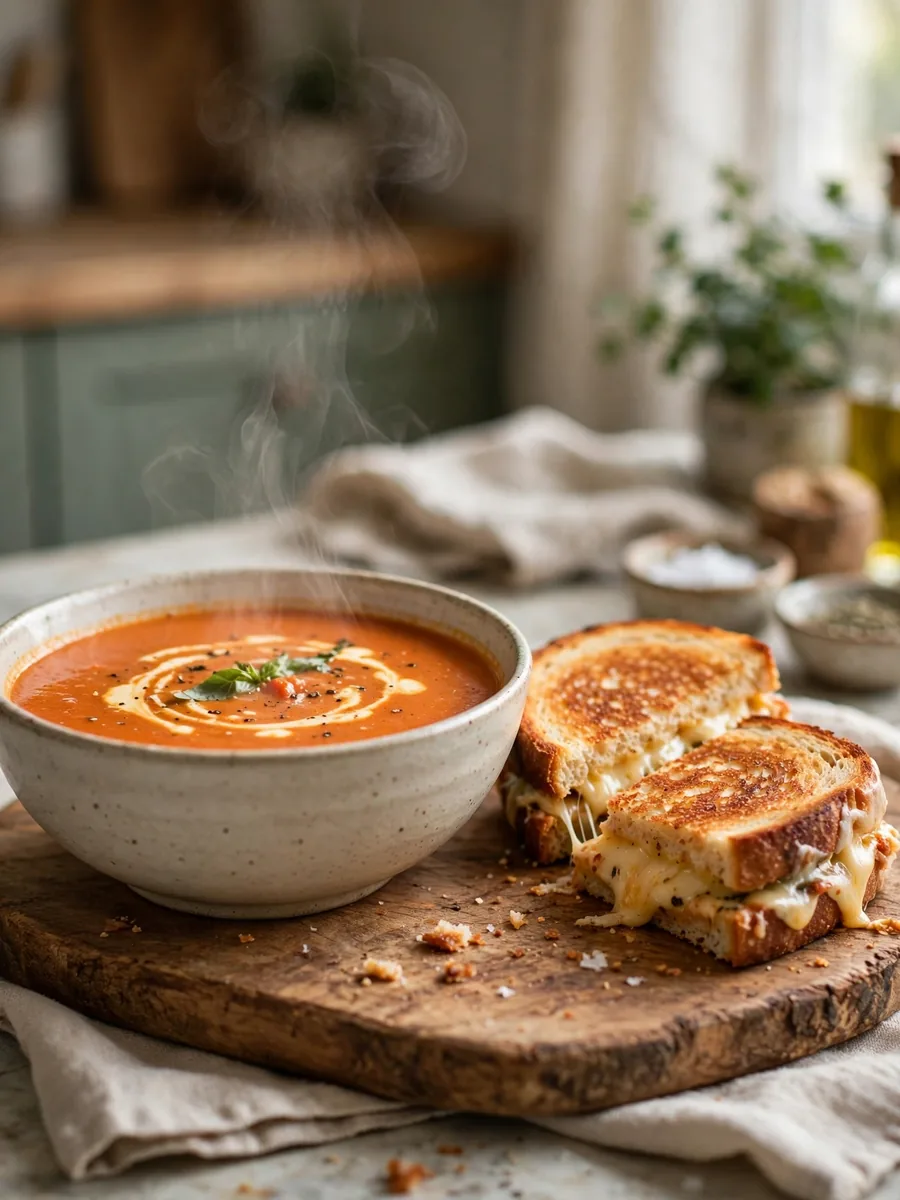
Tomato soup from canned tomatoes is another fast pick. Simmer crushed tomatoes with onion, garlic, and a little cream, then blend until smooth. It pairs with a grilled cheese sandwich, which is why the two show up together on so many comfort lists. A can of good soup, heated and served with buttered toast, is a fair backup on the busiest nights.
Grilled cheese and other sandwiches
A grilled cheese sandwich is comfort food in its simplest form: buttered bread, melted cheese, and a hot pan. Use medium-low heat and give it time, so the bread turns golden while the cheese melts all the way through. Sharp cheddar with a slice of tomato is a good default, and adding a little fontina or gouda makes it melt better.
Other sandwiches work the same way. A meatloaf sandwich on white bread, a tuna melt, or a sloppy joe all deliver the same warm, salty, filling result. Serve any of them with soup, pickles, or potato chips, and the meal feels complete without a side dish that needs cooking.
Slow weekend comfort food
Weekend comfort food is about the cooking as much as the eating. You have time to brown meat, simmer a sauce, and let the oven do the work. These dishes taste better for the wait, and most of them feed a table full of people from one pot or one dish.
Baked pasta and casseroles
Baked pasta is the classic weekend comfort dish. Lasagna, baked ziti, and stuffed shells all follow the same pattern: pasta, sauce, cheese, and a hot oven. Assemble them in the afternoon, bake for 30 to 45 minutes, and rest for 10 minutes before serving so the slices hold together.
Our comfort food casseroles guide covers the same idea in more detail, with a five-part build system and a full chicken and rice casserole recipe. Casseroles are the easiest way to feed a crowd, because one dish holds the protein, the starch, and the vegetables together.
Pot roast, stew, and other low and slow dishes
Pot roast is the dish for a cold Sunday. A chuck roast, carrots, potatoes, and onions go into a Dutch oven with broth, then cook low and slow for about three hours until the meat falls apart. The house smells like dinner all afternoon, which is half the point.
Beef stew works the same way in less time. Brown beef cubes, add onion and garlic, then simmer with potatoes, carrots, tomato paste, and broth for about an hour and a half. Serve it with crusty bread for dipping. A turkey meatloaf with a ketchup glaze is a lighter slow option that still gives the same Sunday dinner feeling, and it slices well for sandwiches the next day.
Comfort food by mood and occasion
The same dish can feel wrong on the wrong day. A heavy casserole suits a cold evening but not a sick stomach, and a light soup will not satisfy a hungry crowd. Pick by the situation first, and the dish follows.
Cold or rainy days
Cold weather calls for food that steams. A pot of beef stew, a bowl of chili, or a baked potato loaded with cheese and sour cream all do the job. The heat matters as much as the flavor, so serve these dishes straight from the pot while they are still steaming.
Chili is a good cold-day default because it scales easily and reheats well. Brown ground beef or turkey, add onion, beans, tomatoes, and chili powder, then simmer for at least 30 minutes. A pot made on Sunday covers lunch for most of the week, and the flavor improves after a night in the fridge.
When you feel sick
Sick-day comfort food is gentler than the rest of this guide. The goal is food that is easy to digest and easy to keep down, not the richest dish on the list. Our comforting soups page has several broth-based options that fit here.
Chicken soup is the classic sick-day pick, and research cited by the University of Maryland Medical System notes that its warmth and steam may help with congestion. Plain rice, toast, bananas, and applesauce are also safe choices, and ginger tea can help with nausea.
For the first day or two after vomiting or diarrhea, skip dairy, fatty foods, spicy food, sweets, caffeine, and alcohol, since they can make nausea worse. If nothing sounds good, small portions of a familiar soup are enough.
Feeding a crowd
A crowd needs food that scales without extra work. A big pot of chili, a tray of baked pasta, or a slow cooker full of pulled pork all feed eight people from one vessel. The trick is to pick a dish that holds well, so you are not cooking in batches while guests wait.
Our hearty comfort dinners include a steak burrito that works as a build-your-own station, with tortillas, rice, beans, and toppings laid out for guests to assemble. For a holiday table, our thanksgiving sides cover mashed potatoes, stuffing, and green bean casserole, which all sit well beside a roast. Cook one main dish, two sides, and a simple dessert, and the meal is done.
Celebrations and holidays
Holiday comfort food is about tradition as much as taste. A roast turkey with stuffing, a glazed ham, or a pot of mashed potatoes with gravy all signal a special day. These dishes take more time, but the occasion justifies it, and the leftovers stretch into sandwiches and soups for days.
Dessert matters more on holidays too. Apple pie, pumpkin pie, and bread pudding are the classic comfort endings, and they can be baked the day before so the main meal gets your full attention. If you are short on time, a store-bought pie with homemade whipped cream still feels like a celebration.
Lighter comfort food options
Comfort food does not have to be heavy. The warmth and familiarity matter more than the butter and cheese, and a few swaps keep the feeling while cutting the richness. A broth-based soup with chicken and vegetables, for example, is just as warming as a cream soup, and it leaves you feeling better afterward.
Roasted vegetables are an easy lighter comfort side. Sweet potatoes, carrots, and Brussels sprouts roast at 400 F until their edges crisp, and a little olive oil and salt is all they need. Serve them beside a smaller portion of the rich main dish, and the plate still feels like comfort food.
Lean proteins help too. A grilled chicken breast with mashed potatoes and gravy gives the same Sunday dinner shape as a pot roast, with less fat. A turkey meatloaf made with lean ground turkey and oats holds together well and slices cleanly. Keep the rich dish on the menu, just serve a smaller portion and fill the rest of the plate with vegetables or salad.
Make-ahead and freezer-friendly comfort food
Comfort food is at its best when it is ready before you need it. Many of the dishes in this guide freeze well, which means one cooking session can cover several hard nights. The rule is simple: freeze the dish before baking, and add toppings on baking day.
Casseroles freeze for up to three months when wrapped tightly. Assemble them unbaked, cover with foil, and thaw overnight in the fridge before baking. Dairy-heavy sauces can split when frozen, so add cream or cheese toppings fresh. Our egg bake follows the same pattern for mornings, and it reheats well for a crowd breakfast.
Soups and stews freeze even better than casseroles. Cool them fully, portion into containers, and leave room for expansion. Rice and pasta go soft in the freezer, so cook them fresh and add them when reheating. Label each container with the dish name and the date, and use the oldest one first.
Single-serving comfort food
Cooking for one does not mean skipping comfort food. The trick is to scale the dish down instead of making a full pan and eating it all week. A single-serving mac and cheese in a small ramekin, one grilled cheese sandwich, or a mug of tomato soup all deliver the same feeling in the right amount.
Many comfort dishes scale down cleanly. Halve a soup recipe and freeze the extra in single portions, or make a full pot and portion it into containers before you serve yourself. A small baked potato with butter, cheese, and sour cream is a complete single-serving comfort meal that takes almost no planning.
Leftovers are the other single-serving strategy. A Sunday pot roast becomes Monday sandwiches, Tuesday soup, and Wednesday hash. Cook once, portion the rest right away, and the comfort lasts all week without another big cooking session.
The featured recipe: Classic baked mac and cheese
Prep time: 20 minutes
Cook time: 35 minutes
Serves: 8 servings, 1 cup each
Why this recipe leads the guide
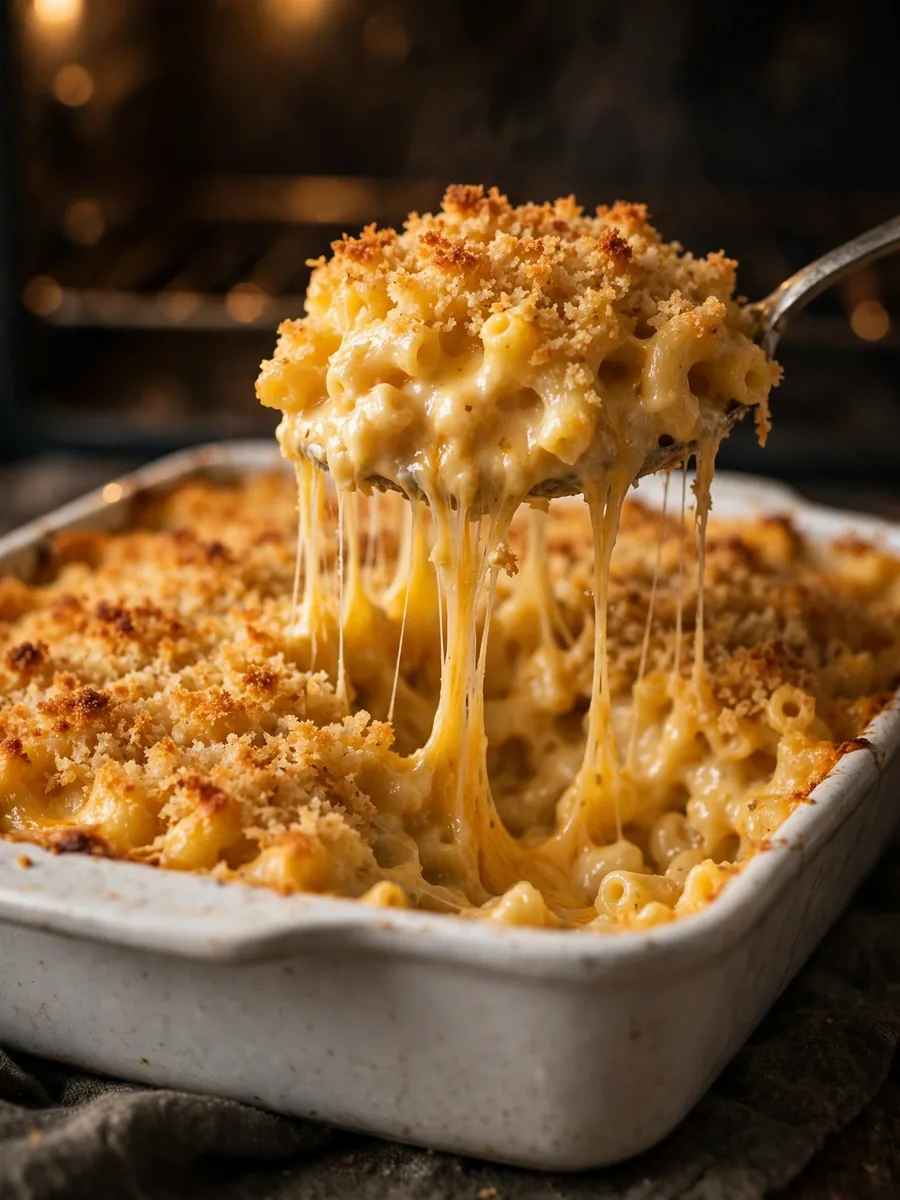
This recipe leads the guide because it is the most requested comfort dish in American home cooking, and it is simple enough to make on a weeknight with a little planning. It uses one pot for the sauce and one dish for baking, and the crumb topping gives it a crunch that stovetop versions miss.
The amounts below come from Taste of Home, where the recipe is credited to Shelby Thompson of Dover, Delaware. Taste of Home publishes 688 calories per 1 cup serving for this exact recipe, so the figure on this page matches the dish you are actually making. The tip on the source page is to use extra-sharp cheddar for more flavor, which is worth following.
Ingredients
- 1 package (16 ounces) uncooked elbow macaroni
- 1/3 cup plus 1/4 cup butter, divided
- 3/4 cup finely chopped onion
- 6 tablespoons all-purpose flour
- 1 teaspoon ground mustard
- 3/4 teaspoon salt
- 1/4 teaspoon pepper
- 4-1/2 cups 2% milk
- 4 cups shredded sharp cheddar cheese
- 3/4 cup dry bread crumbs
Steps
- Preheat the oven to 350 F. Cook the macaroni according to the package directions for al dente, then drain.
- Melt 1/3 cup butter in a Dutch oven over medium heat. Add the onion and cook until tender, about 5 minutes.
- Stir in the flour, ground mustard, salt, and pepper until blended. Gradually stir in the milk. Bring to a boil, stirring constantly, then cook and stir until thickened.
- Stir in the cheddar cheese until melted. Stir in the macaroni until coated.
- Transfer to a greased 13 by 9 inch baking dish and spread in an even layer.
- Melt the remaining 1/4 cup butter and toss with the bread crumbs. Sprinkle over the top.
- Bake uncovered for 30 to 35 minutes, until heated through and the top is golden. Rest 10 minutes before serving.
What to serve with comfort food
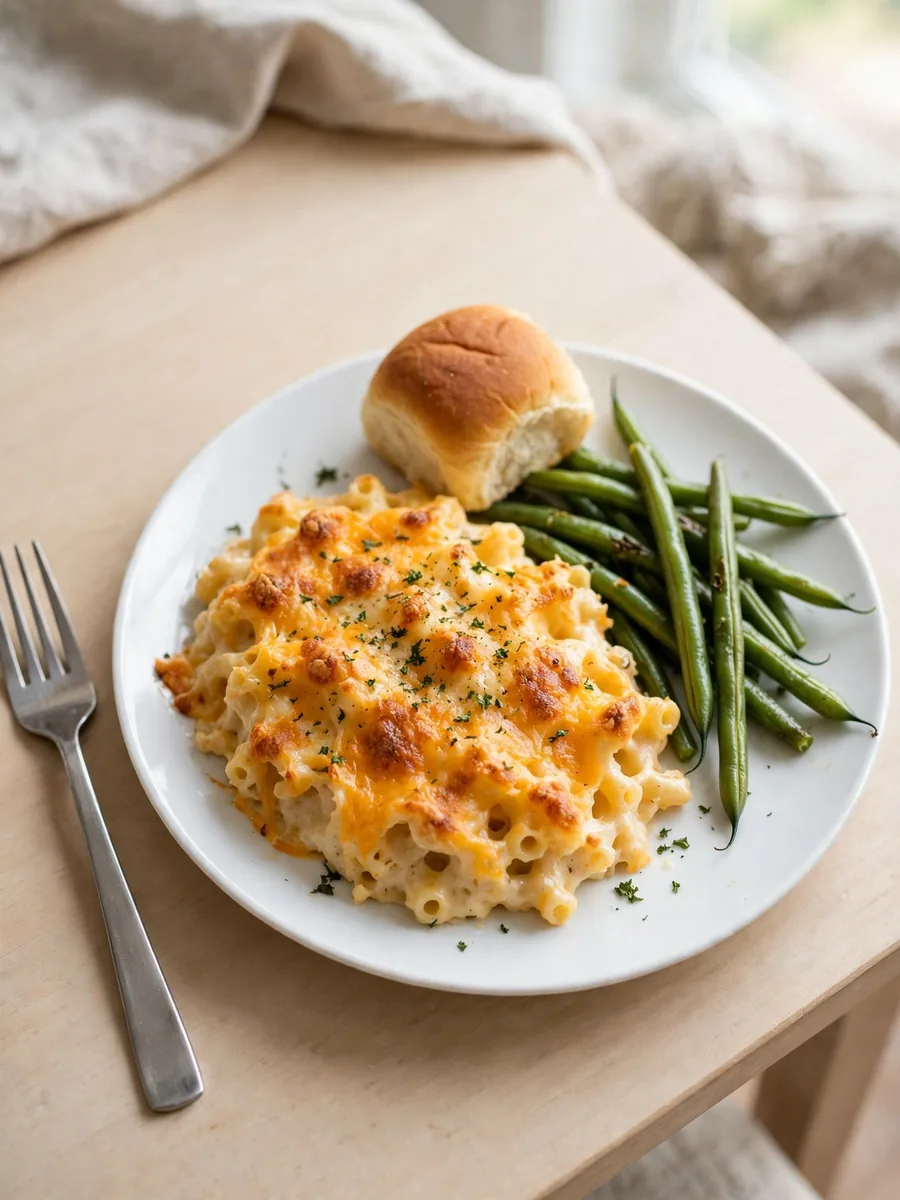
A comfort meal needs a little contrast on the plate. Something fresh or sharp cuts through the richness and keeps the meal from feeling heavy. A simple green salad with a vinaigrette, steamed green beans, or roasted broccoli all do this well.
Bread is the other classic partner. A crusty loaf for dipping into stew, dinner rolls beside a casserole, or garlic bread with baked pasta all work. Keep the bread simple, since the main dish already carries the flavor. For drinks, iced tea, lemonade, or a cold beer suit most comfort dinners, and hot tea or cocoa fit a cold evening.
Storage and reheating
Most comfort dishes keep well, which is part of their appeal. Store leftovers in shallow containers so they cool fast, and refrigerate within two hours of cooking. Most cooked comfort food keeps 3 to 4 days in the fridge.
Reheat covered at 350 F for 20 to 40 minutes, depending on the size of the portion. Add a spoonful of milk or broth to mac and cheese or mashed potatoes before reheating, since they dry out in the fridge. For a single portion, the microwave works fine with a damp paper towel over the plate.
Freeze what you will not eat in four days. Casseroles and soups freeze for up to three months, while fried foods and dishes with a crisp topping freeze poorly. Thaw overnight in the fridge, never on the counter, and reheat until the center is steaming hot.
Frequently asked questions
What comfort food should I eat when sick?
Gentle, easy-to-digest food: broth-based soup, plain rice, toast, bananas, applesauce, baked chicken, and ginger tea. Rich, fatty, or spicy food can make nausea worse. For the first day or two after vomiting or diarrhea, skip dairy, fatty foods, spicy food, sweets, caffeine, and alcohol.
What is a quick comfort food for a weeknight?
One-pot pasta, grilled cheese with tomato soup, or a 30-minute soup. A simple mac and cheese from the pot is ready in about 20 minutes. The baked mac and cheese in this guide takes about 55 minutes, so save it for a night when you have a little more time.
Can comfort food be healthy?
Yes, with a few swaps. Pick broth-based soups instead of cream soups, use lean protein like chicken or turkey, and roast vegetables instead of frying them. Serve a smaller portion of the rich dish with a salad or steamed vegetables beside it, so the plate still feels like comfort food.
How many calories are in baked mac and cheese?
688 calories per 1 cup serving for the Taste of Home recipe used in this guide. Other published baked mac and cheese versions run 621 to 630 calories per cup, so 688 sits in the normal range for a crumb-topped baked version.