 Skip to content


Introduction
A hillbilly fish fry seasonings recipe is a simple cornmeal and spice blend that turns mild fish into a crisp, golden Southern meal. It needs no special equipment and no long marinade.
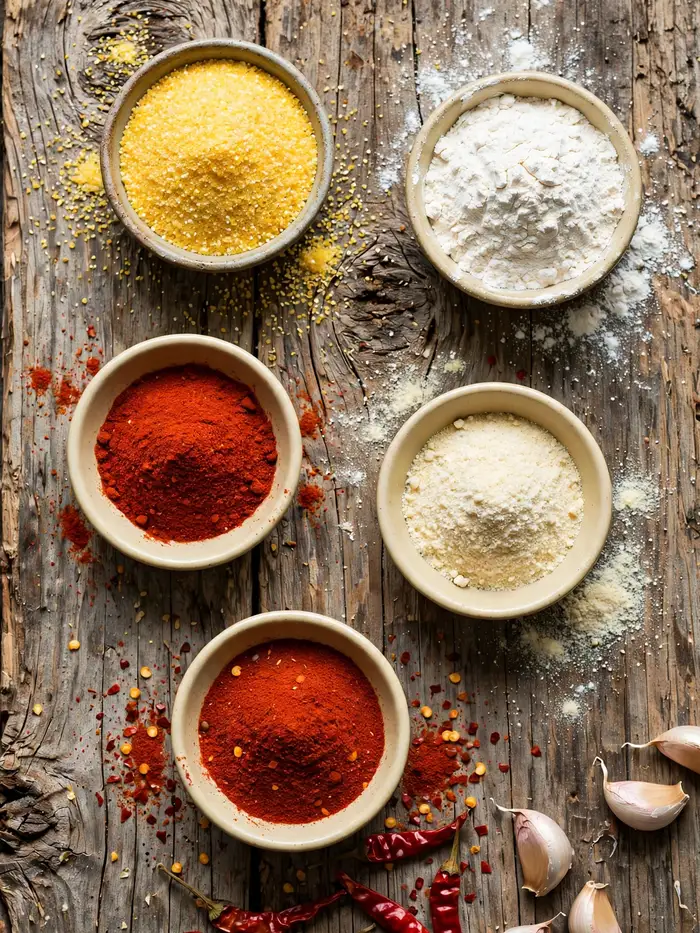
The mix is built on pantry staples. Cornmeal gives the crunch, flour helps the coating cling, and paprika, garlic, onion, and cayenne give it warmth and color.
This guide keeps the original blend and tightens the method. It adds clearer choices for fish, oil, and heat.
You will get one reliable seasoning, six clear steps, and ways to adjust it without losing the crunch.
What Makes a Great Fish Fry Seasoning?
Balance matters more than the number of spices. Too much flour makes a soft coating. Too much cornmeal makes a dry, gritty one.
A 1:1 mix of cornmeal and flour, as used here, gives structure and a light crust. The cornmeal stays crisp, and the flour helps the spices stick to the fish.
Dry fish also matters. Pat each fillet dry before coating. Wet fish steams under the crust and loosens it in the oil.
Season in layers. Salt and pepper season the fish itself, while the dry mix seasons the coating. That way, the flavor reaches past the crust.
Ingredients You Will Need
Prep time: 10 minutes | Cook time: 15 minutes | Serves: 4
These amounts coat about 2 pounds of fish fillets. Double the dry mix if you are cooking for a crowd, and keep the spice ratios the same.
Dry Mix (Base Seasoning Blend)
- 1 cup yellow cornmeal, fine ground for an even crust
- 1 cup all-purpose flour
- 1 tablespoon paprika
- 1 tablespoon garlic powder
- 2 teaspoons onion powder
- 1 and 1/2 teaspoons salt
- 1 teaspoon black pepper
- 1/2 teaspoon cayenne pepper
Wet Batter (Optional)
Use the wet batter when you want a thicker, puffier coating. Use the dry dredge when you want the lightest crunch.
- 1 cup buttermilk or 1 beaten egg mixed with 1/4 cup water
- 2 pounds mild white fish fillets
- Oil for frying, such as peanut, canola, or sunflower oil
- Lemon wedges, for serving
Seasoning Variations
- Smoky: swap regular paprika for smoked paprika.
- Garlic lovers: add 1 extra teaspoon garlic powder and a pinch of chili flakes.
- Lemon pepper: add 1 teaspoon lemon pepper and the zest of half a lemon.
- Cajun style: add 1/2 teaspoon thyme and an extra 1/2 teaspoon cayenne.
- Mild: leave out the cayenne and keep the paprika, garlic, and onion.
If you enjoy making spice blends from scratch, this DIY chile powder uses the same grind, mix, and store approach, and it is a useful second jar for the pantry.
Step by Step Instructions
Work in small batches. Crowding the pan drops the oil temperature, and cool oil makes a greasy crust.
- Prepare the fish: choose firm, mild fillets, cut them into even pieces, pat them dry, and season lightly with salt and pepper.
- Make the seasoning mix: whisk the cornmeal, flour, paprika, garlic powder, onion powder, salt, black pepper, and cayenne in a wide, shallow bowl until the color is even.
- Coat the fish: for a dry dredge, press each fillet into the mix on both sides and shake off the excess. For a wet batter, dip in buttermilk or egg first, then dredge.
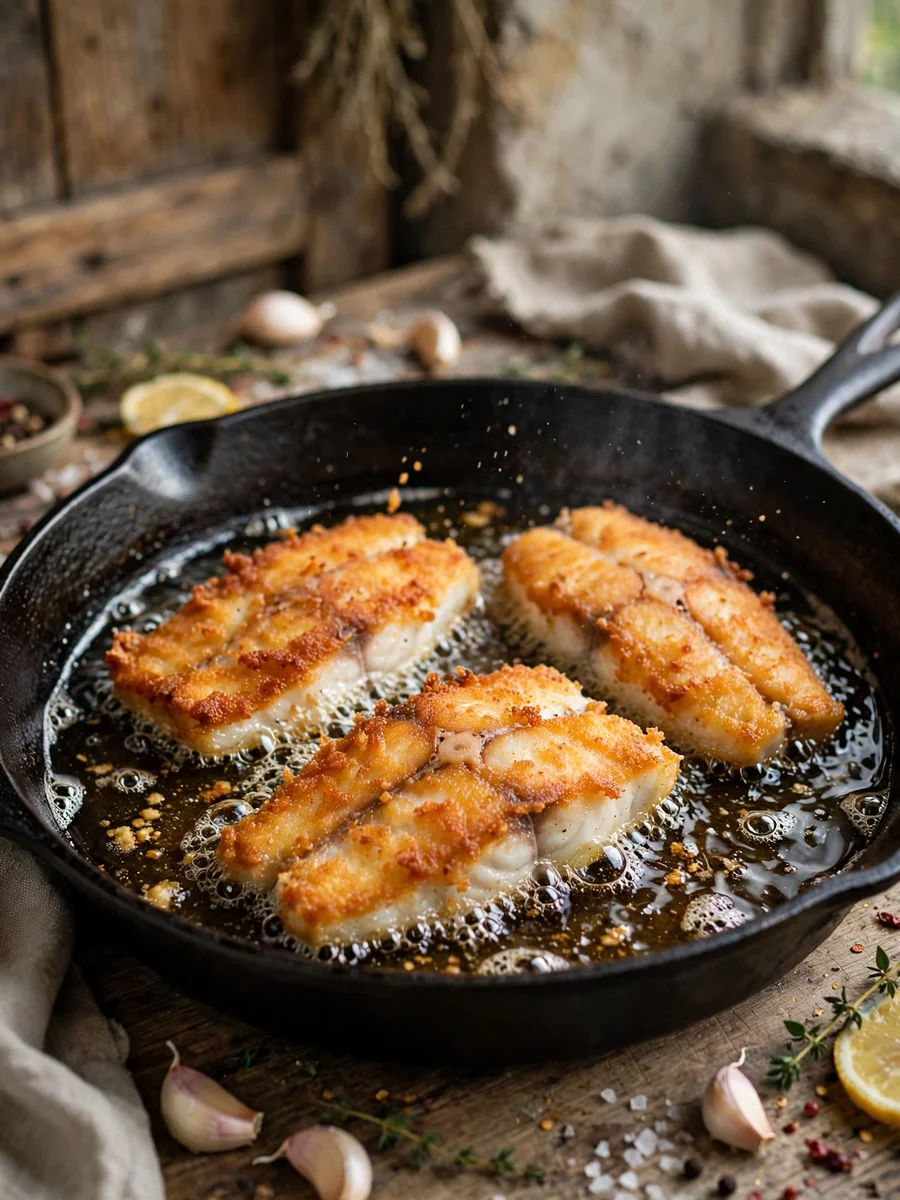
- Heat the oil: pour oil about 1 inch deep into a heavy skillet, heat to 350 to 365 degrees Fahrenheit, and test with a small pinch of coating. It should sizzle at once.
- Fry until golden: fry 3 to 4 minutes per side, depending on thickness, until the crust is deep golden and the fish flakes easily with a fork.
- Drain properly: lift the fish to a wire rack over a tray, not paper towels alone, so steam escapes and the crust stays crisp. Rest 2 minutes before serving.
Best Fish for a Hillbilly Fish Fry
Mild, firm white fish works best. It holds its shape, cooks quickly, and lets the seasoning lead.
| Fish | Why it works |
|---|---|
| Catfish | Meaty and juicy inside, crisp outside, a Southern classic. |
| Cod | Mild with large flakes, fries to an even golden color. |
| Tilapia | Affordable and quick cooking, good for weeknights. |
| Haddock | Slightly sweeter than cod, with a light crust. |
| Perch | Small fillets with a clean, sweet flake. |
| Crappie | Buttery and tender, popular at Southern fish fries. |
For a different way to use fish at home, this fish loaf recipe shows how two fish can work in one baked loaf.
Avoid very oily or very delicate fish for this coating. They can break apart in the oil or overpower the spice mix.
Choosing the Right Oil
Oil choice affects color, flavor, and safety. Pick an oil with a smoke point above your frying temperature, and keep the heat steady.
| Oil | Smoke point (approx.) | Best for |
|---|---|---|
| Peanut oil | 450 degrees Fahrenheit | Traditional Southern fish fries, many batches. |
| Sunflower oil | 440 degrees Fahrenheit | Light, neutral flavor for long fry sessions. |
| Canola oil | 400 degrees Fahrenheit | Affordable small batches. |
| Vegetable oil | 400 degrees Fahrenheit | Everyday frying when other oils are not on hand. |
Do not mix old and fresh oil. Used oil breaks down faster, and a mix can smoke sooner than fresh oil alone.
To reuse oil, let it cool, strain it through cheesecloth, and store it in a sealed glass jar away from heat and light. Discard oil that smells off or feels thick and sticky.
Tips and Common Mistakes
- Do not overcrowd the pan. Fry in small batches to hold the oil temperature.
- Keep the oil between 350 and 370 degrees Fahrenheit for even browning.
- Dry the fish fully. Moisture causes splattering and a loose crust.
- Shake off excess coating. Thick clumps fry unevenly and fall off.
- Do not flip too early. Let the crust set before turning the fillet.
- Do not cover hot fried fish. Trapped steam softens the crust.
- Season the fish, not just the coating. Unseasoned fish tastes flat under spice.
- Use a thermometer when you can. Guesswork is the usual cause of greasy fish.
If your crust falls off, the usual causes are wet fish, a thin coating, or oil that is too cool. Dry the fish, press the coating on firmly, and recheck the heat.
If the crust browns too fast but the fish is raw inside, the oil is too hot or the fillets are too thick. Lower the heat slightly and cut thicker fillets thinner.
The Hillbilly Twist: Make a Seasoning Jar
This blend keeps well, so make a double batch and store the extra. It turns a weeknight fish fry into a ten minute job.
- Mix the dry ingredients and whisk until the color is uniform.
- Store in a clean, dry, airtight jar in a cool pantry.
- Label the jar with the blend name and the date.
- Use within 3 months for the freshest flavor.
- Shake the jar before each use, since fine spices settle.
Gift jars work well too. A small jar, a simple label, and a note with the frying temperature make a useful present for a home cook.
Serving Ideas and Perfect Pairings
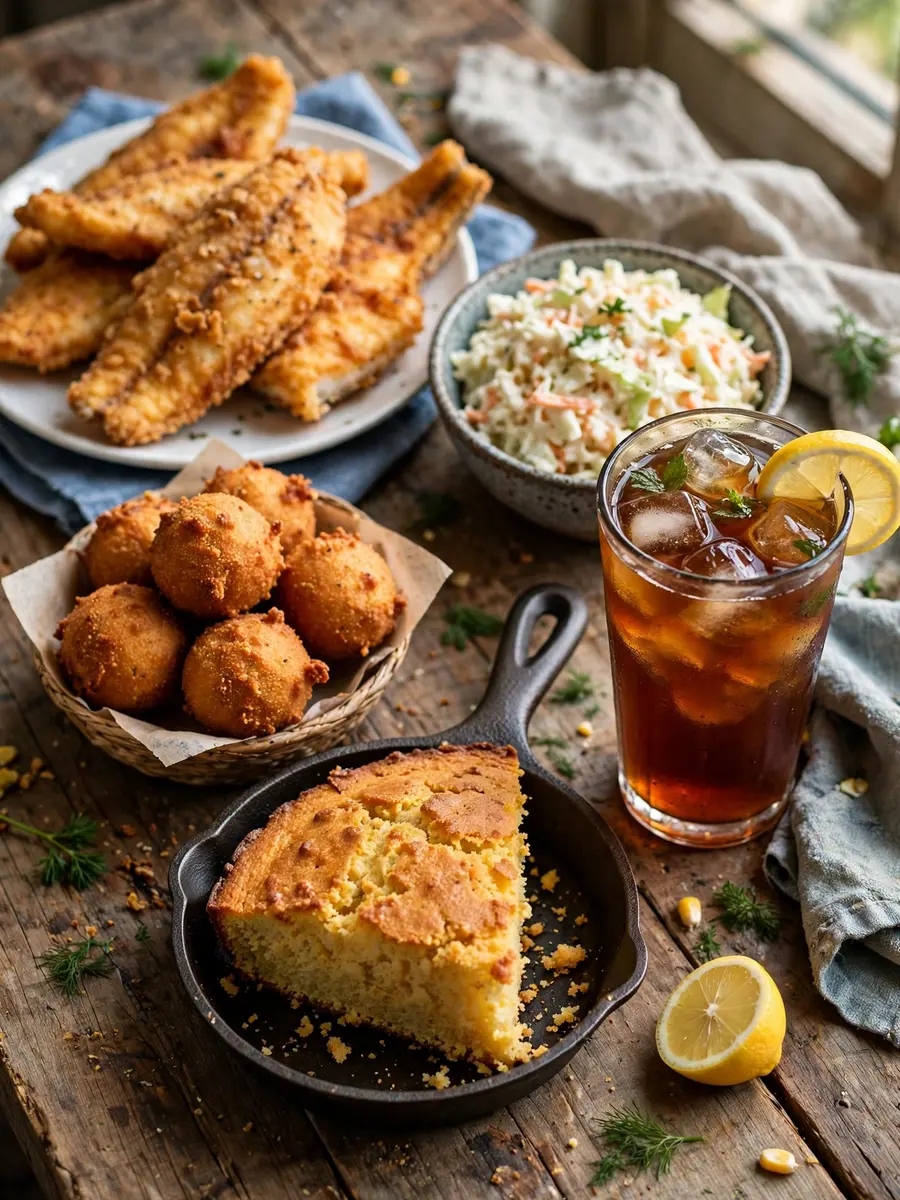
Classic sides keep the meal grounded. Hush puppies, coleslaw, fries, cornbread, pickles, and tartar sauce all suit the crisp, salty fish.
For lighter plates, add a green salad, sliced tomatoes, or lemon wedges. Acid from lemon or vinegar cuts the richness of fried fish.
For drinks, sweet tea, lemonade, or a cold lager style drink pair naturally with a Southern fish fry. Keep the drink simple so the fish stays central.
For an outdoor cookout, these Woodfire grill recipe ideas can round out the menu with grilled sides and mains.
If you cook sides in small batches, these small Dutch oven recipes are a handy match for beans, greens, or a warm side dish.
Nutrition and Dietary Adaptations
Nutrition varies with fish choice, coating thickness, and oil. The figures below are approximate, for one 4 ounce fried fillet with coating.
| Per serving (approx.) | Amount |
|---|---|
| Calories | 310 kcal |
| Protein | 23 g |
| Fat | 14 g |
| Carbohydrates | 22 g |
| Fiber | 1 g |
| Sodium | 280 mg |
For a lighter version, spray coated fillets with oil and air fry at 390 degrees Fahrenheit for 10 to 12 minutes, turning halfway. The crust will be lighter, though less rich than pan fried fish.
For a gluten free version, replace the all-purpose flour with rice flour or a gluten free flour blend. Cornmeal itself is naturally gluten free, but check labels for cross contact if that matters for you.
For a lower sodium version, halve the salt in the mix and season the finished fish with lemon instead. Taste before adding more salt at the table.
The Cultural Story Behind Hillbilly Fish Fry
Fish fries in the rural South grew out of shared catches and shared cooking. Neighbors gathered, fish went straight into hot oil, and the meal was simple by design.
The name points to that Appalachian, home cooked roots story rather than to a restaurant style. The cooking stayed practical: cornmeal on hand, a cast iron skillet, and spices from the pantry.
That history still shapes the recipe. It is a gathering meal first, and a seasoning blend second.
It works best cooked in batches and shared at the table. This tradition comes from the deep cultural origins of Southern fish fries.
Troubleshooting: Getting That Perfect Crunch
- Soggy crust: oil was too cool, the pan was crowded, or the fish was wet.
- Crust falling off: coating was too thick, or the fish was flipped too soon.
- Uneven color: oil temperature swung, or fillets were uneven in size.
- Greasy taste: oil was too cool, or fish sat on paper towels and steamed.
- Burnt spices: oil was too hot, or loose coating burned in the pan.
Fix one variable at a time. Change the heat, the batch size, or the drying step, then fry one test fillet before cooking the rest.
Dry Dredge or Wet Batter: Which to Choose?
Both methods use the same seasoning mix. The difference is texture, not flavor, so pick by the meal you want.
| Method | Result | Best when |
|---|---|---|
| Dry dredge | Light, crisp, craggy crust | You want crunch and a quick fry. |
| Wet batter | Thicker, puffier coating | You want a heartier, restaurant style crust. |
| Double dredge | Extra thick, very crunchy crust | You want maximum crunch for a crowd. |
For a double dredge, coat in the dry mix, dip in buttermilk, then coat again. Shake off excess at each step, or the crust will be heavy.
Let coated fish rest for 5 minutes before frying. The rest helps the coating hydrate and stick, which reduces flaking in the oil.
Storing and Reheating Fried Fish
Fried fish is best fresh, but leftovers can still be good if you store and reheat them with care. Cool the fish on a wire rack first, never in a closed container while hot.
Refrigerate leftovers in an airtight container and use within 2 days. Keep tartar sauce and sides separate, so the crust does not soak up moisture.
To reheat, use an oven or air fryer at 375 degrees Fahrenheit for 8 to 10 minutes, until hot and crisp again. Avoid the microwave, which softens the crust quickly.
Do not refry leftover fish in oil. A second fry adds grease and can burn the already cooked coating.
Make It Your Own
Once the base blend works for you, adjust one spice at a time. That way you learn what each change does, instead of guessing across a whole new mix.
Keep notes on your favorite version: the paprika type, the cayenne level, and whether you used a dry dredge or a wet batter. A short note on the jar saves repeat testing.
Final Thoughts
A good hillbilly fish fry seasoning does not need a long ingredient list. It needs the right cornmeal to flour balance, dry fish, steady oil heat, and a small batch at a time.
Make the jar, fry a test fillet, and adjust the heat to taste. Once the method feels steady, the recipe becomes a reliable part of your Southern cooking.
FAQs
What spices are good to season fish?
Paprika, cayenne pepper, garlic powder, onion powder, thyme, and black pepper are the best seasonings for fish. They all work together to create a balance of heat, smell, and depth. You may also add smoked paprika or lemon zest for brightness to make it more Southern. These spices are the main ingredients of a popular fish fry seasoning recipe from the South.
What is the secret to a good fish fry?
There are three elements that are critical for a successful fish fry: dryness, temperature, and time.
- Before coating, make sure the fish is completely dry. Moisture will spoil the crisp.
- To produce the ideal golden-brown crust, keep your oil at 365°F (185°C).
- Fry in little amounts so the oil remains hot.
Last but not least, choose a seasoning combination that has cornmeal, flour, and strong spices in it. That seasoning combination is the real key to any authentic Southern hillbilly fish fry.
What are the ingredients in Louisiana fish fry seasoning?
In Louisiana, fish fry seasoning usually includes several ingredients. These are yellow cornmeal, flour, paprika, garlic powder, onion powder, black pepper, cayenne pepper, and salt. Some recipes use lemon pepper, dried parsley, or celery salt to give them a Creole flavour. This spicy, tasty mixture creates a thin, crispy coating. It is like what you find at a Louisiana fish fry.
How can I make my fish more flavorful?
If you want your fish to taste better, start with a coating that is well-seasoned and fresh oil. Give the fish a 15–20 minute soak in buttermilk or lemon juice before coating it. This helps the seasoning cling and gives it a little bit of a tang. After frying, add a sprinkling of salt and lemon zest while the food is still hot. What happened? Southern-style fried fish that is crisp, juicy, and full of flavour.


Your blog is a true hidden gem on the internet. Your thoughtful analysis and engaging writing style set you apart from the crowd. Keep up the excellent work!