Skip to content


Why Beef Tongue Deserves a Second Look
Beef tongue looks unusual in the package, and that first look puts many cooks off. Get past it, and you get one of the most tender cuts you can cook at home.
Properly cooked tongue tastes rich and mild, much closer to a tender pot roast than to anything odd or gamey. The Instant Pot makes it practical on a weeknight, cutting a cook that once took hours down to a single pressure cycle.
This recipe gives you two finishes from one cook. Slice it for cold cuts and sandwiches, or shred it for tacos. Both start the same way, and the only real choice is how long you let the pot run.

What You Need: Ingredients and Equipment
Prep time: 40 minutes (includes a 30 minute soak) | Cook time: 90 minutes at high pressure for shredding, 50 minutes for slicing | Serves: 8 | Calories: 284 kcal per serving
Ingredients
- 1 beef tongue, 3 to 4 lb, thawed if frozen
- 1.5 cups beef broth or water
- 1/2 white onion
- 4 garlic cloves, smashed
- 2 bay leaves
- 1 tsp black peppercorns
- 1 tsp salt
- 1 tsp cumin seeds
- 1 tsp dried oregano
- 1 strip orange peel
- For serving: corn tortillas, fresh cilantro, diced white onion, lime wedges, and a little oil for searing
The aromatics above lean Mexican, which suits tacos. For a European style, swap the cumin, oregano, and orange peel for allspice berries, a carrot, and a celery stalk. Either version seasons the meat from the inside out while it cooks.
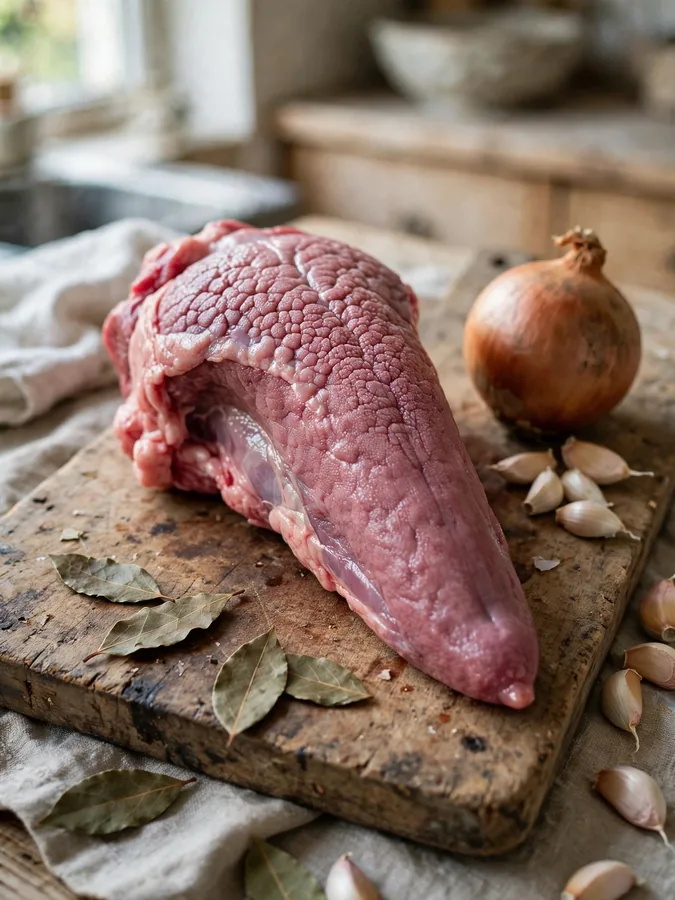
Buy tongue from a butcher counter, an Asian grocery store freezer section, or a trusted online meat supplier. If it is frozen, thaw it in the fridge overnight before you start, so it cooks evenly.
Equipment
You need a 6-quart or larger Instant Pot, a trivet, sturdy tongs, a sharp knife, and a cutting board. The trivet matters. It keeps the meat off the bottom of the pot so it steams instead of scorching.
How to Clean and Prep Beef Tongue
Start by rinsing the tongue under cold water and scrubbing away any loose bits with a clean brush. This takes a minute and makes the rest of the prep feel much simpler.

Next, soak the tongue in a bowl of cold water for 30 minutes. The soak draws out extra blood and leaves a cleaner taste in the finished meat. Change the water once if it looks very cloudy.
Do not peel the tongue yet. The thick outer skin stays on during cooking, protects the meat, and keeps it moist under pressure. Peeling comes later, when the skin slips off easily.
Instant Pot Cooking Times and Settings
Cooking time depends on the texture you want, not on guesswork. Use the table below for a 3 to 4 lb tongue, and test with a fork before you call it done.
| Texture you want | High pressure time | Best for |
|---|---|---|
| Firm, sliceable | 50 minutes | Cold cuts and sandwiches |
| Fall-apart tender | 90 minutes | Shredded tacos |
If your tongue is much smaller than 3 lb, check it at 50 minutes. A fork should slide into the thickest part with little resistance. If it still fights you, cook it for 10 more minutes and test again.

Steps
- Set the trivet in the pot and pour in 1.5 cups of beef broth or water.
- Add the onion, garlic, bay leaves, peppercorns, salt, cumin seeds, oregano, and orange peel.
- Lower the tongue onto the trivet. It does not need to be fully covered, since the steam does the work.
- Lock the lid, set the valve to sealing, and cook on Manual High Pressure for your chosen time.
- When the timer ends, leave the valve alone. Let the pressure release naturally for at least 15 minutes before opening the lid.
- Lift the tongue out with tongs and set it on a cutting board for peeling.
Do not rush the release. Quick releasing the valve can tighten the meat, and patience here is what keeps it soft.
How to Peel Beef Tongue Easily
Peel while the tongue is still warm. Once it cools, the skin grips the meat again and the job gets much harder.
- Make a small slit along the center of the tongue, from tip toward the back, with a sharp knife.
- Grip the thick outer layer with a paper towel or tongs and pull from the tip toward the back.
- If the cook was right, the skin comes off in broad sheets, almost like unzipping a jacket.
- Turn the tongue over and trim away the rough root end and any tough connective tissue, leaving clean, tender meat.
If the skin sticks or tears in small pieces, the meat is undercooked. Put it back in the pot for another 10 minutes under pressure, then try again while it is warm.
3 Ways to Serve Beef Tongue
1. Classic Lengua Tacos
Shred or cube the warm meat into bite-size pieces. Heat a skillet with a little oil and sear the meat until the edges crisp. That crisp edge is what makes a good taco great, and the same idea works in this seasoning for crispy fish, where a simple seasoned finish adds crunch.

Pile the meat onto warm corn tortillas with fresh cilantro, diced white onion, and a squeeze of lime. For a light side, pair the tacos with these fresh, round zucchini recipes.
2. Cold Cuts and Sandwiches
For a deli style finish, chill the whole peeled tongue in the fridge overnight. Slice it paper thin the next day and layer it on rye toast with spicy mustard or horseradish. It costs far less than store bought deli meat and tastes fresher.
3. Sliced Dinner Entree
Slice the warm tongue into thick steaks and spoon a mushroom or Madeira sauce over the top. The earthy sauce suits the mild meat, and the plate feels like a proper sit-down dinner.
Tongue is one of the most approachable organ meats to start with. If you enjoy it and want to try another cut, these beef liver recipes are a good next step. And if rich, heavy dishes sometimes bother you, these GERD friendly Instant Pot meals offer gentler options cooked the same way.
Do Not Throw Away the Cooking Liquid
Do not pour the pot liquid down the sink. That broth is full of gelatin from the connective tissue, and it makes a rich base for soups and sauces.

Strain it through a fine mesh sieve and use it right away, or chill it for later. It works well as the base for a thick French onion soup, a hearty Goya split pea soup, or this quinoa soup with mushrooms. You can also sip it plain with a pinch of salt.
Common Mistakes to Avoid
Peeling before cooking is the most common error. The skin protects the meat in the pot, so leave it on until the cook is done. Peeling cold is the second one, since the skin grips again as it cools.
Two more mistakes are easy to avoid. Do not quick release the pressure, or the meat can tighten up. When you crisp the meat for tacos, do not crowd the skillet, or it steams instead of browning. Work in batches if you need to.
Finally, slice across the grain, not along it. Cutting across the muscle fibers keeps each slice tender to bite, while cutting with the grain leaves long, chewy strands.
Storage and Freezing Tips
Store leftovers in an airtight container in the fridge for 3 to 4 days. Keep a little cooking broth with the meat so it stays moist when you reheat it.
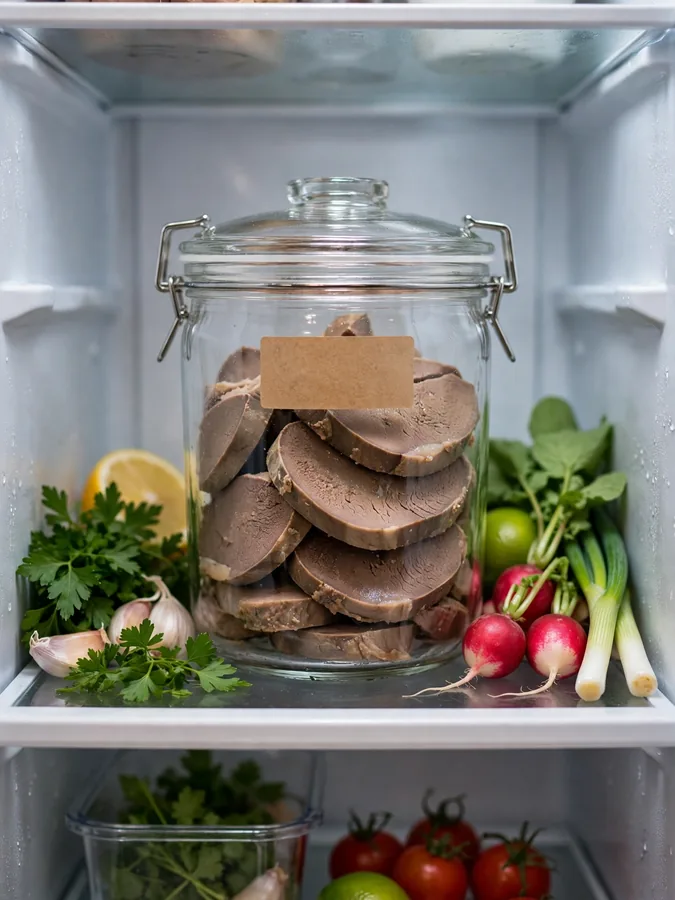
For the freezer, freeze the tongue whole after peeling if you can, since that holds moisture best. If it is already shredded, pack it in a freezer bag with a splash of its own broth, press out the air, and label the bag with the date. Reheat gently in a covered skillet with a splash of broth.
Conclusion
The Instant Pot turns a cut many cooks avoid into a soft, rich dinner with very little hands-on work. Pick your texture, give it a full natural release, and peel while it is warm.
If you are curious about the nutrition side of organ meats, read more about why organ meats are considered a superfood.
Try the 90 minute version for your next taco night, and finish with this easy 2-banana bread recipe for dessert.
FAQs
How long does a beef tongue take to cook per pound?
A common guideline for pressure cooking beef tongue is around 15 to 20 minutes per pound. However, the tongue is a thick muscle with strong connective tissue. Most recipes require cooking it for 50 to 60 minutes. This is for an average 3 to 4 kg tongue to ensure it becomes very soft.
Is beef tongue healthier than steak?
Yes, in terms of micronutrients. Beef tongue is an organ meat that is much richer in Vitamin B12, Zinc, Iron, and Choline compared to muscle meats like steak. However, it has more calories and fat. This makes it a high-energy dish. It is great for Keto and Paleo diets, but not the best choice for low-fat diets.
What is the best way to eat beef tongue?
The two most common ways to consume beef tongue are:
- Tacos de Lengua: The beef is shredded, crisped in a skillet, and served on corn tortillas with cilantro and onion.
- Tongue Sandwiches: The flesh is cut thin and served cold or warm over rye toast with mustard or horseradish.
How to pressure can beef tongue?
To pressure can beef tongue safely, follow these procedures using a pressure canner (not an Instant Pot):
- Prep: Par-cook, peel, and chop the tongue into bits.
- Pack: Place meat in heated jars and top with boiling broth, allowing 1-inch headroom.
- Process: Process at 10 lbs pressure (weighted gauge) or 11 lbs (dial gauge).
- Time: Cook 75 minutes for pints or 90 minutes for quarts.
How long does it take for beef to get tender in a pressure cooker?
Beef tongue takes a minimum of 45 to 60 minutes under high pressure to break down its thick connective tissue and collagen. If cooked for a shorter time, the texture will stay rubbery. For "melt-in-your-mouth" results, cooking for up to 90 minutes is advised.
Do you peel beef tongue before or after cooking?
You should always peel beef tongue after cooking. The thick outer skin is bonded to the muscle when raw and is exceedingly difficult to remove. After pressure cooking, the heat loosens the skin, enabling you to peel it off easily by hand while the meat is still warm.
Why is my beef tongue chewy?
If your beef tongue is chewy or rubbery, it is likely undercooked. The tongue is a strong muscle full of collagen. If it hasn't cooked long enough, the collagen won't break down into gelatin. This means the tongue will stay tough. Return it to the pressure cooker for another 15–20 minutes.
What are common tongue cleaning mistakes?
Common errors while cooking beef tongue include:
- Not Soaking: Failing to soak the raw tongue in cold water might leave a harsh, gamey flavor.
- Peeling Cold: Letting the tongue cool fully helps the skin adhere to the flesh; always peel it when warm.
- Cutting Too Soon: Slicing the meat before it rests might cause the fluids to leak out, drying it out.
What are the disadvantages of beef tongue?
While healthful, beef tongue has a few downsides:
- High Fat Content: It includes more saturated fat than lean beef cuts.
- Prep Time: It takes soaking, extended simmering, and peeling.
- Texture/Appearance: The visible taste buds and soft texture might be unpleasant to finicky eaters.