Introduction: Why You Should Stop Fearing the Tongue
Let’s be honest right now. You may hesitate to prepare Instant Pot beef tongue since it looks just like a gigantic tongue. But if you go beyond that emotion, you gain a big reward.
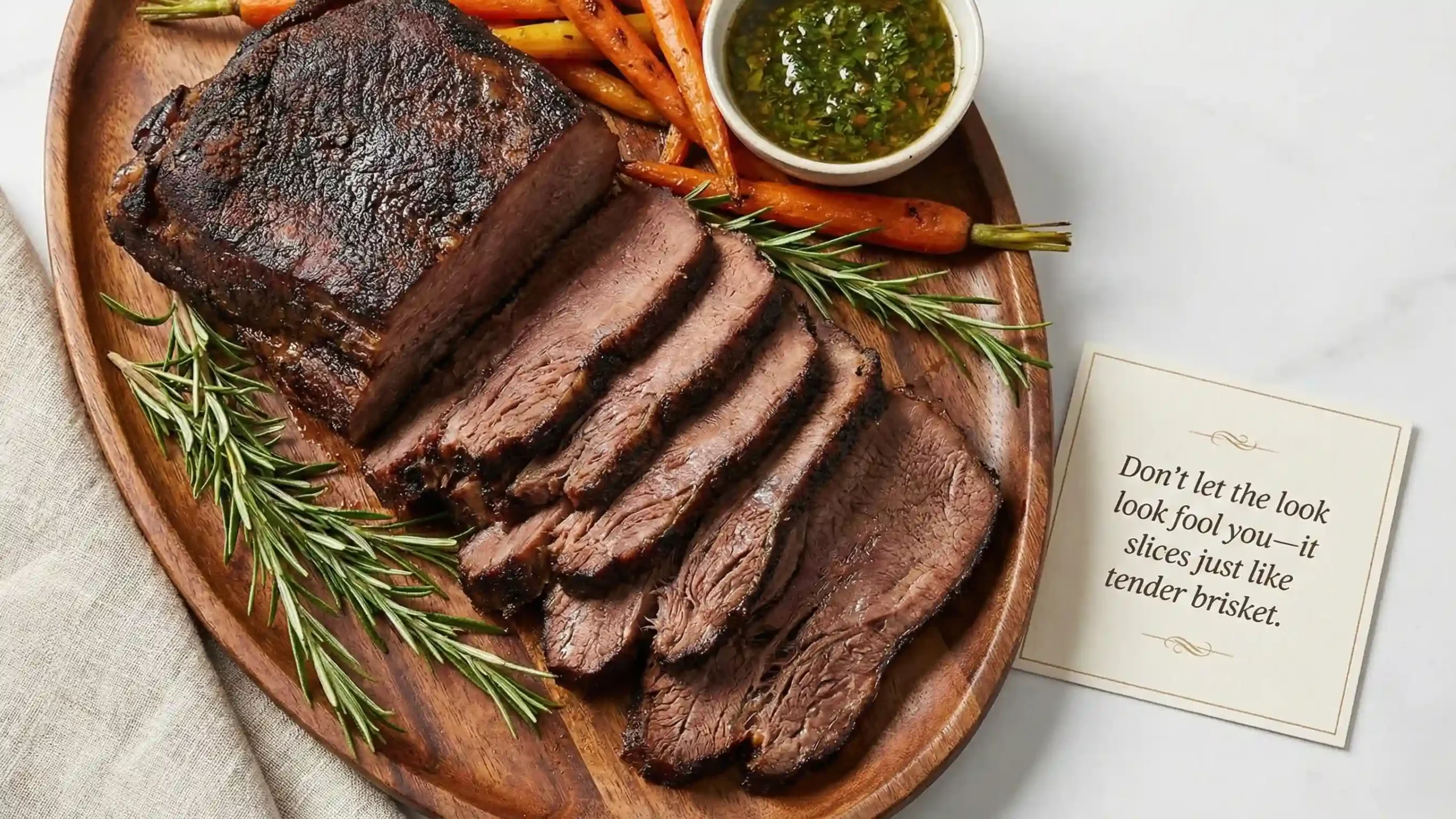
This underrated cut tastes just like the most tender pot roast. It’s not gamey or odd. It’s rich, velvety, and immensely fulfilling.
Nose-to-tail eating is a better method of intake of protein. By selecting Grass-fed beef, you support sustainable meat practices. This is ethical dining at its best.
You also receive large quantities of Zinc, Iron, and Vitamin B12 in every meal.
Traditional braising techniques compel you to cook meat for hours. The Instant Pot (Pro) addresses that issue instantly. It cuts cooking time by half.
This converts a slow-cooked delicacy into a quick weekday dish. You get all the taste without monitoring a pot all afternoon.
What You Need (Ingredients & Equipment)
Finding a cow tongue is simpler than you think. You may get high-quality meat online from reliable providers like Seven Sons Farms. Local Asian stores or your local butcher frequently have them in the freezer area.
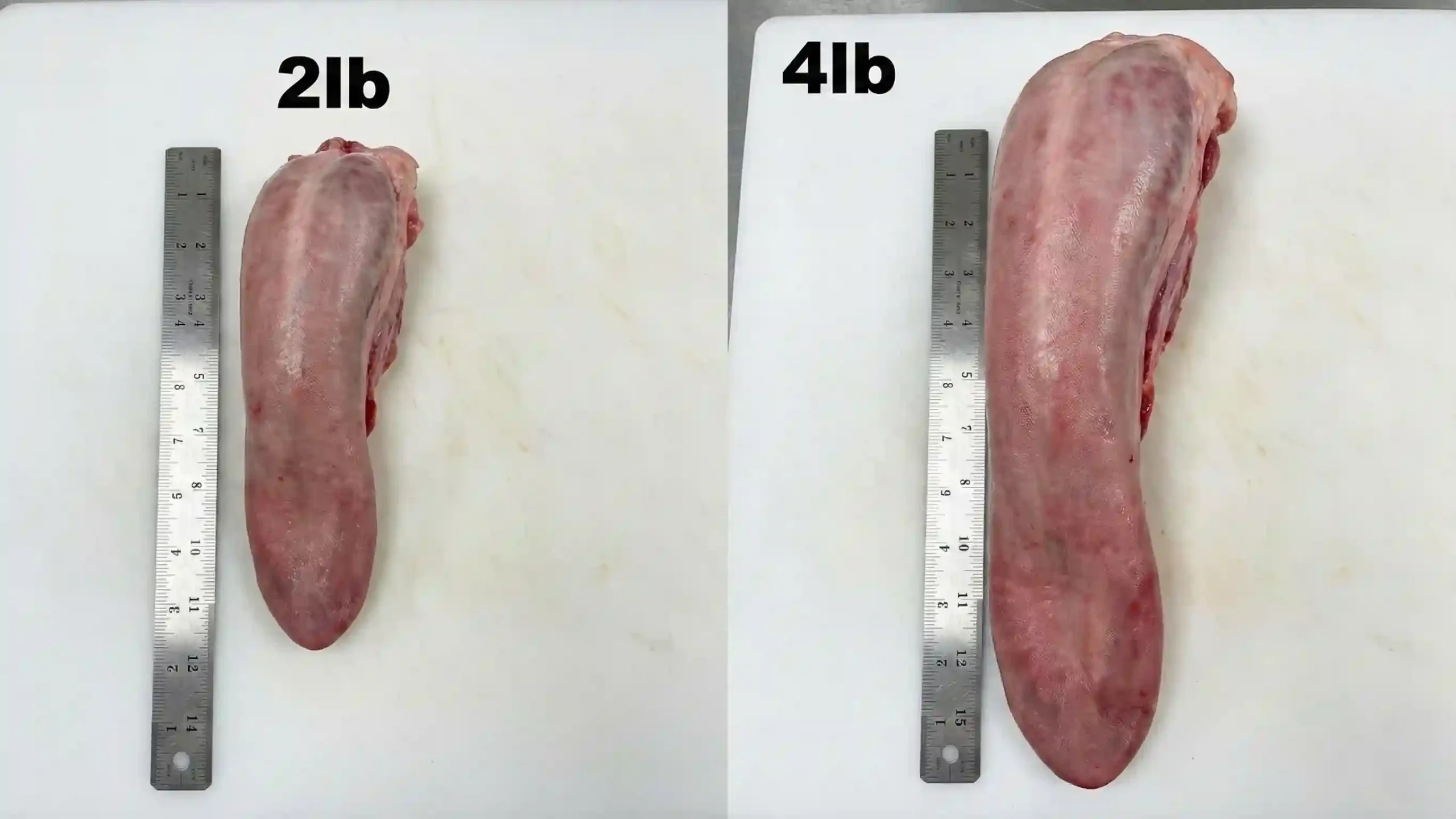
Pay attention to the size you purchase. A little 2lb tongue cooks quickly and serves a family of four. A huge 4lb cut is great for meal planning or large parties.
The Flavor Foundation
You need powerful aromatics to flavor the meat from the inside out. Start with the necessary Broth ingredients: a half Onion, crushed Garlic cloves, Bay leaves, and black Peppercorns.
Customize the pot based on your final dish.
- Mexican Style: Add cumin seeds, Fresh herbs like oregano, and a strip of orange peel.
- European Style: Toss in allspice berries, carrots, and celery stalks.
Essential Gear
The equipment list is brief. You clearly need your Pressure cooker (6-quart or greater works best). A Trivet is necessary to protect the meat from burning on the bottom.
Finally, get a set of robust metal tongs. You will need these to lift the hefty, steaming meat safely.
Preparation: How to Clean and Prep Beef Tongue
Let’s tackle the prep swiftly. If you are uneasy, then follow these procedures to handle the Raw beef tongue without worry.
First, rinse the meat under cold water. Use a clean brush to scrub away any saliva or particles.
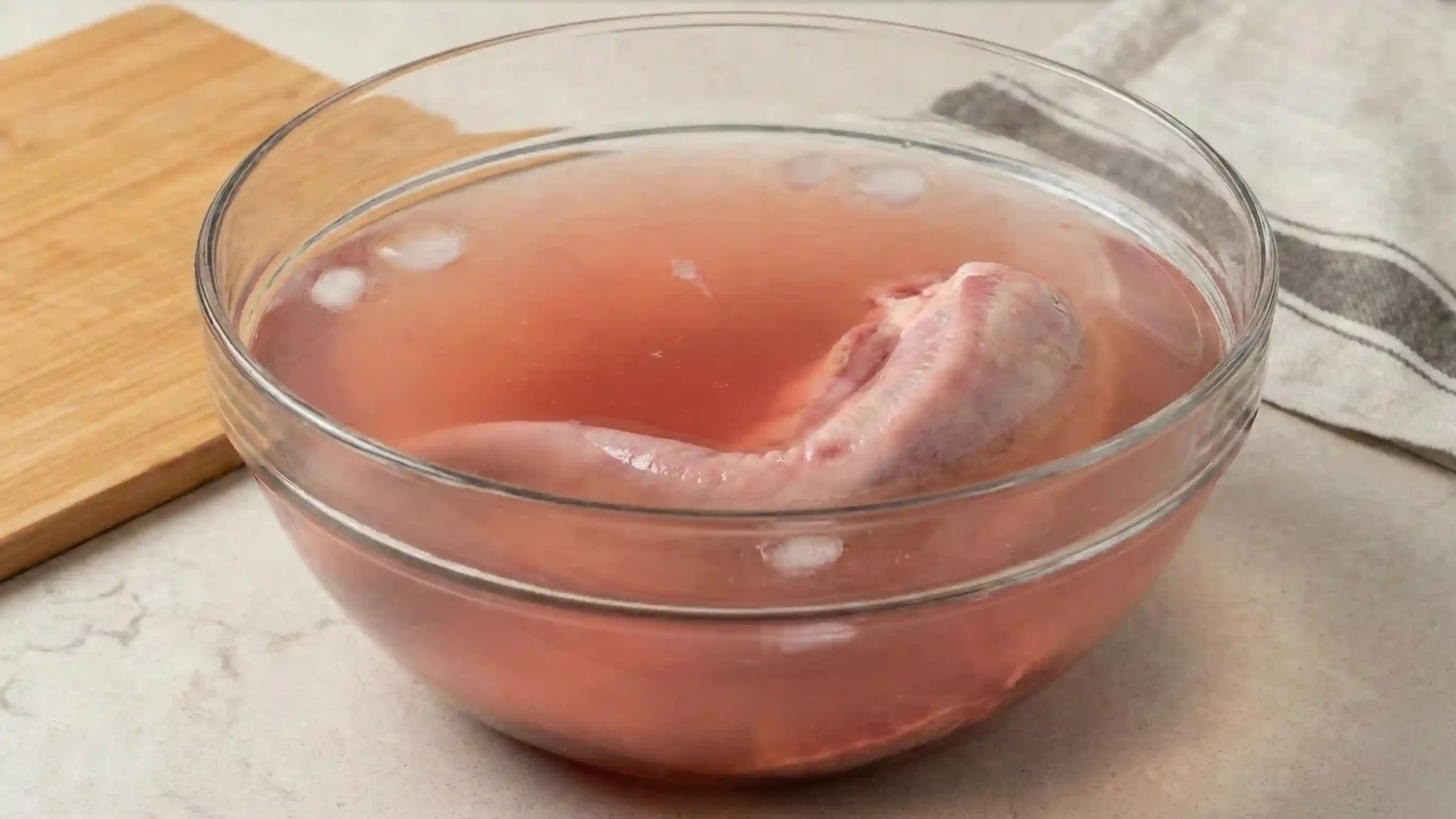
Here is the key most recipes neglect while showing you how to clean beef tongue. Submerge the meat in a dish of cold water.
Soak it for 30 minutes. This pulls out extra blood and contaminants, resulting in a considerably cleaner taste.
Finally, do not attempt to peel it yet. You need to maintain the Tough skin and Taste buds intact for now.
You just peel after you Prep tongue for cooking and pressure cook it. The skin protects the meat and keeps it moist throughout the high-heat procedure.
Cooking Times & Settings: The Texture Guide
Most recipes fail you here. Competitors guess at the Cooking time for beef tongue, leaving you with tough rubber or mush.
The time varies largely depending on the texture you select. Use this tutorial to get it correctly.

The Texture Chart
- For Cold Cuts & Slicing: Cook for 50 minutes at High Pressure.
- Result: The meat remains firm yet soft. It keeps its form well for sandwiches.
- For Tacos & Shredding: Cook for 90 minutes at High Pressure.
- Result: The meat becomes fall-apart tender. It shreds easily with a fork.
Instructions
- Place your Trivet within the pot. Add 1.5 cups of water or broth to the bottom.
- Lower the meat onto the trivet. You don’t need to entirely immerse it, but the liquid provides the required steam.
- Lock the lid and pick your Instant Pot settings. Select Manual High Pressure for your desired time.
- When the timer whistles, do not touch the valve. You must let it perform a Natural release (NPR) for at least 15 minutes.
- If you flip the valve too early, the meat tightens up. Patience pays off here.
The “Peel”: How to Remove the Skin Easily
This is the moment of truth. Follow the golden rule, and peeling beef tongue is immensely pleasant.
The golden rule is simple: You must peel it while it is still warm. If you let it get cold, the skin glues back onto the flesh.
Step-by-Step Peeling Guide
- First, use your tongs to lift the tongue onto a chopping board. Take a knife and create a small incision directly along the middle from tip to back.
- Now, grasp that thick White outer layer using a paper towel or your tongs. Pull hard from the tip toward the rear.
- If you cooked it right, it unzips exactly like a jacket. It should fall off in broad, easy sheets to remove tongue skin.
Troubleshooting & Trimming
If the skin sticks or rips constantly, the meat is undercooked. Don’t fight it; simply put it back in the pot for another 10 minutes under pressure.
Once you remove the skin, turn the tongue over. Use a sharp knife to slice away the rough area and the weathered Connective tissue at the root. You just want the pure, tender, muscular flesh left.
3 Delicious Ways to Serve Your Beef Tongue
You have nicely cooked beef. Now you need to determine how to consume it. Here are three diverse techniques to improve your dinner.
1. Classic Lengua Tacos (Mexican Style)
This is the most common method to enjoy this cut. Shred or cube the heated meat into bite-sized chunks.

Heat a skillet with a little fat or oil. Sear the meat till you get Crispy beef edges that crunch when you bite.
Pile it high onto warm Corn tortillas. Top with fresh cilantro, sliced onions, and a squeeze of lime for real Lengua tacos. For a light side dish, pair them with these fresh, round zucchini recipes.
2. Cold Cuts & Sandwiches (Deli Style)
If you want a refined meal, try the European way. Let the entire peeled tongue freeze in the fridge overnight.
Slice it paper-thin the following day. It makes for a fantastic Deli meat replacement that costs a fraction of the price.
Layer it on rye toast with spicy mustard or Horseradish. It’s the ideal protein-packed Cold appetizer or Tongue sandwich.
3. With a Rich Sauce (Dinner Entrée)
Turn this into a gourmet sit-down supper. Slice the heated tongue into thick steaks.
Pour a thick Mushroom or Madeira sauce over the top. The earthy tastes combine wonderfully with the mild meat.
This provides an exquisite Keto dinner. It feels high-end, like Beef tongue with mushroom sauce you might have at a French cafe.
Don’t Waste the Liquid! (Zero-Waste Bonus)
Stop! Do not put the liquid down the sink. That “waste” water is really liquid gold.

The residual liquid is a very delicious Beef Tongue Bone Broth. Because the tongue works so hard, the connective tissues melt down into pure Gelatin.
This makes a collagen-rich soup foundation that money can’t buy. It is wonderful for Gut health and provides tremendous benefits to sauces.
Simply strain the liquid through a fine-mesh sieve. Use it immediately as a foundation for a thick French Onion soup or a hearty Goya split pea soup.
You may also drink this Bone broth plain with a pinch of salt. It’s nutritious, free, and tasty.
Storage and Freezing Tips
You likely prepared a huge chunk, so you need a strategy for leftovers. Proper preservation keeps the meat juicy for days.
Fridge Storage
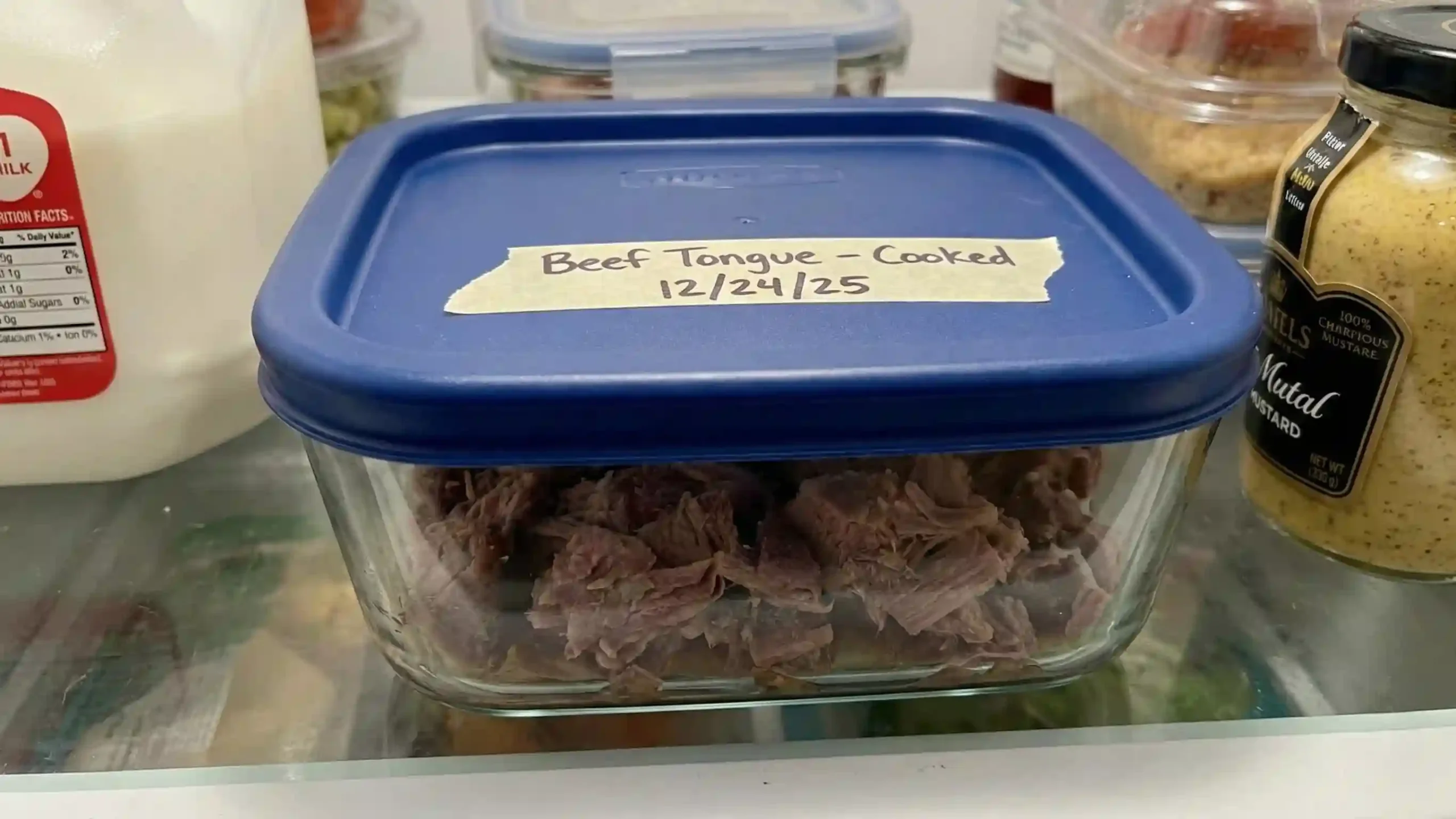
Store any leftovers in an airtight jar in the refrigerator. It remains fresh for 3 to 4 days.
Freezer Strategy
You can simply freeze cooked beef tongue for later. This is one of the greatest Meal prep ideas for high-protein diets.
- Whole Tongue: If feasible, freeze the tongue intact after peeling but before slicing. This keeps the moisture contained within the meat fibers.
- Shredded Meat: If you previously shredded it, store the meat in a freezer bag. Add a dash of its own broth before sealing. This easy method eliminates freezer burn and keeps it soft when warmed.
Conclusion
The Instant Pot changes everything about cooking unusual slices. It converts a rough, frightening piece of meat into a buttery, soft supper with little stress.
You don’t need to be a skilled chef to do this correctly. You only need patience and the right moment. If you are curious about the health benefits of this dish, you can read more about why organ meats are considered a superfood.
Ready to wow your family? Try the 90-minute strategy for your next Taco Tuesday! And for a sweet finish, try this easy 2-banana bread recipe for dessert.”
FAQ’s
How long does a beef tongue take to cook per pound?
A common guideline for pressure cooking beef tongue is around 15 to 20 minutes per pound. However, the tongue is a thick muscle with strong connective tissue. Most recipes require cooking it for 50 to 60 minutes. This is for an average 3 to 4 kg tongue to ensure it becomes very soft.
Is beef tongue healthier than steak?
Yes, in terms of micronutrients. Beef tongue is an organ meat that is much richer in Vitamin B12, Zinc, Iron, and Choline compared to muscle meats like steak. However, it has more calories and fat. This makes it a high-energy dish. It is great for Keto and Paleo diets, but not the best choice for low-fat diets.
What is the best way to eat beef tongue?
The two most common ways to consume beef tongue are:
- Tacos de Lengua: The beef is shredded, crisped in a skillet, and served on corn tortillas with cilantro and onion.
- Tongue Sandwiches: The flesh is cut thin and served cold or warm over rye toast with mustard or horseradish.
How to pressure can beef tongue?
To pressure can beef tongue safely, follow these procedures using a pressure canner (not an Instant Pot):
- Prep: Par-cook, peel, and chop the tongue into bits.
- Pack: Place meat in heated jars and top with boiling broth, allowing 1-inch headroom.
- Process: Process at 10 lbs pressure (weighted gauge) or 11 lbs (dial gauge).
- Time: Cook 75 minutes for pints or 90 minutes for quarts.
How long does it take for beef to get tender in a pressure cooker?
Beef tongue takes a minimum of 45 to 60 minutes under high pressure to break down its thick connective tissue and collagen. If cooked for a shorter time, the texture will stay rubbery. For "melt-in-your-mouth" results, cooking for up to 90 minutes is advised.
Do you peel beef tongue before or after cooking?
You should always peel beef tongue after cooking. The thick outer skin is bonded to the muscle when raw and is exceedingly difficult to remove. After pressure cooking, the heat loosens the skin, enabling you to peel it off easily by hand while the meat is still warm.
Why is my beef tongue chewy?
If your beef tongue is chewy or rubbery, it is likely undercooked. The tongue is a strong muscle full of collagen. If it hasn't cooked long enough, the collagen won't break down into gelatin. This means the tongue will stay tough. Return it to the pressure cooker for another 15–20 minutes.
What are common tongue cleaning mistakes?
Common errors while cooking beef tongue include:
- Not Soaking: Failing to soak the raw tongue in cold water might leave a harsh, gamey flavor.
- Peeling Cold: Letting the tongue cool fully helps the skin adhere to the flesh; always peel it when warm.
- Cutting Too Soon: Slicing the meat before it rests might cause the fluids to leak out, drying it out.
What are the disadvantages of beef tongue?
While healthful, beef tongue has a few downsides:
- High Fat Content: It includes more saturated fat than lean beef cuts.
- Prep Time: It takes soaking, extended simmering, and peeling.
- Texture/Appearance: The visible taste buds and soft texture might be unpleasant to finicky eaters.