
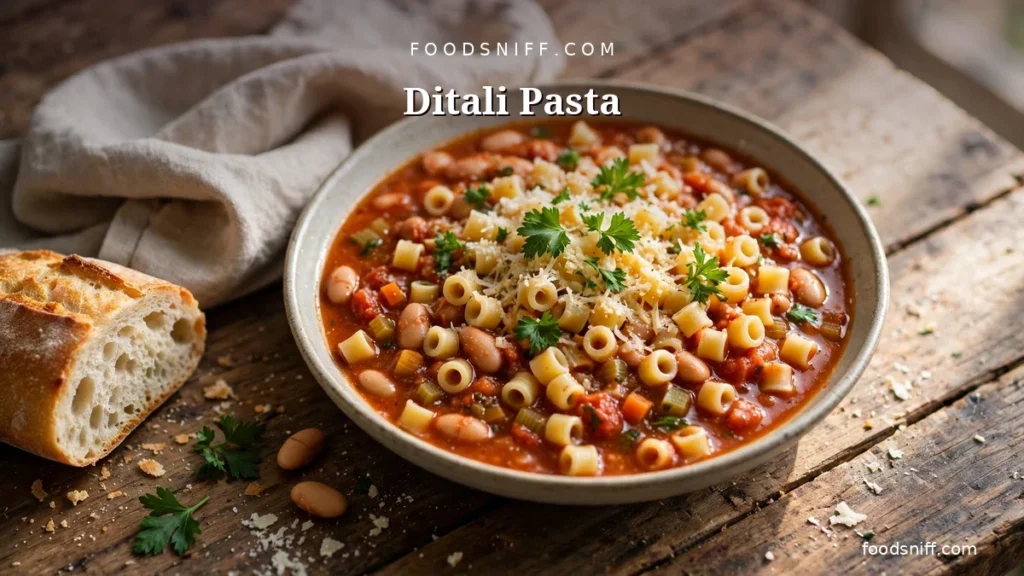
Ditali pasta is a small, tube-shaped Italian pasta, about the size of a thimble, made from durum wheat semolina. It cooks in 8 to 10 minutes and shines in soups like pasta e fagioli, where its hollow center traps beans and broth. Below: what it is, how it differs from ditalini, and a classic bean recipe.
Look for ditali and you will probably find ditalini instead. The boxes look alike, the names differ by two letters, and most recipes online use the two words as if they mean the same thing. They do not. Ditali is the bigger tube, ditalini the smaller one, and the size changes how each one cooks and which dishes it suits.
This guide sorts it out. You get a clear definition, the size difference that actually matters, a cooking method that keeps the pasta firm, and a full recipe for pasta e fagioli, the bean soup this shape was made for. Everything here comes from checked sources, and the nutrition figure is added up from USDA values, not copied from another site.
What Is Ditali Pasta?
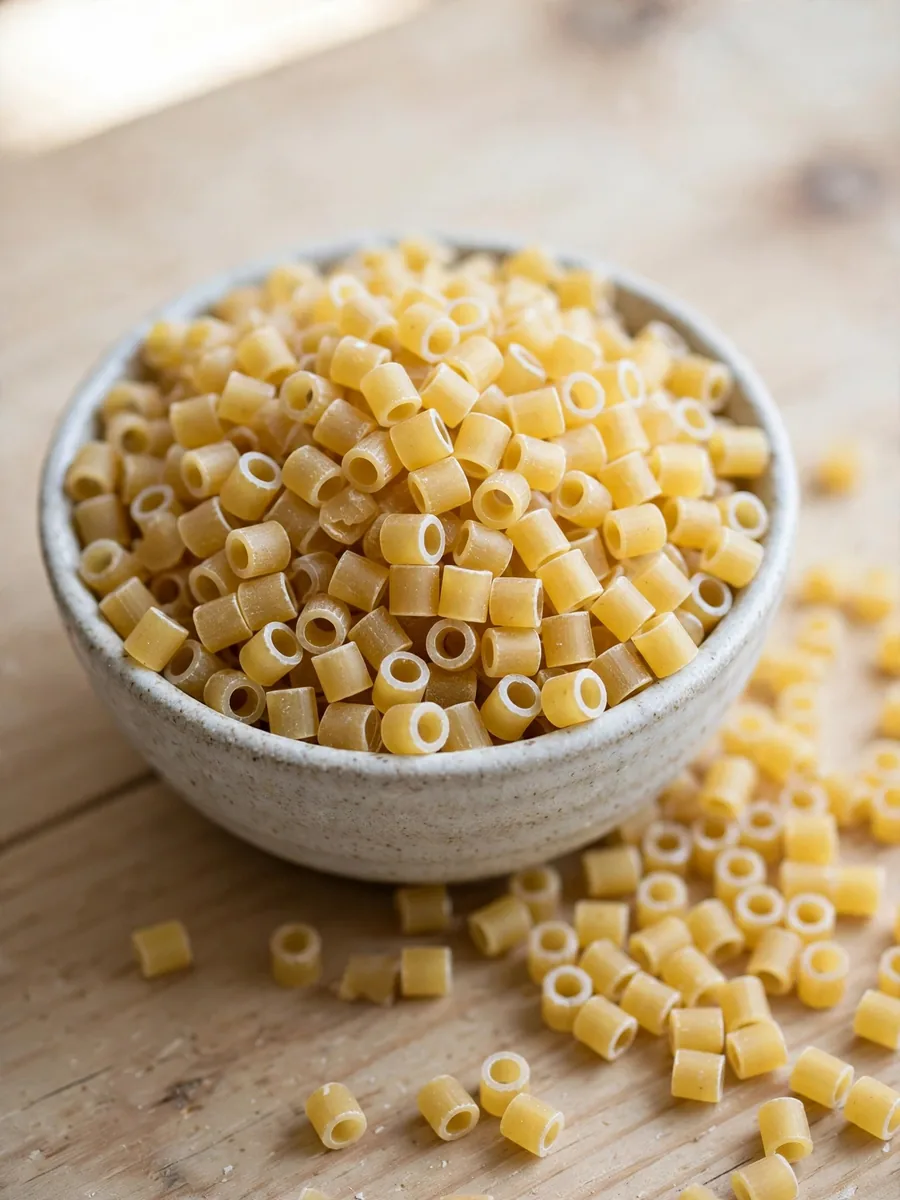
Ditali are short, straight tubes of durum wheat pasta. The name comes from the Italian word ditale, which means thimble.
The shape earns it, because each piece is about the size of a fingertip, hollow in the middle, with smooth sides, and that hollow center is the whole point. It catches broth, small bits of bean, and diced vegetables, so every spoonful carries sauce with it.
The shape comes from Southern Italy, where it grew out of cucina povera, the peasant cooking built on beans and greens, on whatever the garden gave that week. Ditali turned a pot of beans into a meal. It is still made the same way today, from durum wheat semolina and water, and it keeps for months in the pantry.
Ditali vs Ditalini: the Size Difference
Ditalini is ditali’s smaller sibling, and the difference is not subtle once the two sit side by side, one clearly wider and longer than the other. Ditali runs about half an inch long and a little wider than a pencil eraser. Ditalini is roughly half that size. In a soup, ditali reads as pasta you notice; ditalini nearly disappears into the broth.
Buy ditali when the pasta should hold its own against beans and chunks of vegetable. Buy ditalini for thin broths, for kids, or for dishes where the pasta should stay in the background. If a recipe says ditalini and your shelf holds ditali, use it, but pull the pasta a minute early.
Ditali vs Other Small Pasta Shapes
Tubetti is ditali’s closest cousin, nearly the same tube with a different cut, and the two swap freely in soup. Elbow macaroni is curved where ditali is straight. Small shells hold sauce in their cup instead of their center, and orzo cooks faster and drinks up more broth, so it turns a soup thick in a hurry.
How to Cook Ditali Pasta
Ditali cooks like any small dried pasta, and the package time is usually right. Bring a large pot of water to a rolling boil, salt it well, and add the pasta.
Stir once so the tubes do not stick, then cook 8 to 10 minutes. Taste a piece a minute before the time is up. It should feel firm at the center, not chalky, not soft.
In the Soup or on the Side?
Cooking ditali straight in the soup is easy, and many recipes do it. The catch is starch. The pasta drinks broth as it cooks, and it keeps drinking after the pot comes off the heat. A soup that was perfect at noon can turn into a thick stew by dinner.
Use a separate pot when you plan to store leftovers, or when the soup will sit for more than an hour. Stir the cooked ditali into each bowl at serving time instead. Put it in the soup only when everyone eats right away.
Save a cup of the pasta water. A splash loosens a sauce that tightened up. The starch in it helps the sauce cling better than plain water.
Ditali Pasta e Fagioli: The Classic Recipe
Pasta e fagioli means pasta and beans, and it is the dish ditali was built for. The version below is the soupy kind, the kind you eat with a spoon, with cannellini beans and tomatoes over a base of onion, carrot, and celery. It takes about 45 minutes from pantry to table, and it feeds six.
Two choices set this recipe apart from most versions online. First, the pasta cooks separately, so the soup keeps its broth and the ditali stays firm. Second, about a third of the beans get mashed into the pot, which thickens the broth without cream or flour.
Prep time: 10 minutes
Cook time: 35 minutes
Serves: 6
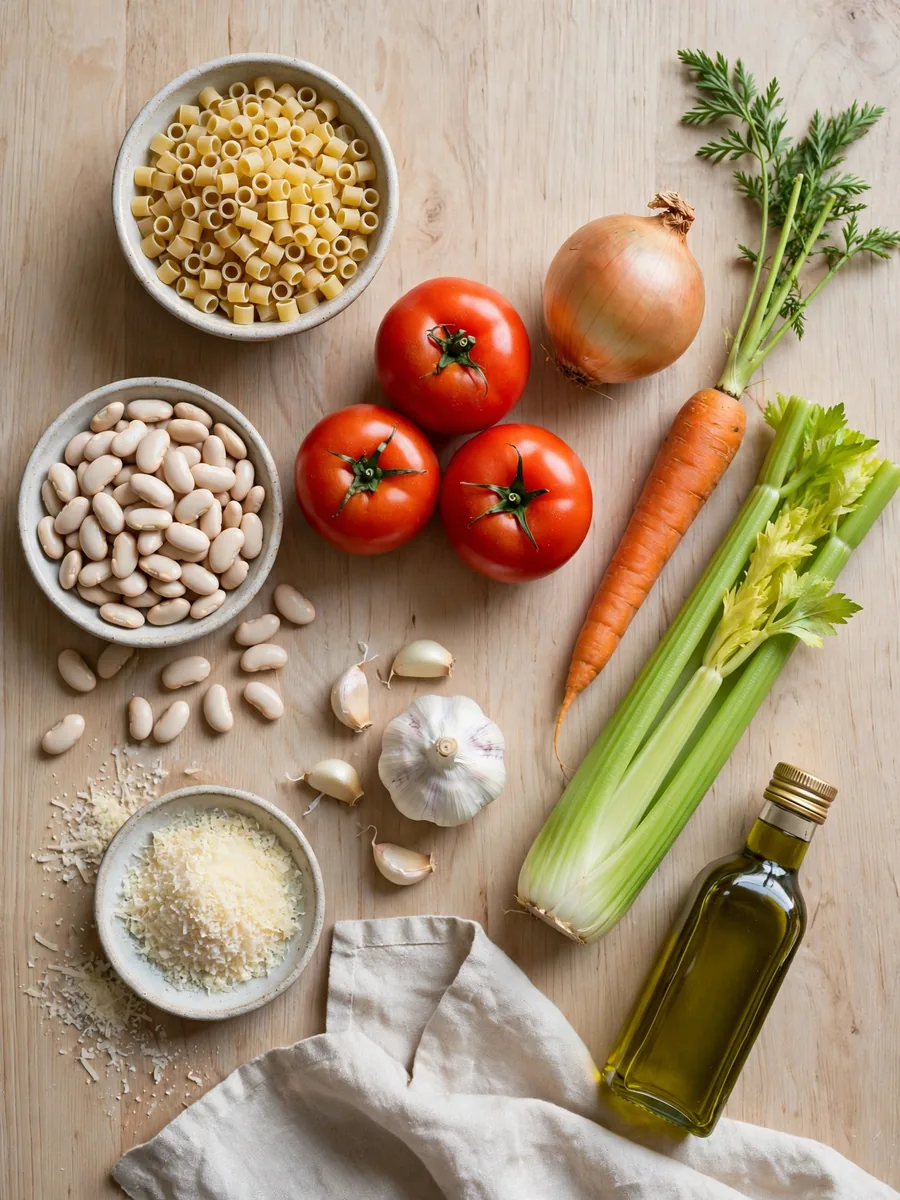
Ingredients
- 8 ounces (about 2 cups) ditali pasta
- 2 tablespoons olive oil
- 1 medium onion, finely diced
- 1 medium carrot, finely diced
- 2 celery stalks, finely diced
- 3 garlic cloves, minced
- 1 can (14 ounces) diced tomatoes
- 2 cans (15 ounces each) cannellini beans (drained and rinsed)
- 4 cups chicken or vegetable broth
- 1 teaspoon dried oregano
- 1/2 teaspoon red pepper flakes, optional
- Salt and black pepper, to taste
- 1/4 cup grated Parmesan, plus more for serving
- 2 tablespoons chopped fresh parsley
Steps
- Bring a large pot of salted water to a boil. Cook the ditali until just shy of al dente, about 8 minutes. Drain and set aside. Do not rinse.
- Warm the olive oil in a large pot over medium heat. Add the onion, carrot, and celery, and cook until soft, about 7 minutes.
- Add the garlic and oregano, plus the red pepper flakes if using. Cook 1 minute more, until the garlic smells fragrant.
- Pour in the diced tomatoes and broth. Scrape the bottom of the pot to lift any browned bits. Bring to a gentle boil.
- Add the beans and simmer 15 minutes so the flavors come together. Season with salt and pepper.
- Mash about one third of the beans against the side of the pot with a potato masher or the back of a spoon. Stir to thicken the broth.
- Stir in the cooked ditali and the Parmesan. Cook 2 minutes more, just until the pasta is hot and coated. Taste and adjust the salt.
- Ladle into bowls, top with parsley and extra Parmesan, and serve with crusty bread.
One serving has about 325 calories. That number comes from adding up USDA FoodData Central values for the pasta, the beans, the tomatoes, the olive oil, the broth, the Parmesan, and the vegetables. It is an estimate, not a lab result, and it moves a little with the brands you buy.
If the soup thickens as it sits, thin it with a splash of broth or water when you reheat it. The pasta will have soaked up liquid overnight, and that is normal. Add the extra liquid a little at a time.
Five More Ways to Use Ditali Pasta
Pasta e fagioli is the classic, but ditali earns its pantry space elsewhere. The shape works anywhere a small tube makes sense. Think soups, salads, baked pasta, or any sauce that needs something to hold onto.
Start with the soup.
Minestrone
Minestrone is the other great Italian soup for ditali. Use whatever vegetables are in season, add the pasta in the last 10 minutes, and finish with Parmesan. The pasta thickens the soup just enough to make it a meal.
Cold Pasta Salad
Cook the ditali, rinse it under cold water, and toss it with cherry tomatoes and cucumber plus mozzarella pearls in a lemon vinaigrette. The tubes hold dressing inside, so the salad stays flavorful even after a night in the fridge. It is one of the easiest make ahead pasta salads for a picnic or a potluck.
Creamy Garlic Tomato Ditali
For a quick weeknight dinner, simmer ditali in a garlicky tomato sauce with a splash of cream, then add Parmesan and torn basil. The small tubes drink up the sauce, so the dish eats like a lighter version of creamy Italian classics, ready in about 25 minutes.
Baked Ditali With Cheese
Layer cooked ditali with marinara and ricotta, add mozzarella on top, then bake until the top bubbles and browns. It is baked ziti’s smaller cousin, and it works well for a crowd because the small tubes portion neatly.
Ditali Mac and Cheese
Swap elbow macaroni for ditali in your usual mac and cheese. The tubes trap the cheese sauce inside, so each bite is rich. Add a handful of peas in the last two minutes for color, or top with toasted breadcrumbs and bake it.
What Sauce Goes With Ditali Pasta
Thin sauces suit ditali best. A light tomato sauce, a simple garlic and olive oil toss, or a thin broth lets the pasta’s shape do the work. Heavy sauces slide off the smooth tubes, so for a rich sauce, cook the pasta in it for the last few minutes and let the starch pull it together.
Pesto is the exception. A spoonful of basil pesto clings to the tubes and gets pulled inside them, which is why pesto ditali shows up on summer menus. The same goes for a light cream sauce with peas or mushrooms, where the small shape keeps every bite balanced.
Substitutions That Actually Work
Ditali is easy to find in most supermarkets, usually near the elbows and shells. If your store is out, these swaps work in the same dishes. Match the size first, then the cook time, and taste a minute early, because small pasta goes from firm to soft fast.
| Instead of ditali | Use this | Why it works |
|---|---|---|
| Tubetti | Same amount | Nearly the same tube |
| Elbow macaroni | Same amount | Same size, curved, holds sauce well |
| Small shells | Same amount | Cups hold sauce well |
| Orzo | A little less | Cooks faster and absorbs more liquid |
| Broken spaghetti | 2 inch pieces | Works in a pinch for soups |
Troubleshooting
Small pasta forgives little. It goes from al dente to mush in about a minute, and it drinks liquid long after cooking. Most problems trace back to timing or water, and both are easy to fix.
| Problem | Fix |
|---|---|
| Pasta turned mushy | Cook 1 to 2 minutes less, and taste early |
| Soup got too thick | Add broth a ladle at a time |
| Broth tastes bland | Salt the pasta water well, and simmer a Parmesan rind in the soup |
| Pasta clumped together | Stir right after adding it, and toss cooked pasta with a little olive oil |
| Sauce slides off | Finish the pasta in the sauce for 2 minutes so the starch binds it |
Scaling the Recipe and Storing Leftovers
This recipe scales cleanly in both directions. Halve it for a quiet dinner for two, or double it for a crowd, and the only thing to watch is the pot size. The pasta and the liquid both matter, so keep the ratio steady and taste as you go.
| Servings | Ditali | Beans | Broth | Tomatoes |
|---|---|---|---|---|
| 3 | 4 ounces | 1 can | 2 cups | 1/2 can |
| 6 | 8 ounces | 2 cans | 4 cups | 1 can |
| 12 | 1 pound | 4 cans | 8 cups | 2 cans |
Store leftover pasta e fagioli in the fridge for up to 4 days. The pasta keeps absorbing broth, so the soup thickens overnight. Reheat it gently on the stove with a splash of broth or water. For longer storage, freeze the soup base without the pasta for up to 3 months, then cook fresh ditali when you reheat it.
Dry ditali keeps for a year or more in a cool, dry pantry, sealed against moisture. Toss it if it smells stale or off, or if you spot pantry pests. Cooked ditali keeps 3 to 4 days in the fridge, tossed with a little olive oil so it does not clump.
What to Serve With Ditali Pasta
The soup is a meal on its own, but a few things beside it make it better. Crusty bread soaks up the broth. A simple green salad with lemon and olive oil cuts the richness, and a glass of Chianti suits the tomato base. For a bigger spread, serve it as a first course before simple Italian inspired dinners like roast chicken, grilled fish, or a plate of cured meats and cheese.
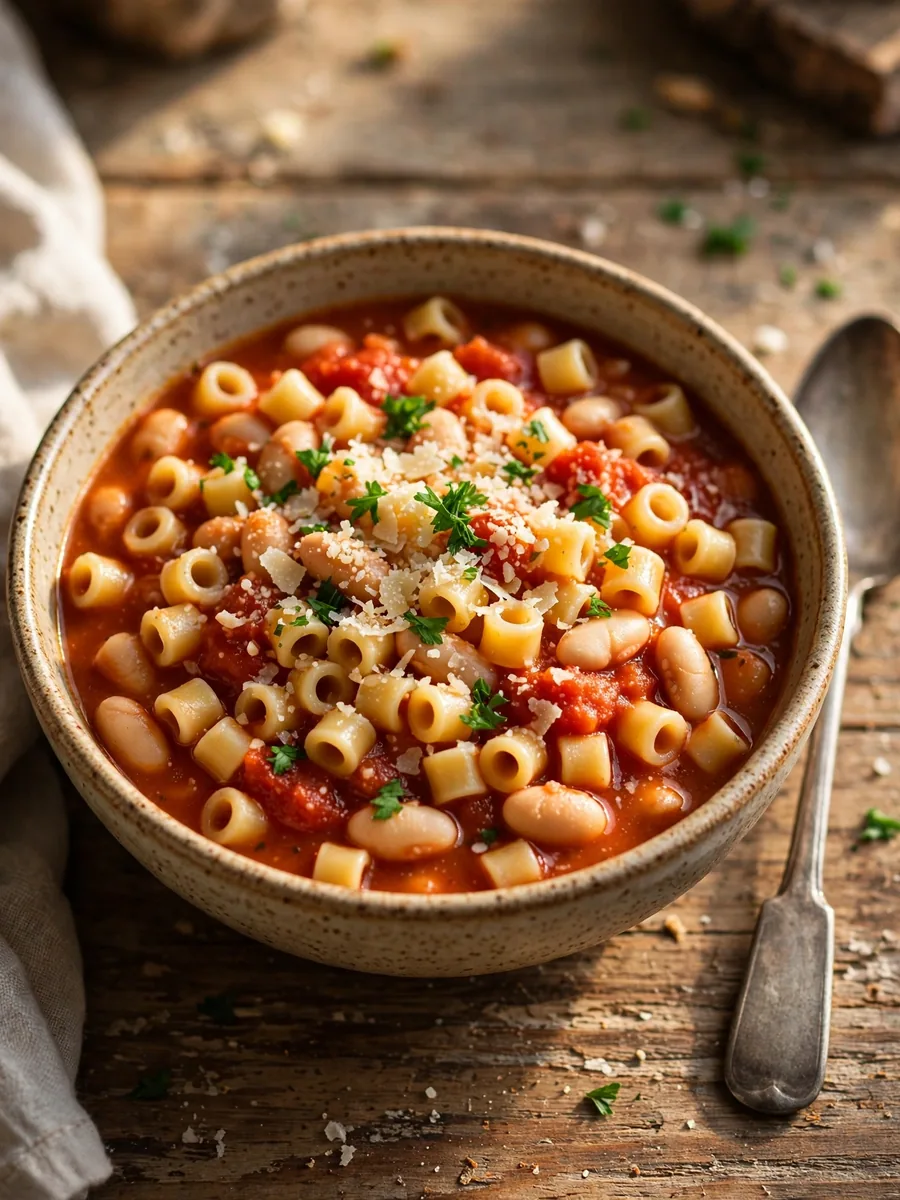
Keep dessert simple. Fresh fruit, or a small scoop of gelato, is enough after a bowl this hearty. The soup also packs well for lunch the next day, which is when it tastes best, after the flavors have had a night to settle.
Frequently Asked Questions
What is the difference between ditali and ditalini?
Ditalini is the smaller version of ditali, roughly half the size. Ditali holds its own against beans and chunky vegetables, while ditalini suits thin broths and dishes where the pasta should stay in the background.
How long does ditali pasta take to cook?
About 8 to 10 minutes in boiling salted water, depending on the brand. Taste a piece a minute before the package time is up, and pull it while the center is still firm.
Can I cook ditali pasta directly in soup?
Yes, when everyone eats right away. Cook it separately if the soup will sit, or if you plan to store leftovers, because the pasta keeps absorbing broth and turns soft.
What can I use instead of ditali pasta?
Tubetti is the closest swap, one for one. Elbow macaroni and small shells also work, and orzo works in soups if you use a little less, because it absorbs more liquid.
How many calories are in a serving of pasta e fagioli?
About 325 calories per serving for the recipe above, from adding up USDA FoodData Central values for each ingredient. It also gives you fiber from the beans and about 14 grams of protein.