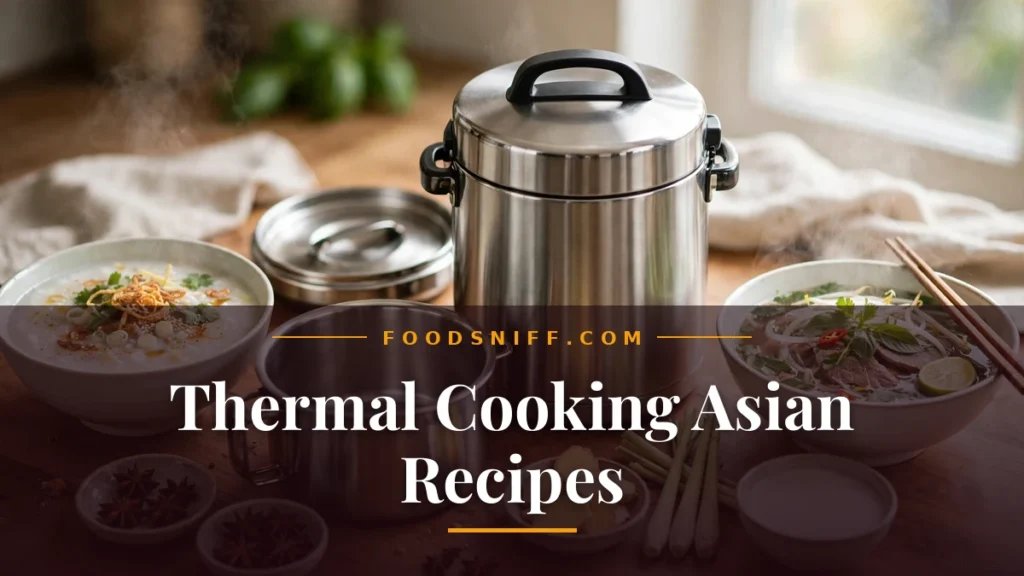
Thermal cooking Asian recipes use a thermal cooker to finish dishes with stored heat: boil the pot, seal it in the insulated shell, and let it rest 1 to 4 hours. This guide covers seven dishes, congee, oden, samgyetang, green curry, pho, rendang, and dal, with boil times, rest times, and three rules for adapting any Asian recipe.
Each recipe below lists its stovetop boil time, sealed rest time, and servings, so you can plan around your day. You will also get three simple rules for adapting almost any Asian recipe to a thermal cooker, plus a timing cheat sheet.
What Is Thermal Cooking?
A thermal cooker, also called a thermal pot, is an insulated container with a removable inner pot. You heat food to a full boil on the stove, place the inner pot inside the insulated shell, close the lid, and let stored heat keep cooking the food for hours.
Steel thermal cookers were developed in Asia in the mid-1990s, and the design has barely changed since, because the physics is simple: stop heat from escaping and the food keeps cooking itself.
Thermal cooking relies on heat retention rather than continuous fuel, as explained in Wikipedia’s overview of thermal cooking. It suits Asian food well because so many of the continent’s best dishes are long-simmered soups, braises, and porridges.
Why Asian Recipes Suit Thermal Cooking
- Broth-based dishes like pho, oden, and samgyetang improve when flavors have hours to mingle at gentle heat.
- It is true set-and-forget cooking: start a rendang before work and come home to tender beef.
- Energy bills stay lower because minutes of stove time replace hours of simmering.
- The kitchen stays cooler because the insulated shell keeps heat in the pot, not in the room.
- Results stay forgiving because nothing scorches on the bottom with no burner underneath.
3 Rules for Adapting Any Asian Recipe to a Thermal Cooker
- Start with a full rolling boil. A thermal cooker holds heat; it does not create it. Bring everything to a vigorous boil and hold it there for 5 to 15 minutes (longer for big cuts of meat) before sealing the lid. This step also keeps food safe, since the pot needs to start hot enough to stay above the danger zone.
- Use less liquid than the original recipe. Almost nothing evaporates inside a sealed thermal cooker, so cut the water or stock by about a quarter. Congee is the exception: rice porridge still needs its full 1:6 to 1:8 rice-to-liquid ratio to turn creamy.
- Keep the lid closed. Every peek lets stored heat escape. Plan one sealed rest of 1 to 4 hours depending on the dish, serve promptly, and refrigerate leftovers without delay.
Once these three rules feel natural, you can adapt easy global fusion meals the same way.
7 Thermal Cooking Asian Recipes
1. Chinese Congee
Why it works: congee needs long, gentle cooking to turn silky, and a thermal cooker delivers it with zero stirring and no scorched pot.
Stovetop: 10 minutes | Thermal rest: 3 to 4 hours | Serves: 4
- Rinse 1 cup jasmine rice. Combine with 6 to 8 cups water or light chicken stock, a knob of sliced ginger, and 1 teaspoon salt.
- Bring to a hard boil for 10 minutes.
- Seal in the thermal cooker for 3 to 4 hours, or overnight for breakfast.
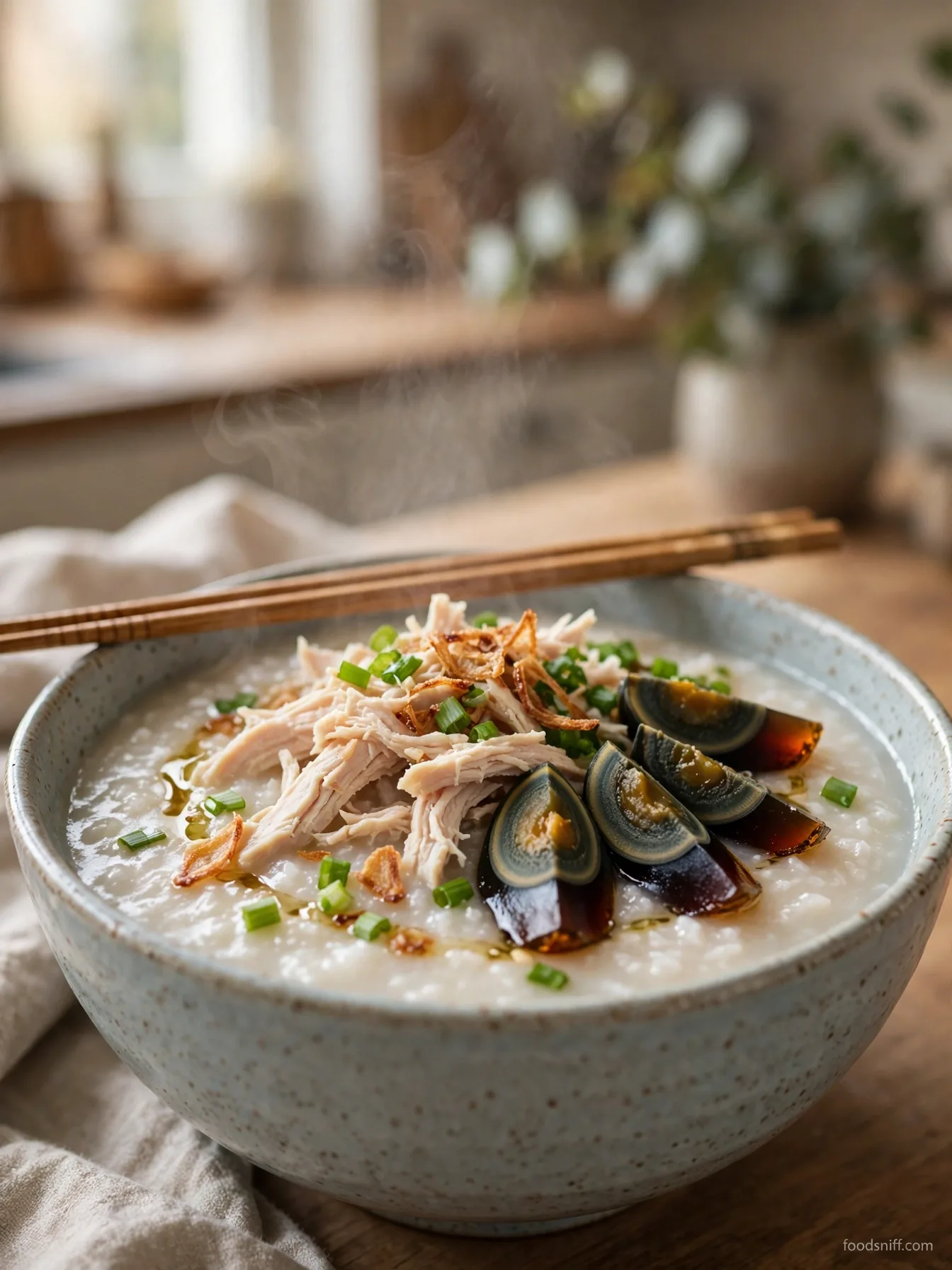
- Stir well and top with shredded chicken, sliced century egg, scallions, crispy shallots, and a drizzle of sesame oil.
2. Japanese Oden
Why it works: daikon, eggs, and fish cakes soak up the seasoned dashi broth during the long, gentle rest.
Stovetop: 15 minutes | Thermal rest: 2 to 3 hours | Serves: 4 to 6
- Simmer 8 cups dashi with 3 tablespoons soy sauce, 2 tablespoons mirin, and 1 tablespoon sake.
- Add thick daikon rounds, peeled boiled eggs, konnyaku, fish cakes, and atsuage (thick fried tofu). Boil gently for 15 minutes.
- Transfer to the thermal cooker for 2 to 3 hours.
- Serve hot with a dab of karashi mustard.
3. Korean Samgyetang (Ginseng Chicken Soup)
Why it works: the classic recipe already calls for long simmering until the stuffed chicken falls apart.
Stovetop: 15 minutes | Thermal rest: 3 to 4 hours | Serves: 2
- Soak 1/3 cup glutinous rice for 1 hour. Stuff a small whole chicken (about 2 pounds) with the rice, 6 garlic cloves, 4 jujube dates, and a 2-inch piece of fresh ginseng. Truss the cavity closed with kitchen string.
- Cover with water in the inner pot and boil hard for 15 minutes, skimming the foam.
- Season with salt and pepper, then seal in the thermal cooker for 3 to 4 hours.
- Serve in deep bowls with the cooking broth, chopped scallions, and extra salt on the side.
4. Thai Green Curry
Why it works: the curry paste blooms in the initial fry, then gentle retained heat melds the coconut milk and aromatics without splitting the sauce.
Stovetop: 8 minutes | Thermal rest: 1 to 2 hours | Serves: 4
- Fry 3 tablespoons green curry paste in 1 tablespoon oil until deeply fragrant, about 2 minutes.
- Add 1 pound chicken thigh pieces, 1 cup bamboo shoots, and 1 sliced bell pepper. Stir to coat.
- Pour in 2 cups coconut milk, 1 tablespoon fish sauce, and 1 teaspoon sugar. Bring to a boil for 8 minutes.
- Rest sealed for 1 to 2 hours. Finish with a handful of Thai basil leaves and a squeeze of lime. If you enjoy bold global flavors like African blue basil, it is a fun swap in curries and noodle soups.
5. Vietnamese Pho
Why it works: pho broth needs time for charred aromatics and toasted spices to infuse, and the thermal cooker gives it hours without a simmering pot on the stove.
Stovetop: 20 minutes | Thermal rest: 3 to 4 hours | Serves: 4
- Char 1 halved onion and a 3-inch piece of ginger under the broiler or directly over a gas flame. Toast 3 star anise, 1 cinnamon stick, 3 cloves, and 2 cardamom pods in a dry pan.
- Combine with 8 cups beef or chicken stock in the inner pot. Boil hard for 20 minutes.
- Seal in the thermal cooker for 3 to 4 hours. Strain, then season with fish sauce and a little rock sugar.
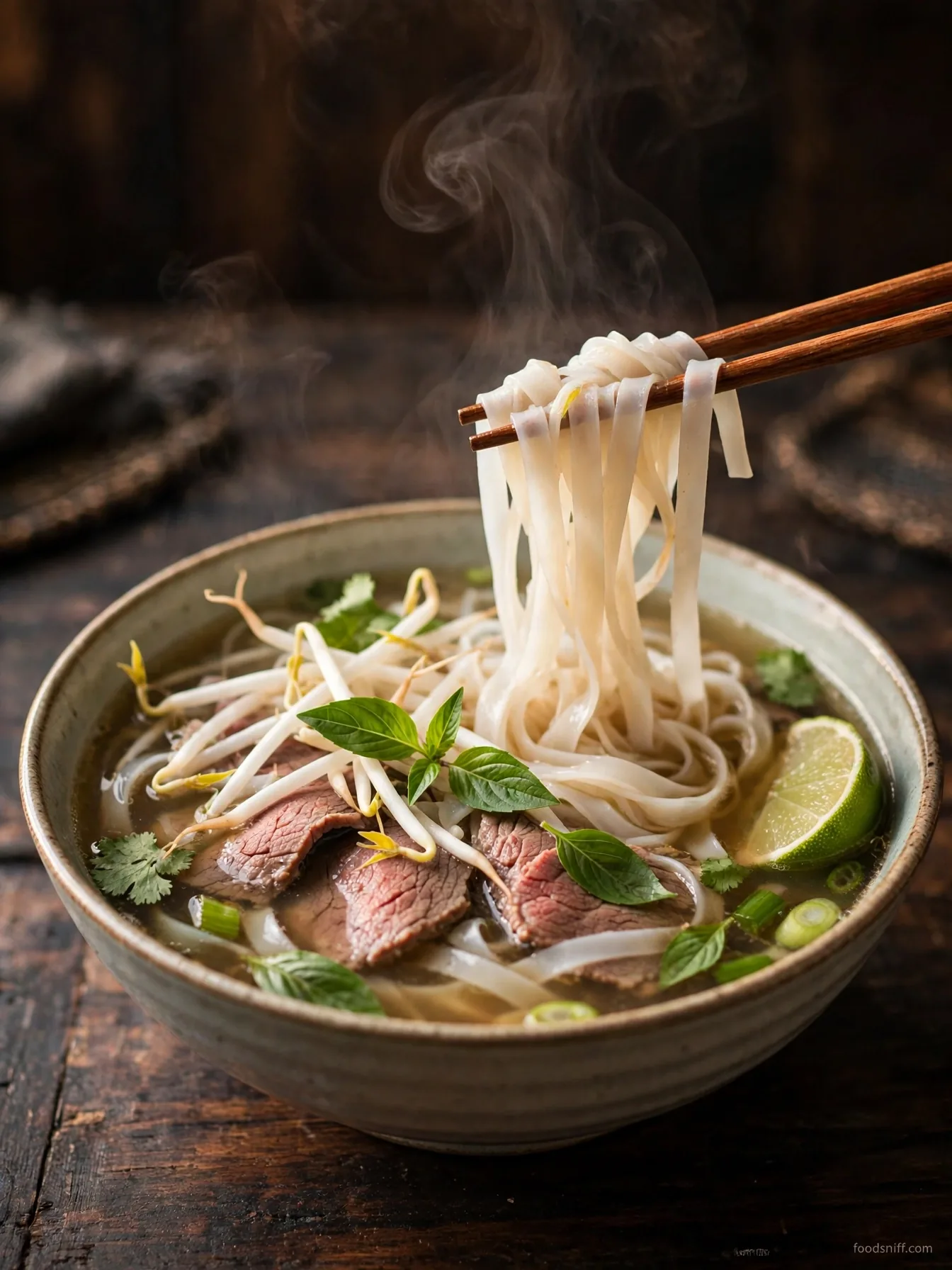
- Serve over cooked flat rice noodles with thinly sliced beef (the hot broth cooks it), bean sprouts, Thai basil, lime wedges, and sliced chilies.
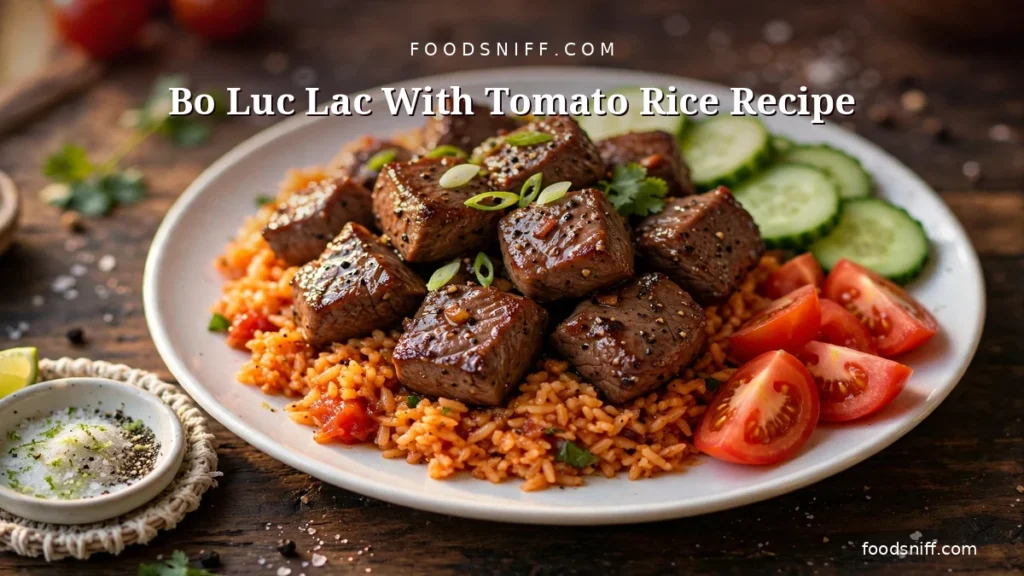
Love Vietnamese food? This Bo Luc Lac recipe with tomato rice is another weeknight favorite.
6. Malaysian Beef Rendang
Why it works: rendang is meant to cook low and long until the coconut milk reduces and the beef turns dark and caramelized. The thermal cooker handles the long middle stretch hands-free.
Stovetop: 15 minutes, plus a final reduction | Thermal rest: 3 to 4 hours | Serves: 4 to 6
- Blend 6 shallots, 4 garlic cloves, a 2-inch piece each of ginger and galangal, 2 lemongrass stalks (white parts only), 6 dried red chilies (soaked), and 1 teaspoon turmeric into a smooth paste.
- Fry the paste in 1/2 cup thick coconut cream until the oil separates and the paste darkens.
- Add 2 pounds beef chuck cut in large cubes, 2 cups coconut milk, 2 bruised lemongrass stalks, 4 kaffir lime leaves, and 2 tablespoons toasted grated coconut (kerisik). Boil hard for 15 minutes.
- Rest sealed for 3 to 4 hours, then return the inner pot to the stove and simmer until the sauce reduces to a dark, clinging coating.
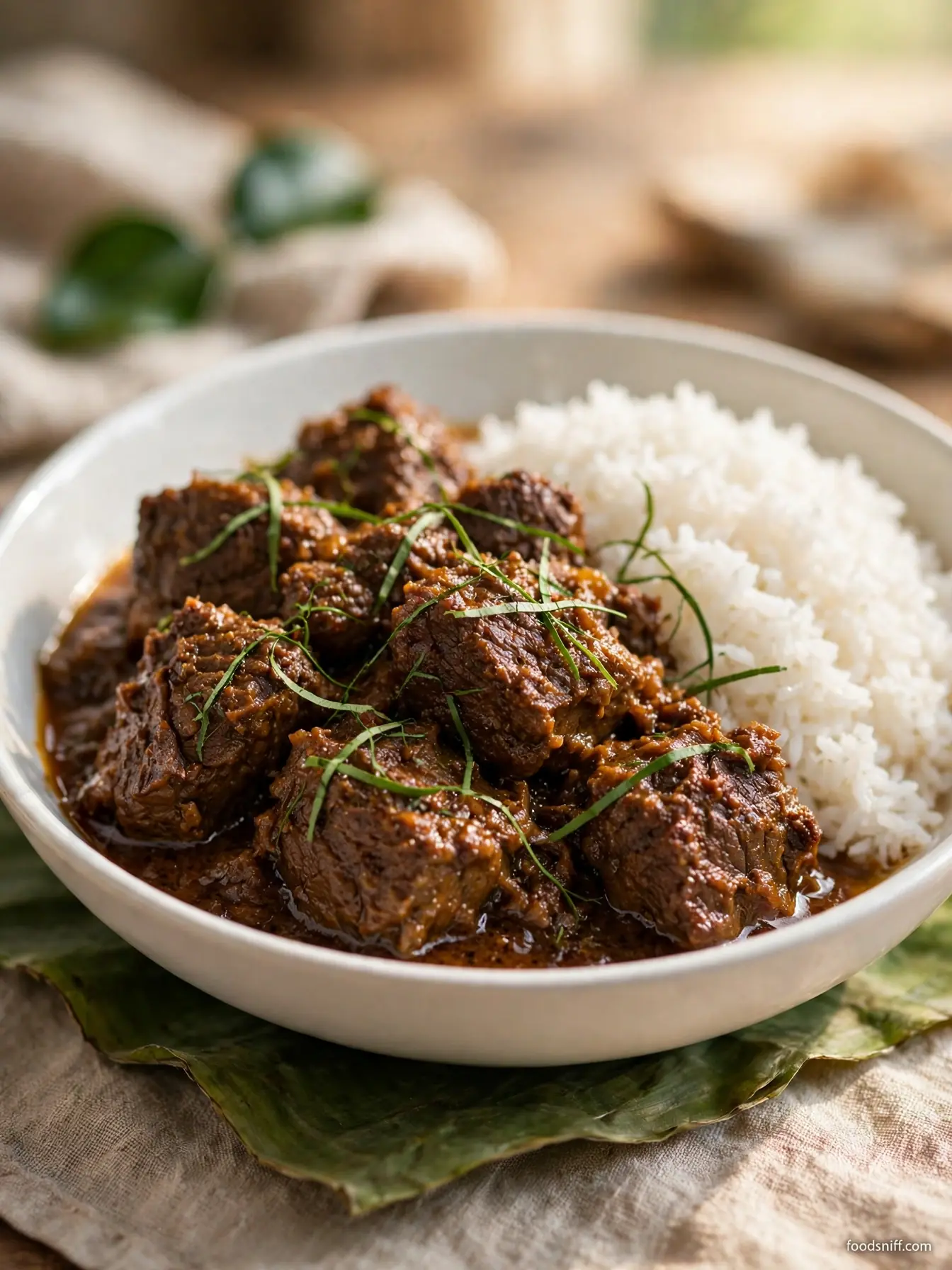
Rendang is rich, so serve it with steamed rice and something cool and crisp on the side, like Din Tai Fung’s cucumber salad.
7. Indian Lentil Curry (Dal)
Why it works: red lentils break down into a creamy dal under gentle, prolonged heat, and the tempering stirred in at the end keeps its punch.
Stovetop: 15 minutes | Thermal rest: 1 to 2 hours | Serves: 4
- Boil 1 cup red lentils with 4 cups water and 1/2 teaspoon turmeric for 10 minutes.
- Meanwhile, fry 1 teaspoon cumin seeds, 1 diced onion, 4 garlic cloves, a 1-inch piece of ginger, and 2 green chilies in 2 tablespoons ghee or oil until golden. Stir in 1 chopped tomato and 1 teaspoon garam masala.
- Combine with the lentils, boil 5 minutes more, then rest sealed for 1 to 2 hours until creamy.
- Finish with chopped cilantro and a squeeze of lemon. Serve with rice or flatbread.
Thermal Cooking Time Cheat Sheet
| Dish | Boil on stove | Rest sealed | Serves |
|---|---|---|---|
| Chinese congee | 10 min | 3 to 4 hr | 4 |
| Japanese oden | 15 min | 2 to 3 hr | 4 to 6 |
| Korean samgyetang | 15 min | 3 to 4 hr | 2 |
| Thai green curry | 8 min | 1 to 2 hr | 4 |
| Vietnamese pho | 20 min | 3 to 4 hr | 4 |
| Malaysian beef rendang | 15 min + reduction | 3 to 4 hr | 4 to 6 |
| Indian dal | 15 min | 1 to 2 hr | 4 |
What Not to Cook in a Thermal Cooker
- Anything meant to stay crisp. Fried spring rolls and tempura go soggy in trapped steam.
- Delicate greens. Add spinach or bok choy after the rest and let residual heat wilt them.
- Dishes that need real reduction. Rendang still needs its final minutes on the stove.
- Cream added too early. Stir coconut cream or dairy in at the end so long, gentle heat does not split the sauce.
How to Use a Thermal Cooker, Step by Step
- Prep everything first: chop vegetables, measure stock, season meat, and soak rice or lentils if the recipe calls for it.
- Bring the inner pot to a full rolling boil and hold it for the time your recipe needs, 5 to 15 minutes for most dishes here.
- Set the inner pot into the insulated shell and close the lid firmly.
- Leave it completely alone for the planned rest time.
- Open, check that everything is tender and piping hot, adjust the seasoning, and serve.
The same retained-heat idea works beyond Asian dishes: a thermal cooker can turn out a creamy Italian risotto with almost no stirring.
Thermal Cooker Recipes for Beginners
If you are new to thermal cooking, start with congee or dal. Both are forgiving: the steps are short, the rest does the work, and a little extra time in the pot only makes them creamier. Congee needs 10 minutes on the stove and a 3 to 4 hour rest; dal needs 15 minutes and a 1 to 2 hour rest.
Both dishes also teach the three rules fast: a full rolling boil, less liquid than the stovetop version, and a lid that stays closed. Get those right once and the rest of the recipes in this guide follow the same pattern.
FAQs
How long can food stay in a thermal cooker?
Most thermal cookers keep food hot for 4 to 8 hours, depending on how full the pot is and how often the lid is opened. Serve the food promptly once the rest time is done, and refrigerate leftovers without delay.
Do I need less liquid when adapting a recipe?
In most cases, yes. Almost no liquid evaporates inside a sealed thermal cooker, so reduce the water or stock by about a quarter compared with the stovetop version. Congee is the exception: it still needs a 1:6 to 1:8 rice-to-liquid ratio to turn creamy.
Is a thermal cooker the same as a slow cooker?
No. A slow cooker uses electricity to hold a steady low temperature for hours. A thermal cooker uses only stored heat from an initial boil and needs no power at all during cooking.
Can I adapt my own Asian recipes to a thermal cooker?
Most soups, braises, curries, and porridges adapt well. Bring the dish to a full rolling boil, use slightly less liquid, seal the lid, and rest for 1 to 4 hours. Skip dishes that must stay crisp, and finish reductions like rendang on the stove.
Does a thermal cooker cook rice?
Yes. Congee in this guide is rice cooked entirely in a thermal cooker: 1 cup jasmine rice with 6 to 8 cups water or light stock, a hard boil for 10 minutes, then sealed for 3 to 4 hours until creamy. Plain rice follows the same boil-then-seal method, with less liquid than the stovetop version, since almost nothing evaporates inside a sealed pot.
Is a thermal pot the same as a thermal cooker?
Yes. Thermal pot is another name for the same device: an insulated shell with a removable inner pot. Brands use both names, so a recipe written for a thermal cooker works in a thermal pot with no changes.
Do these recipes work in a Tayama, Thermos Shuttle Chef, or Dreampot?
Yes. Every thermal cooker works the same way: boil the inner pot, seal it in the insulated shell, and let stored heat finish the cooking. These seven recipes work in any brand, including Tayama, Thermos Shuttle Chef, and Dreampot. Only the pot size and the exact rest time vary slightly, so check that the food is tender and piping hot before serving.
The Bottom Line
Thermal cooking trades hours of stove time for minutes of prep, and Asian recipes repay that trade better than almost anything else. Start with congee or dal if you are new to the method; both are forgiving and ready in a couple of hours. When you are comfortable, move on to pho or rendang for a weekend project that mostly cooks itself.
And for a completely different flavor at the table, this Pork Con Tiki recipe is ready in minutes.