

A low calorie meal keeps the calories low without leaving you hungry, usually 500 calories or fewer per serving, built around lean protein, fiber, and plenty of vegetables. The egg roll in a bowl below is one example at 245 calories per serving, and it is ready in about 10 minutes.
Low calorie eating fails most often when the food is boring or the portions are so small that you are hungry again in an hour. This guide takes the other route. It shows what counts as low calorie, how to build a plate that actually fills you up, and which meals work for breakfast, lunch, and dinner, with real calorie counts from published recipes so you can see the numbers instead of guessing.
Everything here stays under 500 calories a serving, and most of the ideas sit between 200 and 400 calories. That leaves room for a snack, a drink, or a second helping of vegetables.
If you also watch carbs, our low carb meals guide covers that side of the plate, but the two are not the same thing. A low calorie meal can still include bread, rice, and potatoes, as long as the total stays in range.
What counts as a low calorie meal
By Healthline definition, a low calorie meal contains 500 calories or fewer, and a low calorie snack contains 250 calories or fewer. That is the line this guide uses. A dinner at 450 calories counts. A dinner at 700 calories does not, even if every ingredient is healthy.
Why protein and fiber matter
Calories are not the whole story, though. Two meals can both land at 400 calories and feel very different. The one with 25 to 30 grams of protein and a few grams of fiber keeps you full for hours, while the one built from white bread and jam leaves you hungry again fast.
Research cited by Healthline points to the same thing: around 25 to 30 grams of protein per meal helps increase satiety and fullness.
The practical test is simple. A low calorie meal should have a clear protein, a pile of vegetables or salad, and a measured amount of starch or fat, not a free pour. If you can name the protein and see the vegetables, the meal is probably on track. If the plate is mostly one thing, it probably is not.
How to build a low calorie plate
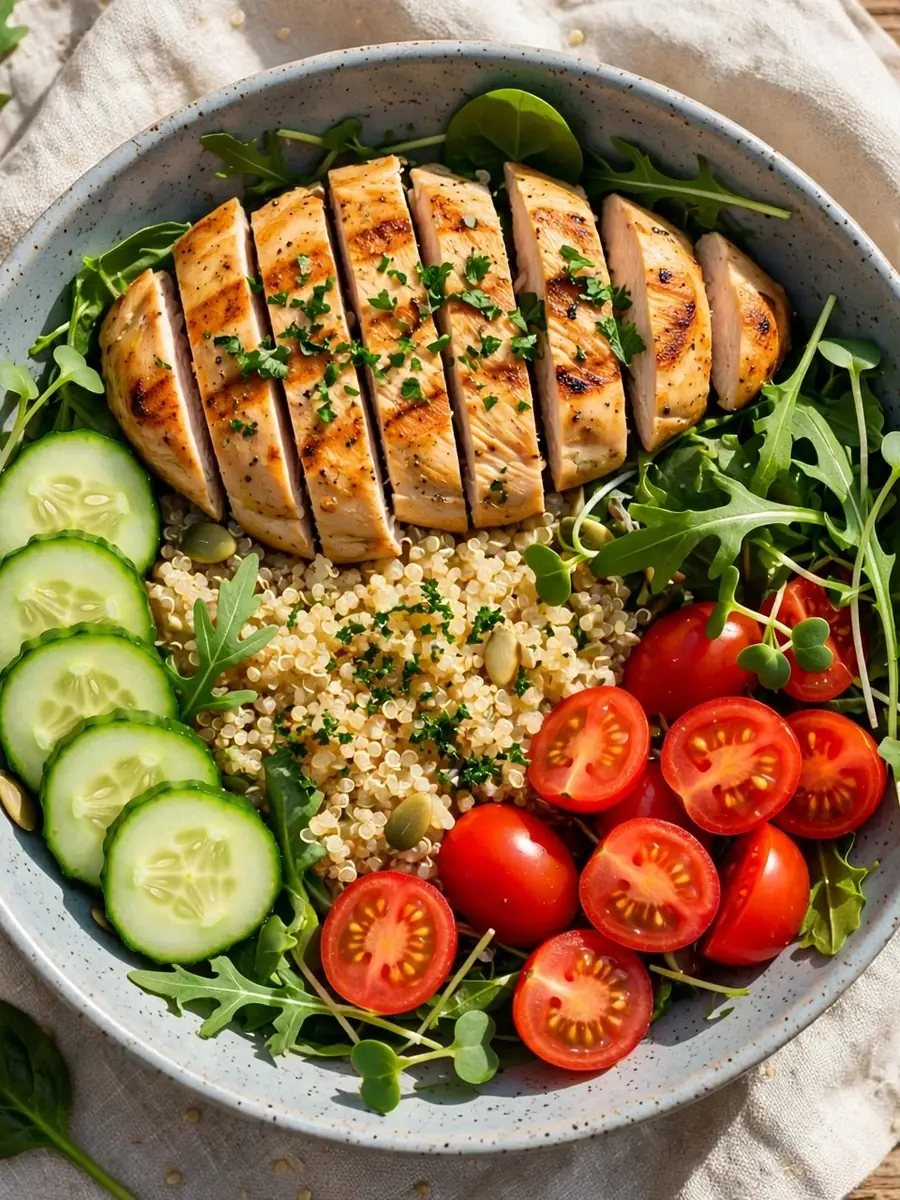
Build the plate by eye before you count anything. Fill half the plate with vegetables or salad, one quarter with lean protein, and the last quarter with a whole grain or starchy vegetable. Add one small amount of healthy fat, like a teaspoon of olive oil or a few slices of avocado, and stop there. The method works for breakfast, lunch, and dinner, and it works whether you cook at home or order out.
Protein does most of the work. Chicken breast, fish, eggs, Greek yogurt, tofu, beans, and lean ground meat all give you a lot of protein for few calories. A skinless 4 ounce chicken breast has about 170 calories and 31 grams of protein, according to Parade. Four ounces of shrimp has only about 70 calories. One egg white has almost 4 grams of protein for just 17 calories, according to The Big Man’s World.
Fiber does the rest. Vegetables, beans, lentils, and whole grains add bulk that slows you down and keeps you full, and they cost very few calories. A cup of cooked spaghetti squash has only 42 calories and 2 grams of fiber, according to Parade. A cup of chickpeas has about 270 calories, but it also carries protein and fiber, so it holds you far longer than the same calories from bread.
Swaps that cut calories without cutting the meal
Small swaps are the easiest way to drop 100 to 200 calories from a meal you already like. The meal stays recognizable, the portion stays the same size, and the calories fall. These are the swaps that show up again and again in the recipes below.
| Instead of this | Try this | What it saves |
|---|---|---|
| Regular rice, 1 cup | Cauliflower rice, 1 cup | About 170 calories, 200 down to 27 |
| Mayonnaise in chicken salad | Plain Greek yogurt | Most of the fat, plus added protein |
| Ground beef tacos | Roasted cauliflower tacos | Over 200 calories per taco |
| Regular pizza, one slice | Two ingredient dough pizza | A whole pizza for under 400 calories |
| Fried chicken | Air fryer fried chicken | About half the fat, under 275 calories a serving |
If you also eat autoimmune friendly, the same plate method works with a narrower list of foods. Our clean autoimmune friendly cooking guide shows which foods fit and how to build meals from them.
Low calorie breakfast ideas
Breakfast is the easiest meal to keep light, because eggs, yogurt, and fruit do most of the work. The goal is protein first, then something with fiber, then fruit or vegetables for volume. A breakfast at 250 to 350 calories with 20 grams of protein carries you to lunch far better than a 500 calorie pastry with almost no protein at all.
Quick breakfasts
A vegetable omelet with low fat cheese is a strong start, and Parade lists it first among its 57 low calorie meals. Eggs pack protein, and the vegetables add fiber and volume for very few calories. A Greek yogurt bowl with spinach and berries works the same way: the yogurt adds protein and probiotics, the berries add fiber, and the whole bowl stays light.
Avocado and egg toast is another good option when you use one slice of whole grain bread, half an avocado, and one egg. That combination gives you vitamins, minerals, healthy fats, and savory flavor in a portion that still counts as low calorie.
For a drinkable breakfast, blend half a frozen banana, a handful of spinach, a tablespoon of nut butter, one and a half cups of unsweetened almond milk, and a scoop of protein powder, which gives about 25 grams of protein per serving, according to Parade.
Breakfasts you can prep ahead
Hard boiled eggs with vegetables and hummus travel well and cost almost nothing in time. One hard boiled egg has about 70 calories, and the raw vegetables and hummus add fiber for a filling protein and fiber combination. Egg white frittatas work the same way: bake a batch on Sunday, slice it, and reheat a slice each morning.
Overnight oats with berries and a spoonful of Greek yogurt are another prep ahead option. Keep the oats to half a cup dry and let the berries and yogurt do the flavor work. On days when chewing is hard or you want something lighter, light liquid based meals like smoothies and soups can still keep calories in check.
Low calorie lunch ideas
Lunch needs to be fast, filling, and easy to carry, and it needs to hold you until dinner without a 3 p.m. crash. Soups, salads, and wraps do that best, because they are mostly vegetables and lean protein with a measured amount of bread or grain.
Soups, salads, and wraps
Chickpea salad is a strong meatless lunch. Toss chickpeas with cucumber, peppers, tomatoes, a sprinkle of feta, and lemon juice, and serve it over lettuce or spinach. A cup of chickpeas has about 270 calories, with protein and fiber that keep you full. Lettuce wraps are just as flexible: fill them with chicken salad, tuna salad, or Asian style turkey or beef, and the wrap itself costs almost no calories.
Soup is the other lunch workhorse. Lentil soup is high in fiber and protein, and lentils also carry potassium, folate, and iron. A vegetable bean soup with a hard cooked egg or some leftover roast chicken on top turns a light bowl into a full lunch.
The Big Man’s World puts it plainly: fibrous vegetables keep you full for minimal calories, and cauliflower fried rice at 27 calories a cup proves the point against regular rice at around 200.
Salads and bowls that hold up
Quinoa salad with cucumber and tomato works because quinoa brings both carbohydrate and protein, so it does not need a second protein source. A Mediterranean bowl with roasted chickpeas, vegetables, quinoa, hummus, and feta is the same idea in a bigger format, and it travels well for meal prep. Keep the dressing to two tablespoons and the cheese to a sprinkle, and the bowl stays in range.
Chicken salad made with plain Greek yogurt instead of mayonnaise is another lunch that keeps. Serve it over whole grain toast or in lettuce wraps. The yogurt swap cuts most of the fat and adds protein, and the meal still tastes like chicken salad.
Low calorie dinner ideas
Dinner is where most people go over, because the portions get bigger and the cooking gets richer. The fix is not a smaller plate. It is a plate built the same way as lunch, with a lean protein, a pile of vegetables, and one measured starch. Most of the dinners below land between 200 and 400 calories a serving.
Fast dinners from the stove
Grilled chicken and salad is the simplest dinner in the guide. Grill a chicken breast marinated in olive oil, lemon juice, and garlic, and serve it with a Greek salad. A skinless 4 ounce chicken breast has about 170 calories with 31 grams of protein, and the salad vegetables are mostly water, so they fill you up while keeping calories in check, according to Parade.
Stir fries are the fastest way to a low calorie dinner. Shrimp and vegetable stir fry works because shrimp is naturally low in calories and high in protein, and a vegetable rich stir fry adds nutrition and fiber that take longer to digest.
Ground turkey stuffed peppers work the same way: lean turkey brings protein without the added calories, and the peppers add fiber. Top them with a little low fat cheese to stay full longer.
Dinners under 30 minutes
Chicken fajitas made with lean chicken breast and lots of peppers and onions cook fast, and skipping the beans and rice keeps the meal lower in calories. Serve them with whole grain or corn tortillas. Salmon with roasted vegetables and salad is another quick dinner: broil the salmon, roast the vegetables with an olive oil spray and plenty of herbs, and the meal stays light while the omega-3 fats do the flavor work.
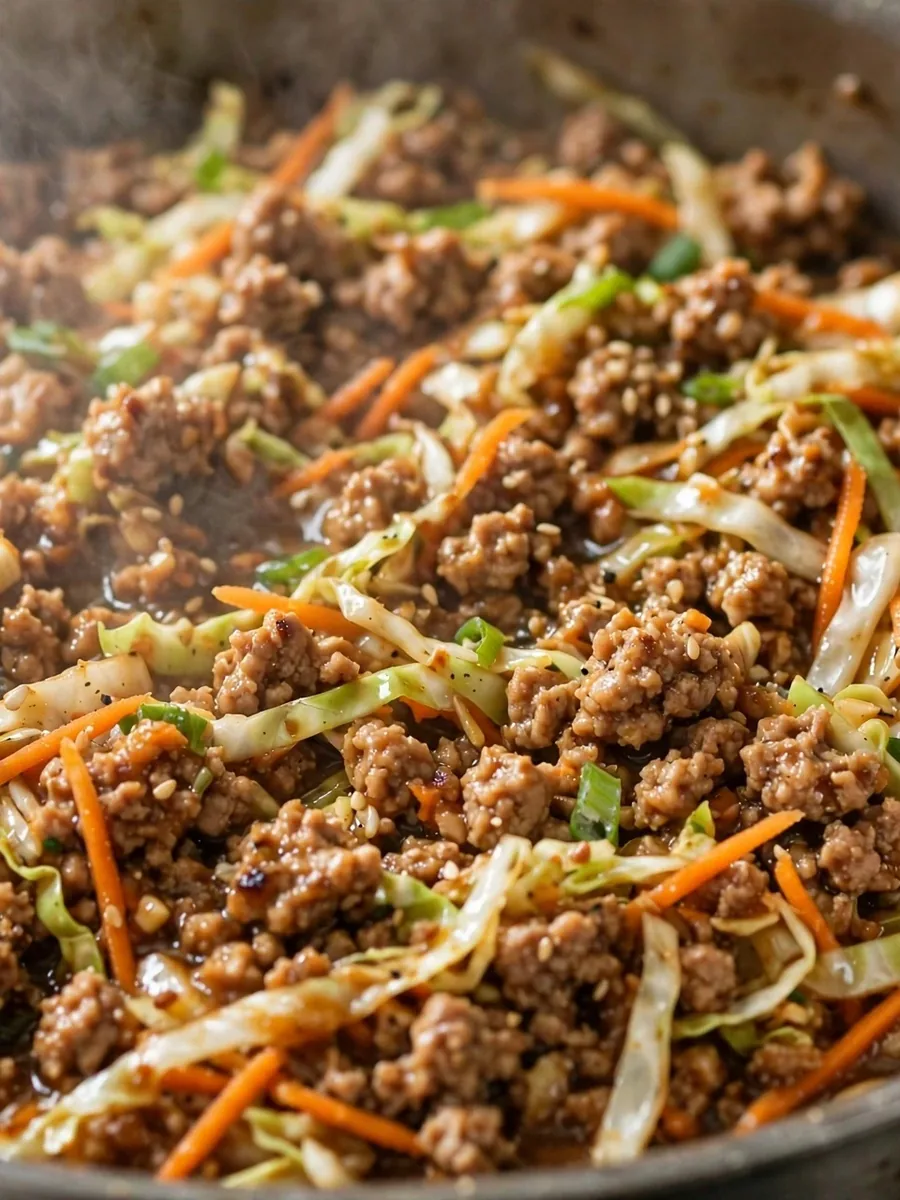
The egg roll in a bowl in the featured recipe below is the fastest dinner in this guide at about 10 minutes. It is also the lowest calorie full dinner here at 245 calories a serving, which is why it leads the guide.
Comfort food, lightened
Comfort food does not have to leave the menu. Cauliflower lasagna made with real mozzarella, egg whites, and cauliflower has 14 grams of protein with just 220 calories per serving, according to Parade. A turkey burger on a thin whole grain bun uses extra lean ground turkey, which is lower in calories and saturated fat than beef, and the thin bun saves calories while keeping the burger familiar.
Shepherd’s pie works the same way when mashed cauliflower replaces the potatoes. The Big Man’s World reports half the calories of the traditional version with all of the flavor. Meatballs over zucchini noodles are another swap: the noodles cost far fewer calories than pasta, and the meatballs made with extra lean ground beef or turkey keep the protein up.
The featured recipe: Egg roll in a bowl
Prep time: 5 minutes
Cook time: 5 minutes
Serves: 4 servings
Why this recipe leads the guide
This recipe leads the guide because it is the clearest proof that low calorie does not mean small or boring. One pan, 10 minutes, and a full bowl of food at 245 calories a serving, with 24 grams of protein and 2 grams of net carbs. The egg roll filling is the best part of the takeout version anyway, so this recipe cuts straight to it and skips the deep fried wrapper.
The numbers check out
The amounts below come from The Big Man’s World, where Arman Liew builds the same dish from lean ground pork, coleslaw mix, and a soy and chili sauce, with a published nutrition figure of 245 calories per serving.
The same dish from other publishers lands in the same range: Sugar Free Londoner lists 212 calories per serving for a ground beef version, and The Girl Who Ate Everything lists 328 calories per serving for an 85/15 beef version, so 245 sits in the normal range for the lean pork version.
It also fits the plate method in the guide. The pork is the protein, the coleslaw mix is the vegetable volume, and the sauce is measured, not poured. Serve it on its own for the lightest dinner, or with cauliflower fried rice when you want a bigger bowl.
Ingredients
- 1 tablespoon sesame oil
- 1/2 large onion, chopped
- 2 cloves garlic, minced
- 1/2 inch ginger, minced
- 1 pound lean ground pork
- 4 cups coleslaw mix
- 1/4 cup soy sauce
- 2 tablespoons chili sauce, such as sambal oelek or Sriracha
Steps
- Add the sesame oil to a non-stick pan over medium heat. Once hot, add the onion, garlic, and ginger, and stir fry for 1 to 2 minutes, until fragrant.
- Add the ground pork and break it apart with a wooden spoon. Cook for 4 to 5 minutes, until no longer pink.
- Push the pork to one side and add the coleslaw mix. Stir to combine, then add the soy sauce and chili sauce. Cook for 5 minutes, until the vegetables are tender.
- Remove the pan from the heat and serve in bowls. Garnish with toasted sesame seeds and sliced green onions if you like.
A sample day at about 1,300 calories
A sample day shows how the ideas above add up. Breakfast is a Greek yogurt bowl with berries, about 300 calories. Lunch is chickpea salad with feta over greens, about 350 calories. The afternoon snack is an apple with peanut butter, about 200 calories.
Dinner is the egg roll in a bowl at 245 calories, with steamed broccoli on the side. The day lands near 1,200 to 1,400 calories depending on portions, with protein at every meal.
A structured plan for comparison
That range suits many adults who want to lose weight, but it does not suit everyone, and portions decide the total. A structured plan makes the math easier: a 7 day low calorie high fiber plan from Alma runs about 1,580 to 1,670 calories a day with 105 to 145 grams of protein and 37 to 52 grams of fiber, built from the same kind of meals in this guide.
For a more structured plan built around smaller appetites, our structured weight loss meals are built the same way, with measured portions and simple ingredients.
If your stomach needs gentler food, the same day works with softer versions of each meal. Our soft and gentle diet foods cover that side, with 8 easy meals that are light on the stomach and still filling.
Meal prep for low calorie eating
Meal prep is what keeps a low calorie week from falling apart on Wednesday. Cook the proteins once, cut the vegetables once, and portion the meals into containers so the decision is already made when you are hungry. The Big Man’s World puts it plainly: if you wait until you are starving, you are more likely to go overboard.
The egg roll in a bowl keeps well, which is why it works for prep. Leftovers keep in the fridge for up to one week, and in the freezer for up to 6 months. Reheat in the microwave in 30 second bursts, or in a skillet over medium heat. Without a wrapper to go soggy, the leftovers taste close to fresh.
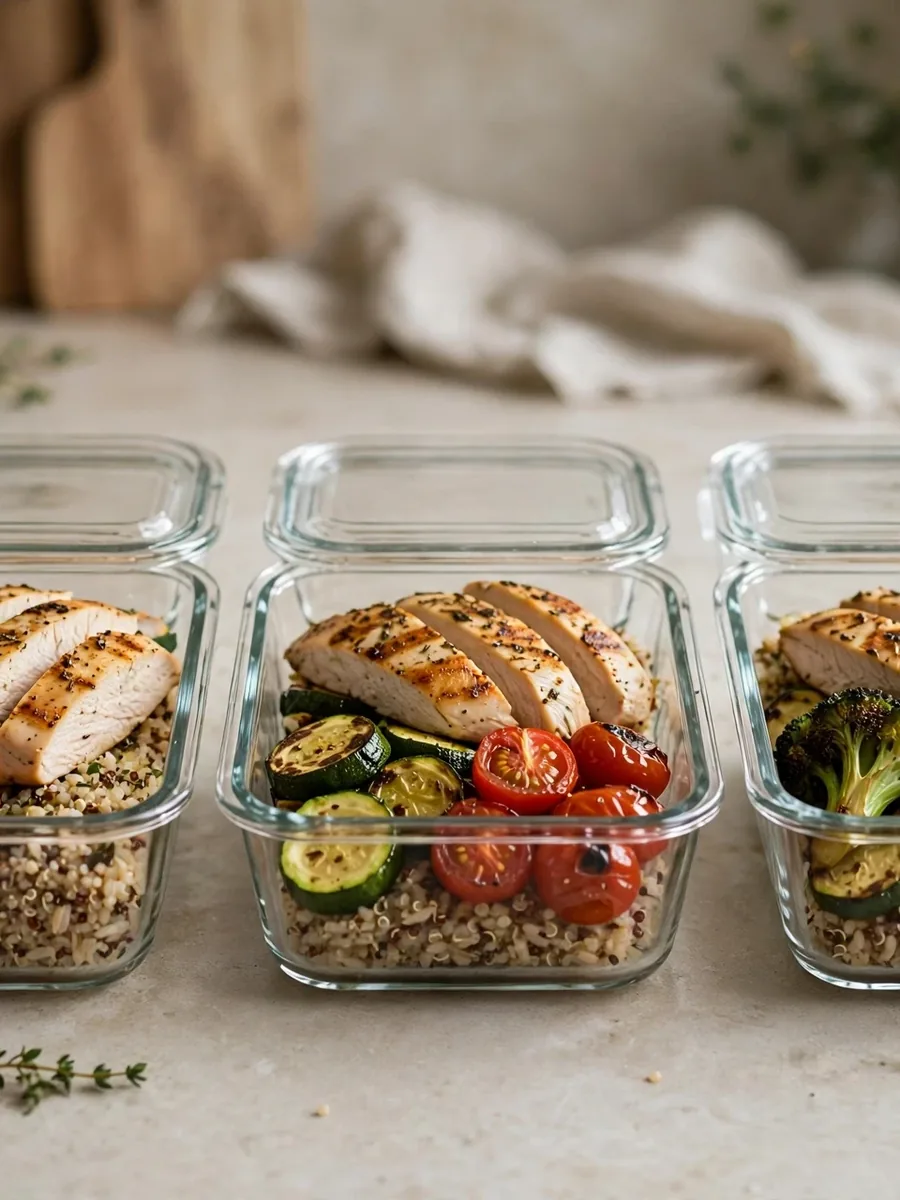
Batch cook one protein, one grain, and one roasted vegetable each Sunday, then mix and match through the week. Grilled chicken, quinoa, and roasted cauliflower give you salads, bowls, and wraps from the same three containers. Keep sauces and dressings in small separate containers so nothing goes soggy, and measure the oil and cheese when you portion, since those are the two ingredients that quietly add the most calories.
What keeps well, what does not
Soups, stews, chili, and the egg roll in a bowl all keep for 3 to 5 days in the fridge and freeze well. Cooked chicken, turkey, and grains keep 3 to 4 days. Salads with dressing do not keep, so pack the dressing separately and add it at the table. Fried foods and crisp vegetables lose their texture in the fridge, so cook those fresh.
Eating out without blowing the budget
Eating out does not have to break a low calorie day, but it does need a plan before you sit down. Order grilled instead of fried, ask for the sauce and dressing on the side, and swap the fries for a salad or steamed vegetables. Those three choices alone can save 200 to 400 calories on a restaurant meal.
Portion traps to watch
Watch the portions that restaurants do not measure. A basket of bread, a full ladle of dressing, and a large soda can add more calories than the main dish. Ask for a half portion, share a main dish, or box half of it before you start eating.
A small snack before you go out also helps: an apple with peanut butter or a cup of yogurt keeps you from ordering the biggest thing on the menu.
For snacks between meals, keep something crunchy and light on hand. Our air popped corn chips are one option that stays low in calories while still feeling like a snack.
Common mistakes that add calories back
The most common mistake is eating too little protein and too little fiber, then wondering why you are hungry an hour later. A salad with no protein is a side dish, not a meal. Add chicken, eggs, beans, or yogurt to every plate, and the same calories last much longer.
The second mistake is liquid calories. A large sweetened coffee, a juice, or a soda can carry 150 to 300 calories that do nothing for fullness. Water, unsweetened tea, and black coffee cost almost nothing and leave room for food. The third mistake is oversized healthy portions. Nuts, olive oil, avocado, and cheese are all healthy foods, and they are all dense in calories, so measure them instead of pouring them.
The last mistake is cutting too hard, too fast. A day at 1,000 calories is hard to hold, and it usually ends in a large evening meal that wipes out the savings. A steady day near 1,300 to 1,600 calories with protein at every meal is easier to keep, and it is the range the structured plans above use.
Frequently asked questions
What is the lowest calorie food for dinner?
There is no single lowest calorie food for dinner, but many low calorie dinners land around 300 calories per serving. The egg roll in a bowl in this guide is lower still at 245 calories per serving, and a grilled chicken breast with salad lands near 200 calories before the dressing.
Is 400 calories a big meal?
No. By Healthline's definition, a low calorie meal contains 500 calories or fewer, so a 400 calorie meal is a normal low calorie dinner, not a big one. Most of the dinners in this guide sit between 200 and 400 calories.
How many calories should a low calorie dinner have?
Aim for 25 to 30 grams of protein and a few grams of fiber in the meal. That combination keeps you full for hours, which is why the egg roll in a bowl works at 245 calories: it has 24 grams of protein from the pork and fiber from the cabbage.
Can I lose weight eating low calorie meals?
Yes, if the total stays below what you burn and the meals keep you full. The meals in this guide pair protein with fiber and volume, so a day near 1,200 to 1,400 calories is easier to hold than a day of small, low protein meals. Portions decide the total, so measure the oil, cheese, and grains.