 Skip to content

Introduction
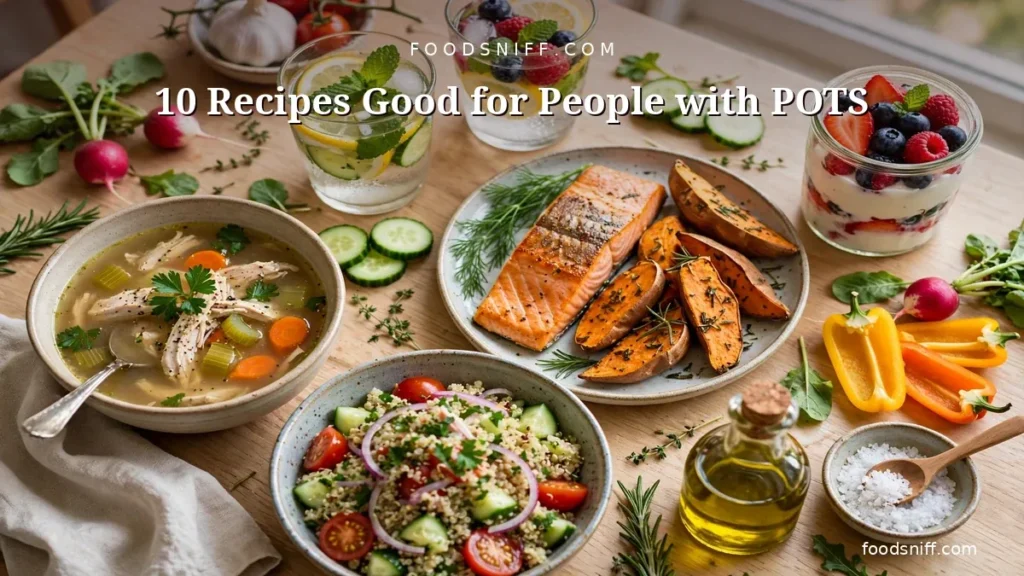
Postural orthostatic tachycardia syndrome, often shortened to POTS, affects how the body handles standing up, blood flow, and fluid balance. For many people, everyday tasks can feel harder on days when dizziness, tiredness, or a fast heartbeat show up. Food cannot replace medical care, and this article does not promise symptom relief. It does offer a practical place to start in the kitchen, with meals built around foods that are hydrating, salty in a controlled way, rich in protein, and easy to repeat through the week.
Before you change how much salt you eat or overhaul your diet, talk to a healthcare professional, especially if you have kidney disease, high blood pressure, heart disease, or another condition that affects fluid or salt intake. Sodium needs vary a lot from person to person, and what suits one person may not suit another. Use the notes in this article as general food information, then adjust portions, salt, and ingredients with your own clinician or dietitian.
The recipes below keep things simple. Most use pantry staples, one pot or one pan, and ingredients you can find in a regular grocery store. Each one includes a short note on why it fits a POTS friendly pattern, plus a variation or serving idea so the same recipe does not get boring.
How Diet Can Help People with POTS
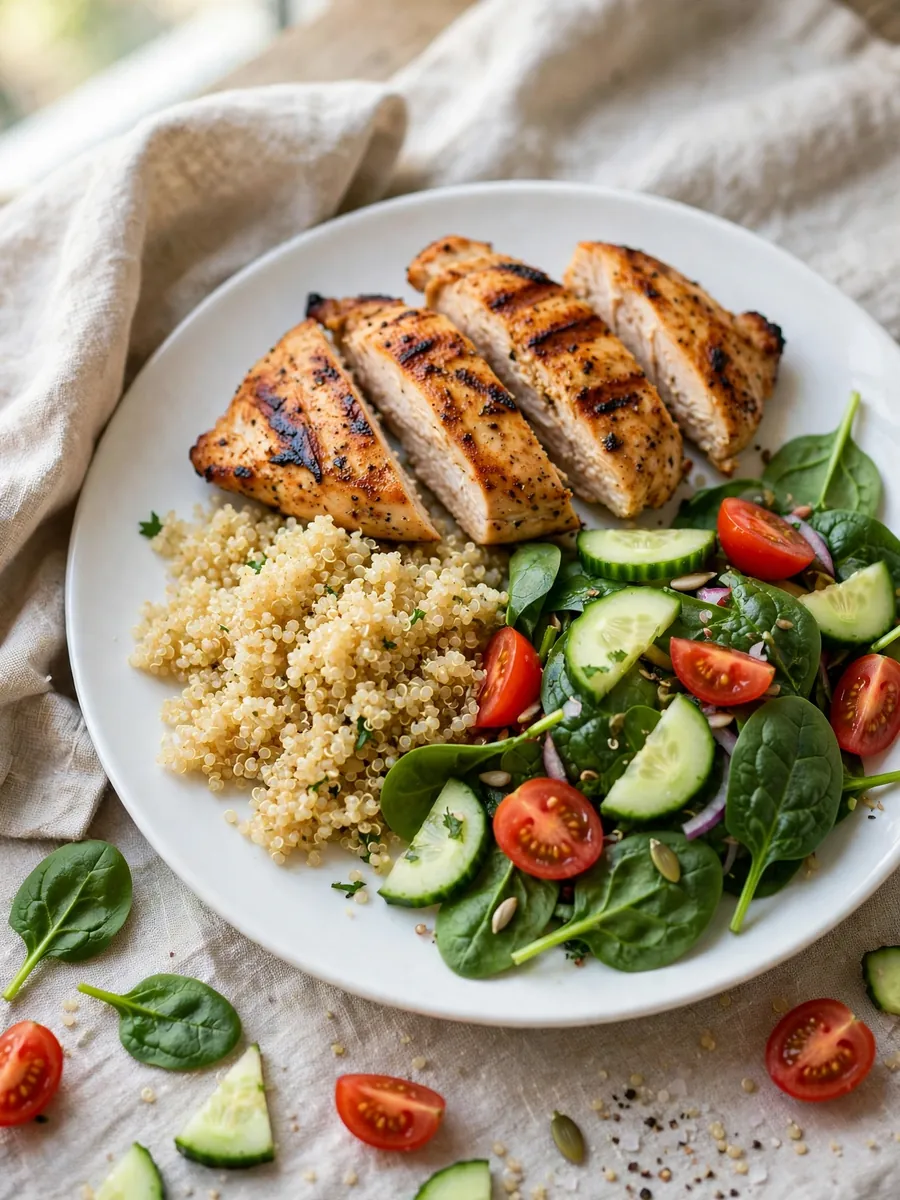
People who live with POTS often talk about three food related patterns: staying hydrated, getting enough salt when their clinician supports it, and eating in a way that keeps energy steadier through the day. Broth based soups, electrolyte rich drinks, salty foods such as olives and feta, and water rich foods such as cucumber and fruit all contribute fluid as well as flavor. Protein from chicken, fish, eggs, beans, and yogurt helps meals feel more filling, while complex carbohydrates from quinoa, sweet potato, and whole grains digest more slowly than refined grains and sugary snacks.
Meal size and timing matter too. Large, heavy meals can leave some people feeling worse afterward, so smaller, more frequent meals are a common strategy. That might mean a smoothie in the morning, soup at lunch, a salad or parfait in the afternoon, and a balanced dinner, rather than three very large meals. Keep water or an electrolyte drink nearby through the day, and keep a few ready to eat salty snacks on hand, such as olives, cheese, salted nuts, or pickles, if they suit you.
It also helps to plan for low energy days. Cook a double batch of soup or chili and freeze half. Keep cooked quinoa, canned beans, frozen vegetables, and Greek yogurt in the house. On a day when standing for long feels hard, a parfait, a smoothie, or reheated soup is still a real meal, and that is enough.
Recipes for People with POTS
The ten recipes below cover breakfast, lunch, dinner, snacks, and drinks. Start with the ones that sound easiest to you, then build a short rotation of four or five favorites. If you want more gentle, easy to digest meal ideas, these liquid diet recipes are a useful companion list.
Recipe 1: High Sodium Chicken Soup
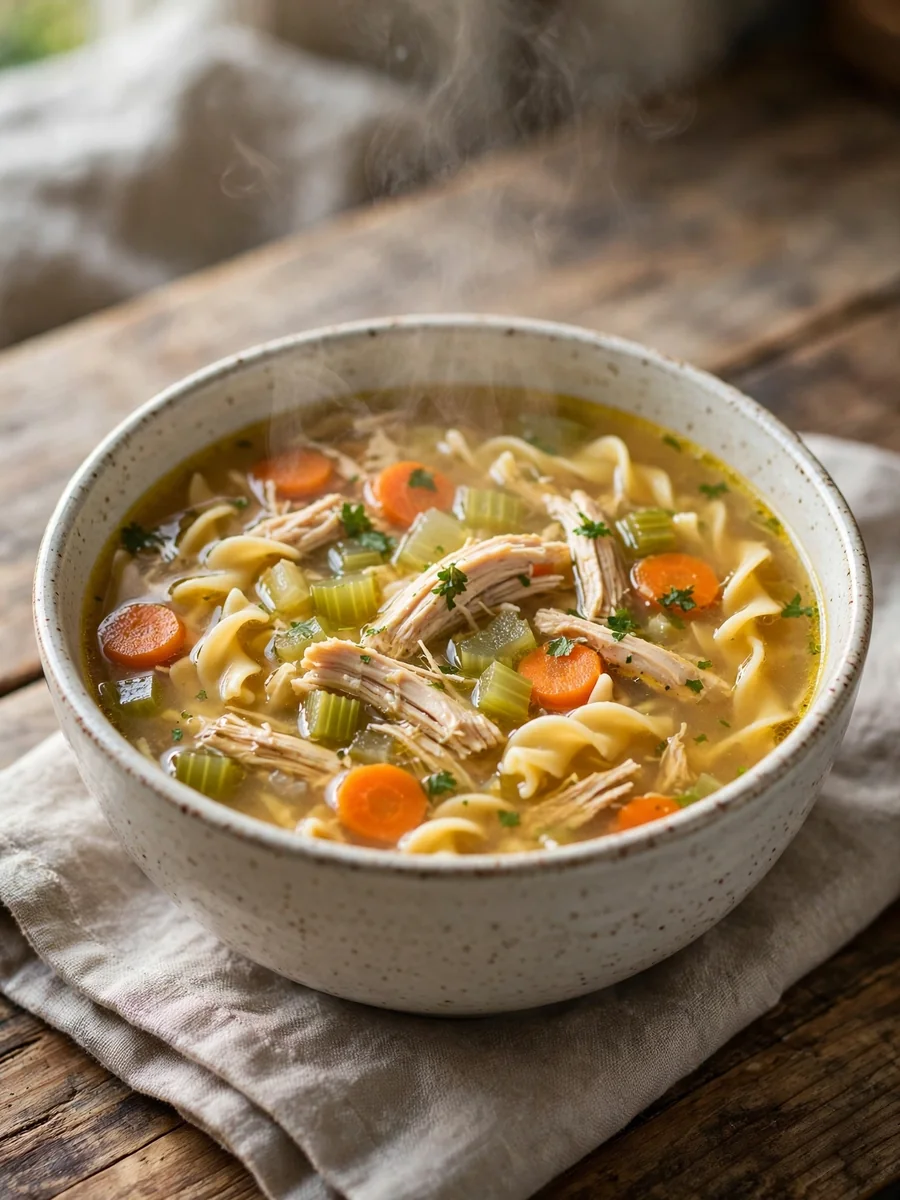
This is the kind of soup to make on a Sunday and eat for days. The salty broth, lean chicken, and soft vegetables make it comforting and easy to digest, and it reheats well for lunch. Serve it with crackers or a slice of sourdough bread with celtic salt if you want a heartier meal.
Prep time: 15 minutes
Cook time: 40 minutes
Serves: 4
Ingredients
- 2 chicken breasts, boneless and skinless
- 4 cups low sodium chicken broth, plus sea salt to taste
- 2 carrots, sliced
- 1 celery stalk, diced
- 1 onion, chopped
- 2 cloves garlic, minced
- 1 teaspoon garlic powder
- 1 teaspoon sea salt, or more to taste
- 1/2 teaspoon black pepper
- 1 cup egg noodles or cooked quinoa, optional
- 1 tablespoon olive oil
Instructions
- Heat the olive oil in a large saucepan over medium heat. Cook the celery, onion, carrots, and garlic for 5 to 7 minutes, until soft and fragrant.
- Add the chicken breasts and broth, bring to a boil, then lower the heat and simmer for about 20 minutes, until the chicken is cooked through.
- Lift the chicken out, shred it with two forks, and return it to the pot.
- Add the noodles or quinoa and simmer until tender.
- Season with garlic powder, sea salt, and black pepper, then serve hot.
Nutritional Information
- Calories: about 320 per serving
- Protein: about 30g
- Sodium: about 950mg, depending on added salt
- Carbohydrates: about 25g
- Fat: about 8g
Why This Helps for POTS
Soup delivers fluid and salt together, which is a practical combination for people who need both. Chicken adds lean protein, and the vegetables add fiber and flavor without making the meal heavy. Variation: swap the noodles for rice, add a handful of spinach at the end, or stir in a squeeze of lemon for brightness.
Recipe 2: Quinoa Salad with Feta and Olives
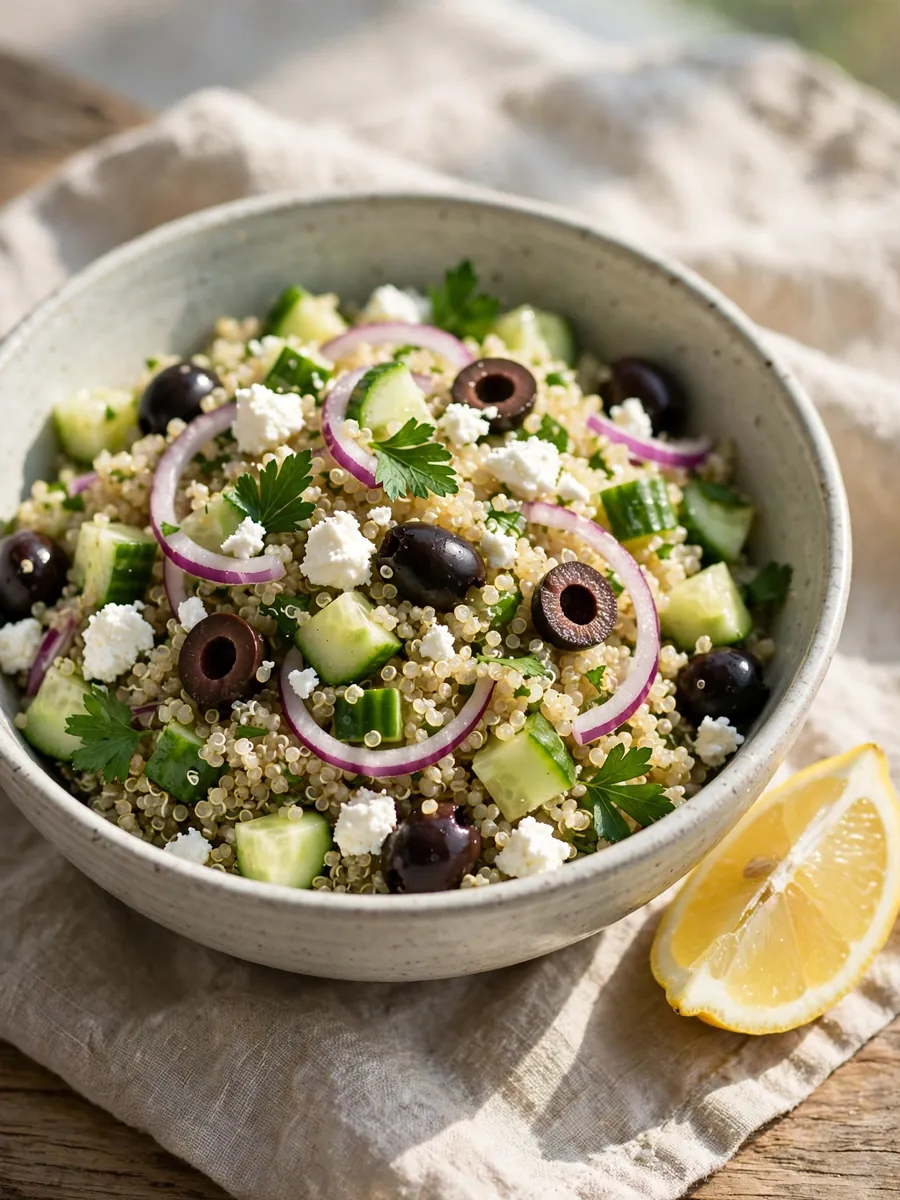
This cold salad is a strong lunchbox option. Quinoa holds up well in the fridge, feta and olives bring salt and savory flavor, and cucumber keeps the salad fresh. Make a full batch, chill it, and eat it over two or three days.
Prep time: 15 minutes
Cook time: 15 minutes
Serves: 4
Ingredients
- 1 cup quinoa, uncooked
- 1/2 cup feta cheese, crumbled
- 1/2 cup black olives, sliced
- 1/2 cup cucumber, diced
- 1/4 cup red onion, finely chopped
- 2 tablespoons olive oil
- 1 tablespoon lemon juice
- 1/2 teaspoon sea salt
- 1/4 teaspoon black pepper
- 1/4 teaspoon dried oregano
Instructions
- Cook the quinoa by the package directions, then let it cool completely.
- Combine the cooled quinoa, feta, olives, cucumber, and red onion in a large bowl.
- Drizzle with olive oil and lemon juice, then toss to coat.
- Season with sea salt, black pepper, and oregano, and stir well.
- Chill for at least 30 minutes before serving.
Nutritional Information
- Calories: about 320 per serving
- Protein: about 10g
- Sodium: about 800mg, depending on feta and olives
- Carbohydrates: about 36g
- Fat: about 18g
Why This Helps for POTS
Quinoa is a complete protein and a complex carbohydrate, so it gives steady energy without a heavy feeling. Olives and feta contribute salt, which many people with POTS deliberately include when their clinician supports it. Variation: add chickpeas for more protein, or chopped tomato and parsley for a brighter version.
Recipe 3: Electrolyte Rich Smoothie
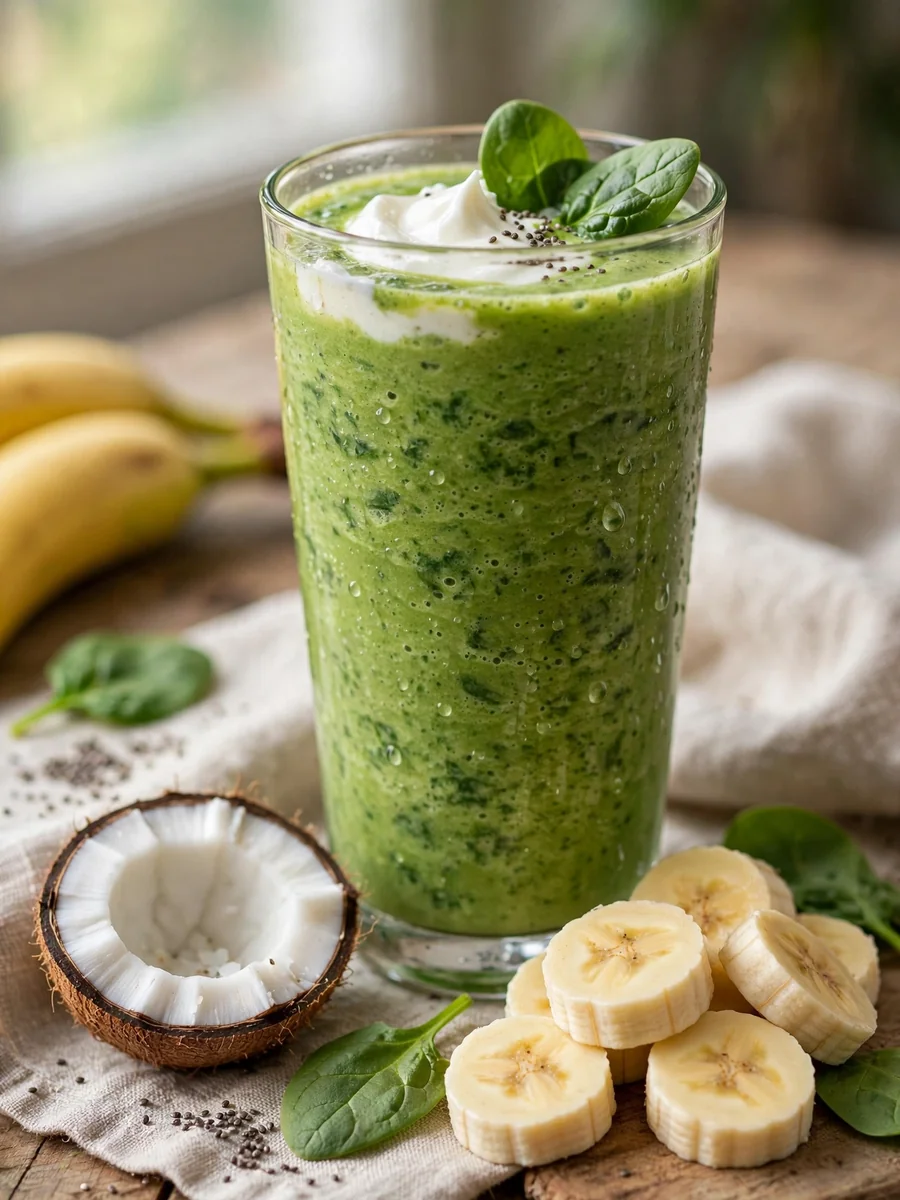
When a full meal feels like too much, a smoothie is a good middle step. Coconut water, banana, and spinach cover potassium and fluid, Greek yogurt adds protein, and a pinch of salt rounds out the flavor. For another hydrating drink idea, try this hydrating coconut water drink on hot days.
Prep time: 5 minutes
Cook time: 0 minutes
Serves: 1
Ingredients
- 1 ripe banana
- 1/2 cup spinach, fresh or frozen
- 1 cup coconut water
- 1/2 cup Greek yogurt
- 1 tablespoon honey, optional
- 1/2 teaspoon sea salt
- 1/2 cup ice cubes, optional
Instructions
- Place all ingredients in a blender.
- Blend until smooth and creamy, adding a splash more coconut water if needed.
- Pour into a glass and drink right away.
Nutritional Information
- Calories: about 250 per serving
- Protein: about 10g
- Sodium: about 450mg
- Carbohydrates: about 35g
- Fat: about 2g
Why This Helps for POTS
This drink is mostly fluid, so it suits mornings when appetite is low. Banana supplies potassium, coconut water supplies fluid and electrolytes, and yogurt keeps the smoothie from being just sugar and water. Variation: add a tablespoon of nut butter, frozen berries, or a scoop of oats for a thicker, more filling version.
Recipe 4: Salmon with Sweet Potato and Spinach
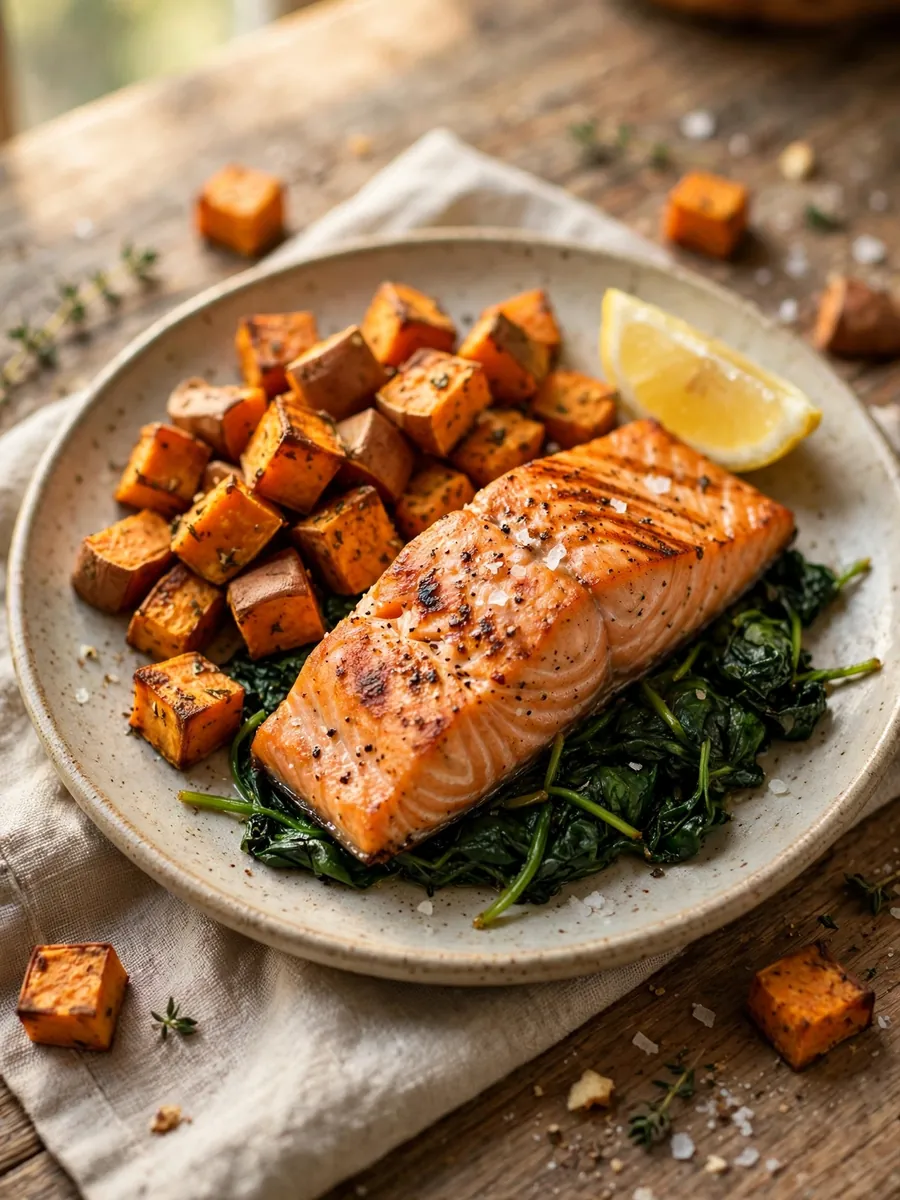
This is a balanced dinner that still comes together in under 40 minutes. Roast the sweet potatoes while you cook the salmon, then wilt the spinach in the same pan. The result is colorful, filling, and easy to portion for leftovers.
Prep time: 10 minutes
Cook time: 25 minutes
Serves: 2
Ingredients
- 2 salmon fillets
- 2 medium sweet potatoes, peeled and cubed
- 2 cups fresh spinach
- 1 tablespoon olive oil
- 1 tablespoon garlic powder
- 1 teaspoon sea salt
- 1/2 teaspoon black pepper
- 1/2 teaspoon smoked paprika
- 1 tablespoon lemon juice
Instructions
- Heat the oven to 400 degrees F. Toss the sweet potatoes with olive oil, sea salt, black pepper, and garlic powder, spread on a baking sheet, and roast for 20 to 25 minutes, until tender.
- Season the salmon with sea salt, black pepper, and smoked paprika.
- Cook the salmon in a medium hot pan for 4 to 5 minutes per side, until just cooked through.
- Add the spinach to the pan in the last minute and stir until wilted.
- Serve the salmon with sweet potatoes and spinach, finished with lemon juice.
Nutritional Information
- Calories: about 450 per serving
- Protein: about 40g
- Sodium: about 650mg, depending on added salt
- Carbohydrates: about 35g
- Fat: about 20g
Why This Helps for POTS
Salmon provides protein and omega 3 fats, sweet potato provides potassium and complex carbohydrates, and spinach adds magnesium and folate. Together they make a meal that feels substantial without being heavy. Meal idea: cook extra sweet potatoes and use them the next day in a salad or a breakfast hash with eggs.
Recipe 5: Chickpea and Avocado Salad
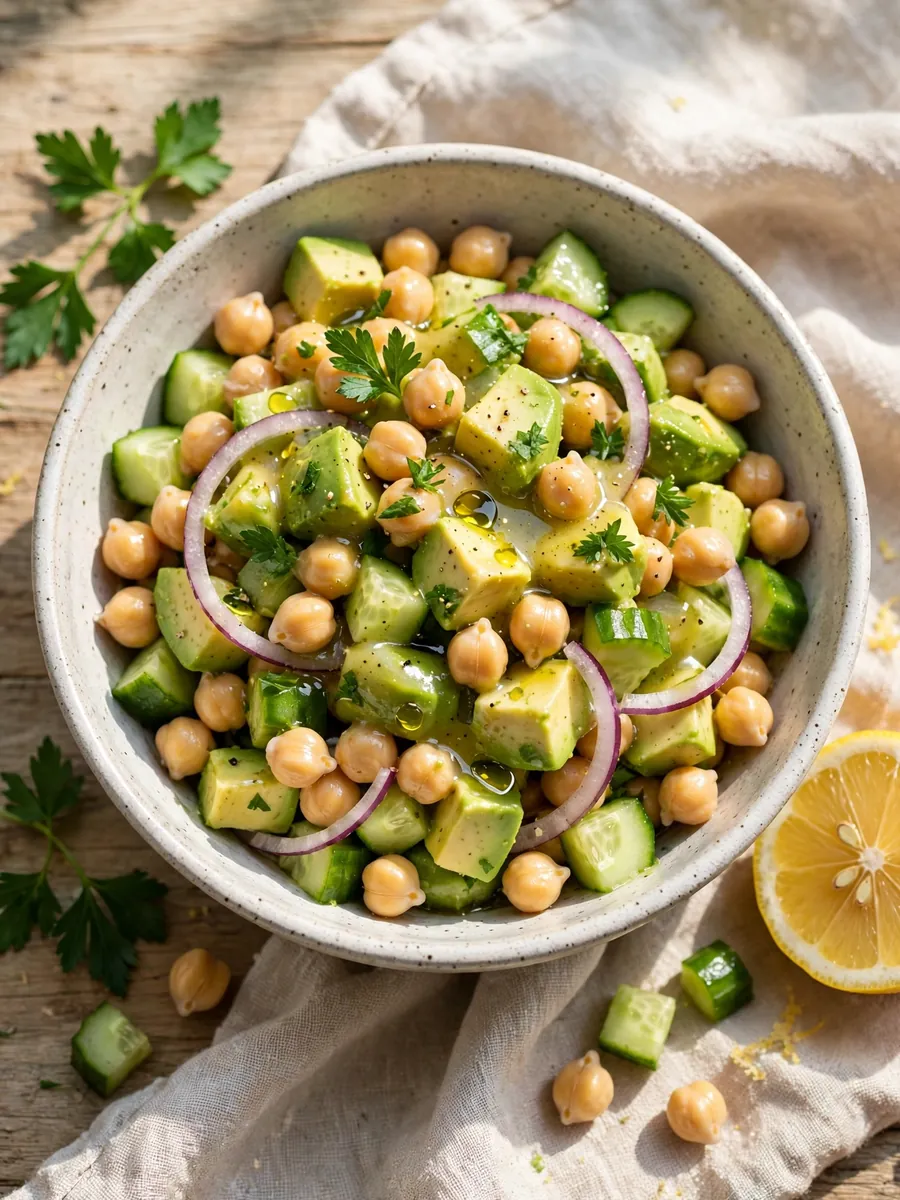
This no cook salad is ready in ten minutes, which makes it ideal for lunch on a busy day. Chickpeas add fiber and plant protein, avocado adds creamy texture and healthy fats, and lemon keeps the whole bowl bright.
Prep time: 10 minutes
Cook time: 0 minutes
Serves: 2
Ingredients
- 1 can chickpeas, drained and rinsed
- 1 ripe avocado, diced
- 1/2 red onion, finely chopped
- 1/2 cucumber, diced
- 1 tablespoon olive oil
- 1 tablespoon lemon juice
- 1/2 teaspoon sea salt
- 1/4 teaspoon black pepper
- 1 tablespoon fresh parsley, chopped
Instructions
- Combine the chickpeas, avocado, red onion, and cucumber in a large bowl.
- Drizzle with olive oil and lemon juice, then toss gently.
- Season with sea salt, black pepper, and parsley.
- Serve right away, or chill for 30 minutes to let the flavors blend.
Nutritional Information
- Calories: about 350 per serving
- Protein: about 10g
- Sodium: about 500mg, depending on added salt
- Carbohydrates: about 30g
- Fat: about 25g
Why This Helps for POTS
Fiber from chickpeas helps the meal digest at a steadier pace, and the fats in avocado help it feel satisfying. It also travels well, so pack it for work or a clinic visit. Variation: mash half the chickpeas for a chunky spread, and serve on toast or crackers with extra salt to taste.
Recipe 6: Banana and Almond Butter Smoothie
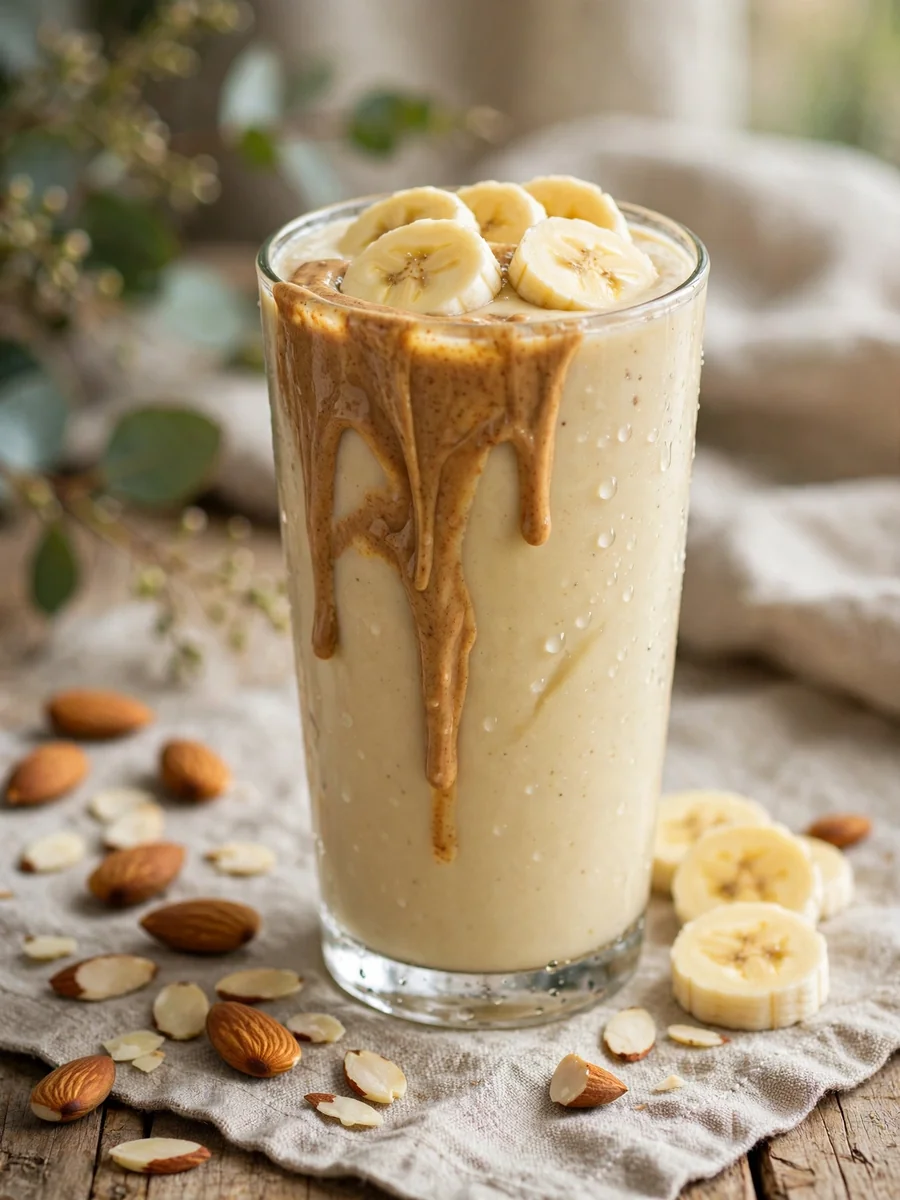
This smoothie tastes like dessert but works as breakfast. Banana and almond butter give potassium, protein, and healthy fats, while almond milk keeps it light. It is also a good option before a morning appointment, when you want something quick and easy to carry.
Prep time: 5 minutes
Cook time: 0 minutes
Serves: 1
Ingredients
- 1 ripe banana
- 2 tablespoons almond butter
- 1 cup unsweetened almond milk, or milk of choice
- 1 tablespoon honey or maple syrup, optional
- 1/2 teaspoon vanilla extract
- 1/4 teaspoon cinnamon, optional
- Ice cubes, optional
Instructions
- Combine the banana, almond butter, almond milk, and optional ingredients in a blender.
- Blend until smooth, adding ice for a thicker texture if you like.
- Pour into a glass and serve right away.
Nutritional Information
- Calories: about 350 per serving
- Protein: about 8g
- Sodium: about 150mg, depending on milk and almond butter
- Carbohydrates: about 40g
- Fat: about 18g
Why This Helps for POTS
Potassium from banana and steady energy from almond butter make this a useful morning drink, especially paired with a glass of water or an electrolyte drink. Variation: add a handful of spinach, a tablespoon of oats, or a pinch of sea salt to taste.
Recipe 7: Veggie Packed Frittata
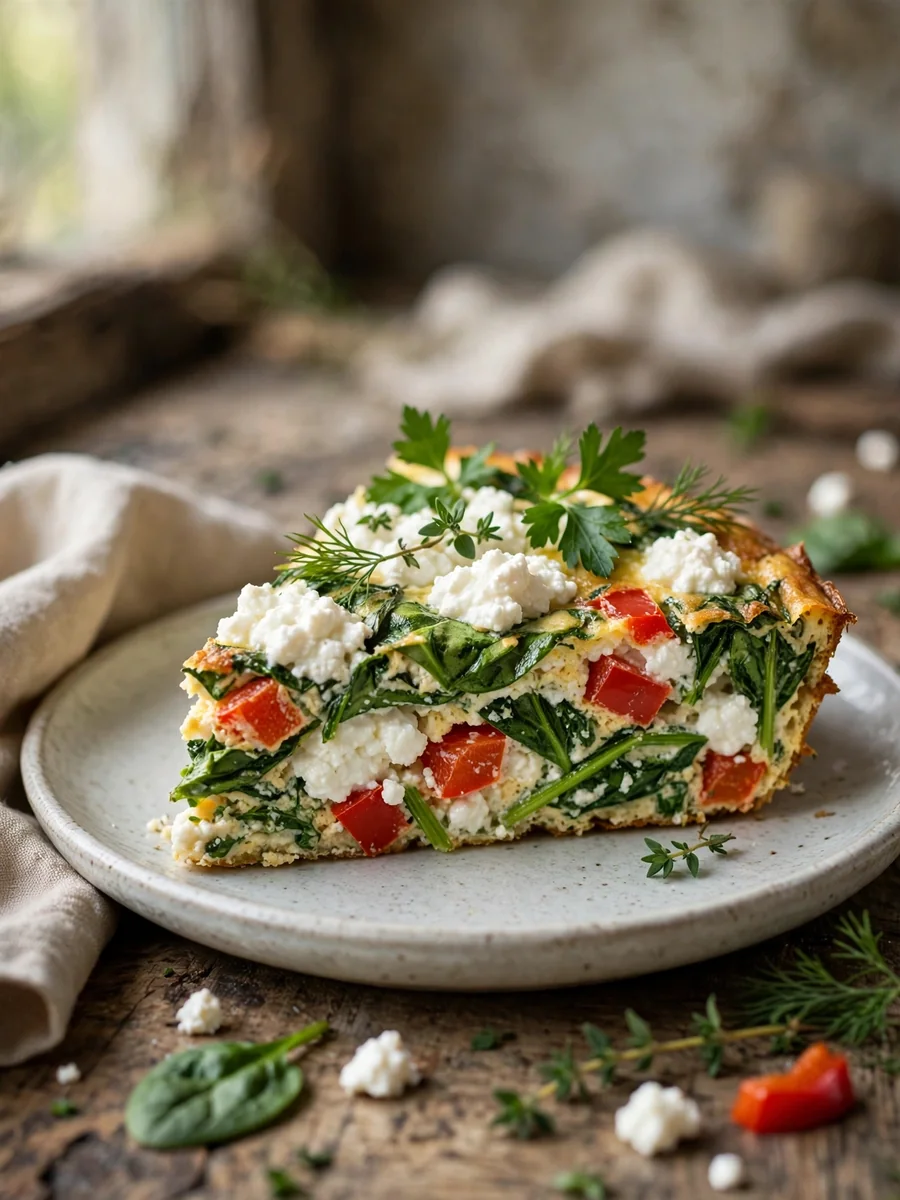
A frittata is one of the most flexible meals in this list. It works for breakfast, lunch, or dinner, it uses up vegetables in the fridge, and slices keep well for two days. Cottage cheese keeps it moist and adds extra protein and salt.
Prep time: 10 minutes
Cook time: 20 minutes
Serves: 4
Ingredients
- 6 large eggs
- 1/2 cup cottage cheese
- 1 cup spinach, chopped
- 1/2 cup bell pepper, diced
- 1/4 cup red onion, chopped
- 1 tablespoon olive oil
- 1 teaspoon garlic powder
- 1 teaspoon sea salt
- 1/4 teaspoon black pepper
- Fresh herbs, optional, for garnish
Instructions
- Heat the oven to 375 degrees F.
- Heat the olive oil in an oven safe skillet over medium heat. Cook the red onion, bell pepper, and spinach for about 5 minutes, until tender.
- Whisk the eggs, cottage cheese, sea salt, black pepper, and garlic powder in a bowl.
- Pour the egg mixture over the vegetables. Cook for 5 to 7 minutes, stirring once or twice, until the edges start to set.
- Transfer the pan to the oven and bake for 12 to 15 minutes, until the top is firm and lightly golden.
- Slice and serve, with fresh herbs if you like.
Nutritional Information
- Calories: about 280 per serving
- Protein: about 22g
- Sodium: about 600mg, depending on added salt
- Carbohydrates: about 10g
- Fat: about 18g
Why This Helps for POTS
Eggs and cottage cheese give high quality protein in a small, easy portion, while vegetables add vitamins and minerals. A slice with toast and fruit makes a complete, balanced meal. Meal idea: bake it on Sunday, then eat slices cold or reheated for weekday breakfasts.
Recipe 8: Hydrating Cucumber and Mint Water
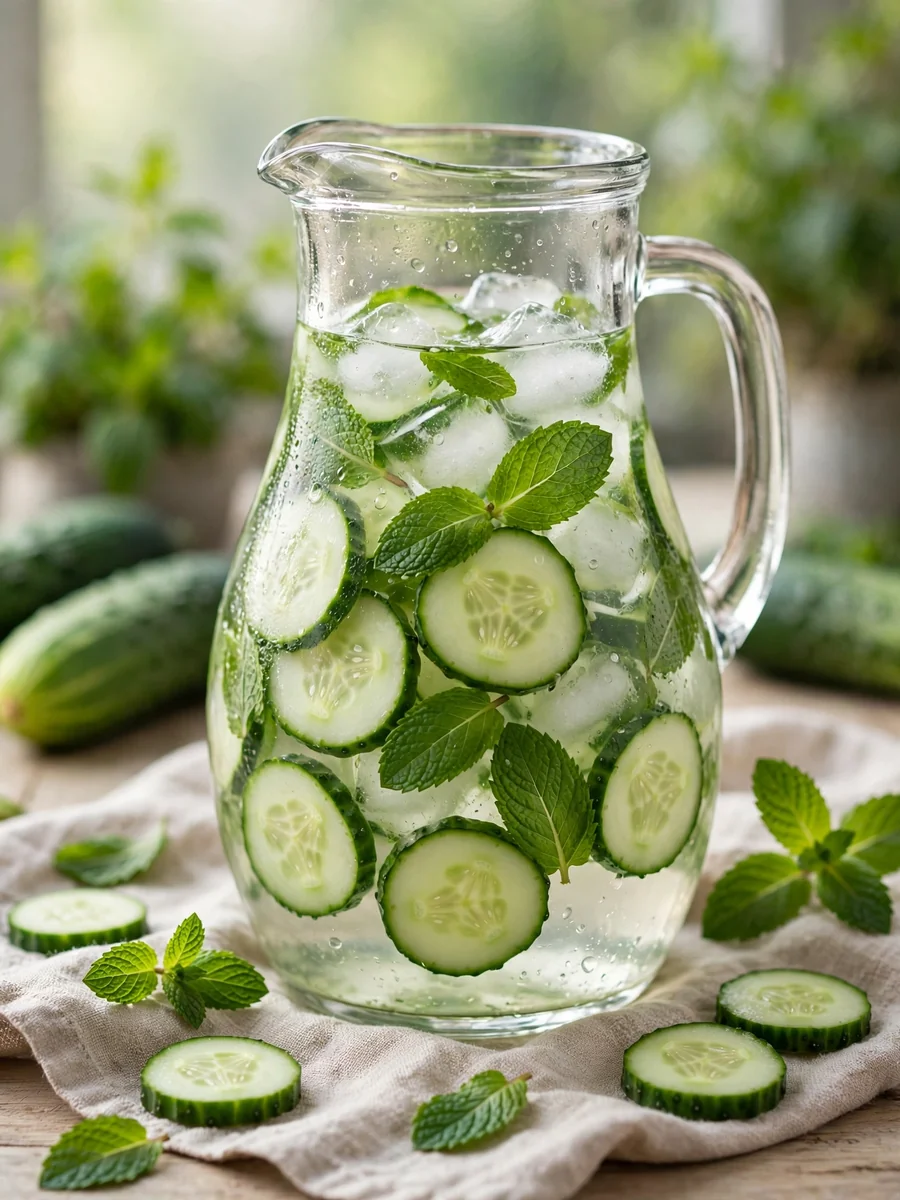
Plain water is sometimes hard to drink in large amounts, and this infused water solves that problem without sugar. Cucumber adds a clean, cool flavor, mint adds freshness, and a full pitcher in the fridge makes it easy to refill a glass through the day.
Prep time: 5 minutes, plus 30 minutes chilling
Cook time: 0 minutes
Serves: 4
Ingredients
- 1/2 cucumber, thinly sliced
- 1/4 cup fresh mint leaves
- 4 cups water
- Ice cubes, optional
Instructions
- Place the cucumber slices and mint leaves in a large pitcher.
- Add the water and stir gently.
- Chill in the fridge for at least 30 minutes, so the flavors infuse.
- Serve over ice.
Nutritional Information
- Calories: about 10 per serving
- Sodium: about 10mg
- Carbohydrates: about 2g
- Fat: 0g
Why This Helps for POTS
Fluid intake is the foundation of most POTS nutrition advice, and a drink you actually enjoy is easier to keep up. Variation: add lemon slices, orange slices, or a pinch of sea salt to taste, and refill the pitcher once before replacing the cucumber and mint.
Recipe 9: High Protein Turkey Chili
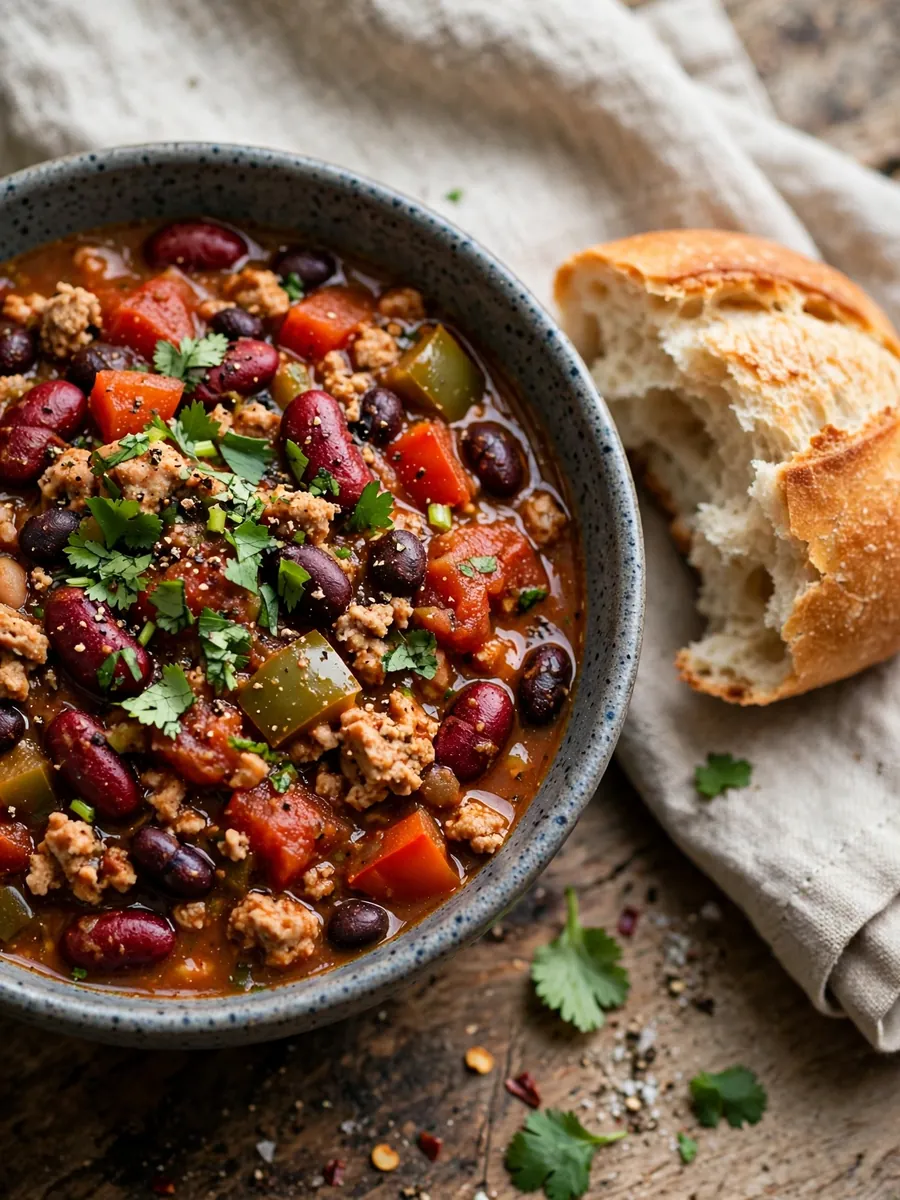
Chili is a freezer friendly staple. Lean turkey and two kinds of beans give protein and fiber, tomatoes and spices give depth, and a pot lasts for several meals. It also scales well, so double it when you have the energy to cook.
Prep time: 15 minutes
Cook time: 30 minutes
Serves: 6
Ingredients
- 1 lb lean ground turkey
- 1 can (15 oz) kidney beans, drained and rinsed
- 1 can (15 oz) black beans, drained and rinsed
- 1 can (14 oz) diced tomatoes
- 1 onion, chopped
- 1 bell pepper, diced
- 2 cloves garlic, minced
- 1 tablespoon olive oil
- 1 tablespoon chili powder
- 1 teaspoon sea salt
- 1/2 teaspoon cumin
- 1/4 teaspoon black pepper
- 1/2 teaspoon paprika
- 1/4 teaspoon cayenne pepper, optional
Instructions
- Heat the olive oil in a large saucepan over medium heat. Cook the garlic, bell pepper, and onion until tender.
- Add the ground turkey and cook, breaking it up with a spoon, until browned.
- Stir in the chili powder, sea salt, cumin, black pepper, paprika, and cayenne, and cook for one minute more.
- Add the tomatoes, kidney beans, and black beans. Stir, cover, and simmer for 25 to 30 minutes.
- Serve hot.
Nutritional Information
- Calories: about 400 per serving
- Protein: about 40g
- Sodium: about 800mg, depending on added salt and beans
- Carbohydrates: about 35g
- Fat: about 15g
Why This Helps for POTS
Protein and fiber together keep this meal filling for hours, which helps when you are trying to eat smaller meals more often rather than one very large dinner. Serve it with rice, cornbread, or a baked potato, and top with cheese or sour cream if you like. If you follow a lower carb pattern, a ketovore diet food list can help you compare which animal based foods fit your own plan, while this chili itself stays a bean based option for other days.
Recipe 10: Greek Yogurt Parfait with Berries and Nuts
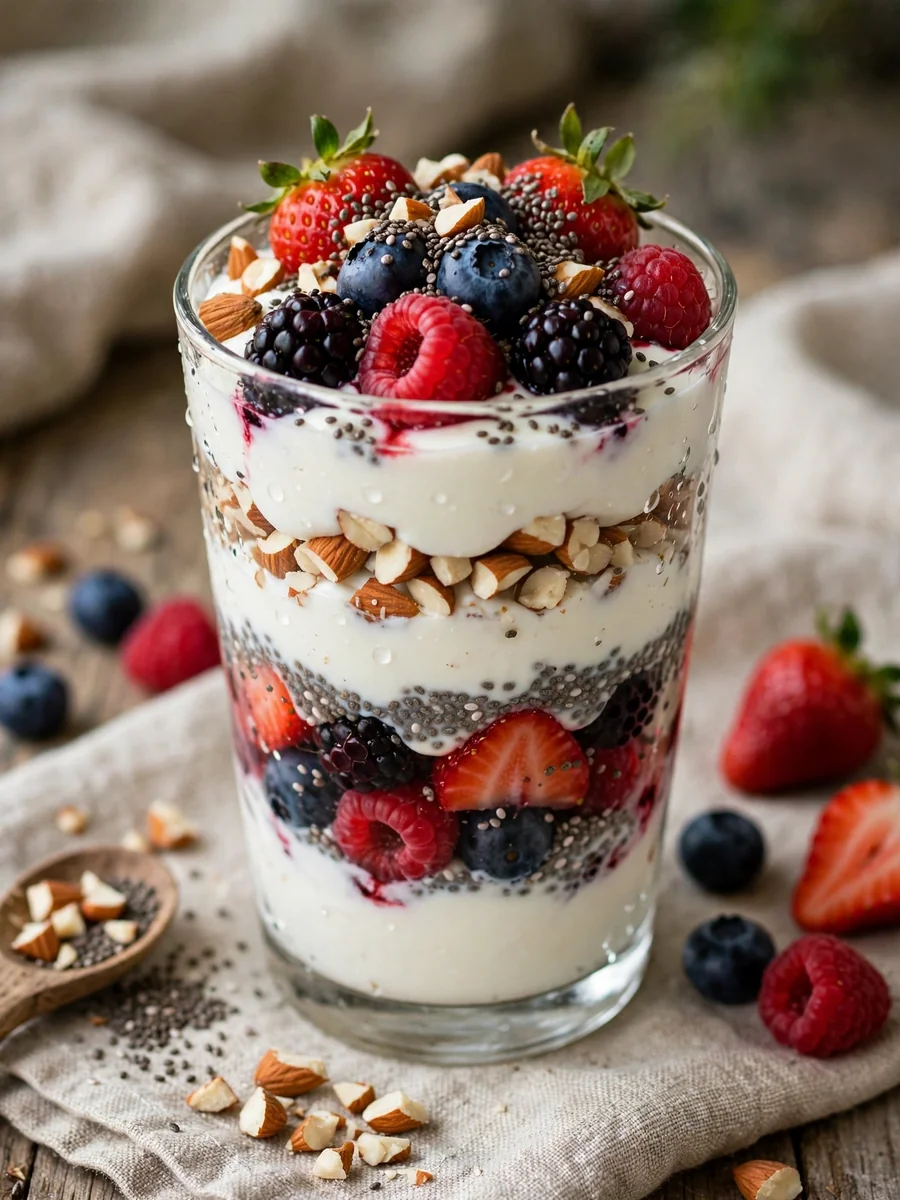
This parfait takes five minutes and needs no cooking, which makes it perfect for a snack, a light breakfast, or a dessert that still feels balanced. Greek yogurt gives protein, berries give antioxidants and natural sweetness, and nuts and chia seeds add crunch and healthy fats.
Prep time: 5 minutes
Cook time: 0 minutes
Serves: 1
Ingredients
- 1 cup Greek yogurt, plain and unsweetened
- 1/2 cup mixed berries, such as blueberries, strawberries, and raspberries
- 1/4 cup almonds or walnuts, chopped
- 1 tablespoon honey or maple syrup, optional
- 1 tablespoon chia seeds, optional
- 1/4 teaspoon cinnamon, optional
Instructions
- Layer the Greek yogurt and berries in a bowl or jar.
- Top with chopped nuts, and drizzle with honey or maple syrup if you like.
- Sprinkle with chia seeds and cinnamon.
- Serve right away, or chill for up to 24 hours for a grab and go meal.
Nutritional Information
- Calories: about 300 per serving
- Protein: about 20g
- Sodium: about 100mg, depending on yogurt brand
- Carbohydrates: about 30g
- Fat: about 15g
Why This Helps for POTS
Yogurt supports gut health and gives a solid protein base, while berries and nuts round out the meal without cooking or heavy prep. It also pairs well with a salty snack on the side, such as olives or salted nuts, if you want more salt in that meal. Meal idea: prep three jars on Sunday night, then grab one each morning.
Tips for Managing POTS with Diet
Importance of Hydration
Keep fluids visible and easy to reach. A pitcher of infused water, a bottle of electrolyte drink, and a glass by your bed can all help you drink more through the day without thinking about it. Soups, smoothies, and water rich foods count toward fluid too, so they are useful on days when plain water feels hard.
Balancing Electrolytes
Sodium, potassium, and magnesium work together in the body. In food terms, that means a mix of salty foods, bananas and sweet potatoes, leafy greens, nuts, and seeds, rather than one single superfood. Salted foods such as pickles, olives, cheese, and broth are common choices, but check with your clinician about the right level for you.
High Sodium Foods
Soups, cheese, olives, pickles, salted nuts, and soy sauce are all easy ways to add salt to meals. Add salt during cooking rather than only at the table, so the flavor spreads through the dish, and taste as you go. If you have kidney disease or another condition that limits salt, this advice does not apply in the same way, so get personal guidance first.
Avoiding Triggers
Many people find that very sugary foods, large refined carbohydrate meals, alcohol, and heavy processed meals leave them feeling worse afterward. That does not mean you must avoid every treat, but building most meals around whole grains, lean protein, vegetables, and healthy fats tends to keep energy steadier. Notice your own patterns, and keep notes if a particular food or meal size consistently causes trouble.
Summary of Key Tips
- Eat electrolyte rich meals and stay hydrated through the day.
- Add foods rich in sodium, such as sea salt, pickles, and cottage cheese, only at a level your clinician supports.
- Build meals around protein, healthy fats, and complex carbohydrates.
- Limit refined carbohydrates, processed foods, and added sugar where you can.
- Talk to your healthcare provider or registered dietitian to tailor a POTS friendly diet to your own needs.
Small, steady changes usually work better than a sudden overhaul. Pick two or three recipes from this list, stock the ingredients, and repeat them until they feel easy. Then add a new recipe when you are ready.
Conclusion
Good food for people with POTS is rarely about one perfect meal. It is about a pattern: enough fluid, enough salt when your clinician supports it, enough protein, and meals that are easy to repeat on good days and bad days. The ten recipes here give you that pattern in practical form, from a warming chicken soup to a five minute parfait.
Start with the recipes that fit your pantry and your energy today, and build from there. For general background on the condition, this guide on POTS symptoms naturally from Cleveland Clinic is a useful read, and your own clinician remains the best source for advice about your individual diet.
FAQs
Are eggs good for POTS?
Yes, for those with POTS, eggs are a fantastic alternative. Because of their high protein content, they help sustain energy levels and blood sugar levels throughout the day. Additionally, eggs are rich in nutrients, including vital vitamins like vitamin B12 and D, which are critical for general health. Including eggs in meals may help maintain muscle and heart health, which is important for controlling the symptoms of POTS.
What can worsen POTS syndrome?
POTS syndrome may be exacerbated by several things, such as dehydration, prolonged standing, extreme heat, and inadequate sleep. Fatigue may worsen as a result of blood sugar spikes and crashes brought on by certain diets, such as those heavy in refined carbohydrates or added sugar. Additionally, stress and inactivity might exacerbate symptoms. A healthcare professional should always be consulted when managing symptoms or altering one's diet.
Do people with POTS lose weight easier?
Although it may not be easier for POTS patients to lose weight, many of them have difficulty maintaining a healthy weight because of symptoms including nausea, low appetite, and exhaustion. Additionally, gastrointestinal issues may make it more difficult for some people to ingest adequate calories. To promote general health, it's important to have a balanced diet and concentrate on nutrient-dense meals.
What to avoid eating with POTS?
It is advised to stay away from meals like refined sugars and processed foods rich in carbohydrates that might induce blood sugar rises and crashes. Alcohol and caffeine may also cause dehydration and exacerbate symptoms of POTS. Another trigger is fast food, which is often heavy in salt and bad fats. It's also critical to avoid other food sensitivities including gluten (for those who have a gluten sensitivity).
Does walking help POTS?
Indeed, walking may help those who have POTS. Frequent, low-impact exercise strengthens the cardiovascular system, improves blood circulation, and raises blood volume, all of which may help control the symptoms of POTS. To avoid overexerting oneself, it's crucial to begin carefully and gradually increase the length of your walks.
Do bananas help POTS?
Because of its high potassium content, which aids in maintaining electrolyte balance, bananas may be beneficial for those with POTS. Potassium helps control blood pressure and is necessary for healthy heart and muscle function. Keeping electrolyte balance is essential for POTS sufferers to manage symptoms like tiredness and lightheadedness.
What drink is good for POTS?
For those with POTS, electrolyte-rich beverages are ideal. Coconut water or sports drinks may aid in restoring electrolytes that have been depleted. To stay hydrated and boost blood volume, you may also consume water, herbal teas, and electrolyte-rich beverages like electrolyte powders or sugar-free electrolyte drinks. Steer clear of sugary or caffeinated beverages since these might cause dehydration.
Is POTS a disability?
Depending on how severe the symptoms are and how they affect day-to-day functioning, POTS may qualify as a handicap. Dizziness, low blood pressure, exhaustion, and orthostatic intolerance are some of the symptoms of POTS, which affect the autonomic nervous system and may make it difficult for a person to work or carry out daily duties. POTS may be considered a handicap under certain medical circumstances or employment adjustments if its symptoms are incapacitating.
How do I cure my POTS naturally?
Although there isn't a treatment for POTS, it may be managed naturally by changing one's diet and lifestyle. Increasing salt consumption (under a doctor's supervision), drinking plenty of water, and eating foods high in electrolytes may all help control symptoms. Frequent exercise, particularly low-impact aerobic and strength training, may also increase blood flow and lessen POTS symptoms. It's critical to collaborate with a registered dietitian or healthcare professional to develop a customized symptom management strategy.

Some truly nice stuff on this website , I like it.